Parliament Speaker and French Ambassador Discuss Yemen’s Economy
 Yemen Herald News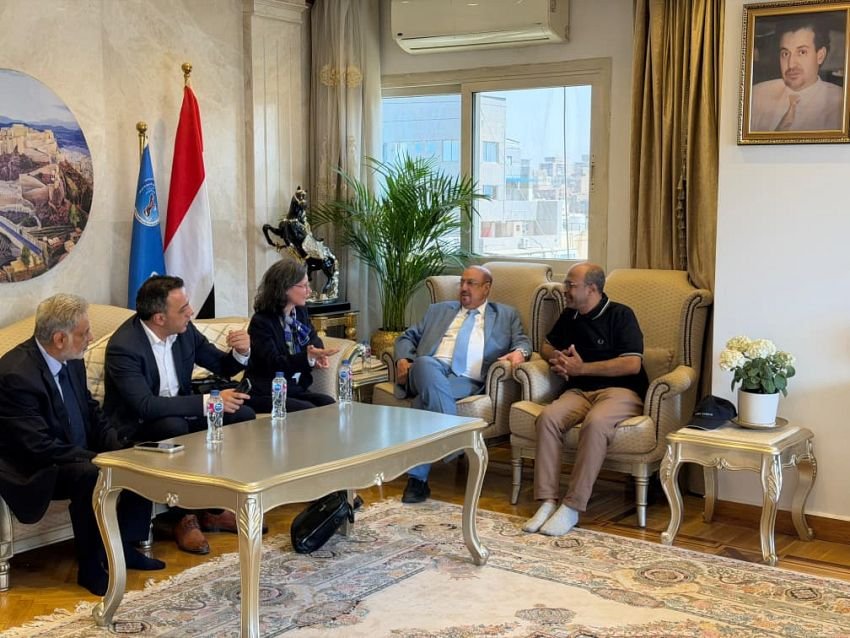
Yemen’s Parliament Speaker and the French ambassador have discussed economic recovery and cooperation, in talks that underscored the challenges facing the country’s economy and the importance of international support in addressing them. The discussions highlighted the need for cooperation and strategic partnerships to help stabilise a nation grappling with severe economic pressures.
Yemen has been embroiled in conflict since 2015, in a war that has produced one of the world’s worst humanitarian crises and crippled the economy. Oil and gas exports, historically the backbone of the country’s revenue, have plummeted amid the hostilities, deepening the fiscal pressures facing the government and the hardship facing the population.
The decline in oil and gas exports has had profound consequences for Yemen’s public finances. These exports were once a principal source of government revenue, and their disruption has sharply reduced the resources available to the state, complicating its efforts to sustain services, pay salaries and manage the economy.
The international community has watched the deterioration of Yemen’s economic situation with concern, and the meeting reflected the calls for renewed diplomatic efforts and economic support. Engagement between Yemeni officials and international partners such as France is part of the broader effort to mobilise support for the country’s recovery.
The engagement of the Parliament Speaker in economic diplomacy reflects the involvement of the legislature in the country’s international relations. Beyond the executive, parliamentary figures can play a role in cultivating relationships and advancing the country’s interests, and the Speaker’s discussions with the French ambassador reflect this dimension of engagement.
France has been among the international partners engaged with Yemen, contributing to humanitarian and other efforts and maintaining diplomatic engagement with the country. Its involvement in discussions on economic recovery reflects the interest of international partners in supporting Yemen’s stability and in addressing the economic challenges facing the country.
The severe economic challenges facing Yemen encompass the collapse of revenues, the depreciation of the currency and the strain on public finances. These interlocking pressures have deepened the humanitarian crisis, and addressing them requires both domestic reform and the support of international partners, making economic cooperation a priority for the government.
The need for international cooperation, emphasised in the discussions, reflects the reliance of Yemen on external support. With its own resources severely constrained, the government depends on the assistance of partners to sustain its finances and services and to advance recovery, and cultivating such support is a continual priority.
Strategic partnerships, cited as important to stabilising the country, encompass the relationships through which Yemen seeks support and cooperation. Building and strengthening ties with partners such as France can provide resources, expertise and diplomatic backing, contributing to the country’s efforts to address its challenges and to advance recovery.
The stabilisation of the economy is central to Yemen’s prospects. The economic crisis feeds the humanitarian emergency, and reviving the economy is essential both to relieving hardship and to building the foundations for stability, making economic recovery a central concern for the government and its partners.
The disruption of oil and gas exports underscores the vulnerability of Yemen’s economy to the effects of the conflict. The dependence on these exports for revenue left the state exposed to their disruption, and the resulting loss of income has been among the most damaging economic consequences of the war.
The role of diplomacy in advancing economic recovery reflects the importance of international relationships to Yemen’s prospects. Cultivating support, mobilising assistance and building partnerships are central to the country’s efforts, and engagements such as the meeting with the French ambassador form part of this broader diplomatic effort.
The concern of the international community over Yemen’s situation reflects both humanitarian considerations and interests in the stability of the country and the region. This concern has prompted calls for support and engagement, and the involvement of partners such as France reflects the international dimension of the response to Yemen’s challenges.
Realising the cooperation discussed will depend on a range of factors, including the trajectory of the conflict and the priorities of partners. Translating discussions into concrete support requires sustained effort and favourable conditions, and progress may be gradual given the challenges facing the country and its economy.
The engagement between Yemen and France on economic matters forms part of the broader web of international cooperation on which the country’s recovery depends. Sustaining these relationships and mobilising support are important to the country’s efforts, and the discussions reflect the continuing engagement between the two sides.
The collapse of hydrocarbon revenue lies close to the heart of the government’s fiscal predicament, and its restoration is among the more consequential prizes that a durable settlement might unlock. Before the war, oil and gas exports funded a large share of the state budget; their interruption, whether through damaged facilities, blocked shipments or the wider disruption of the sector, has left a gap that aid and borrowing can only partly fill. Officials are conscious that no programme of reform, however diligent, can fully compensate for the loss of the country’s principal export earner, and that the deeper recovery of the economy is bound up with the eventual resumption of exports and the stability that would allow it.
For now, the meeting between the Parliament Speaker and the French ambassador reaffirmed the importance of economic recovery to Yemen and the value of international cooperation in supporting it. As the country contends with severe economic pressures, engagement with partners such as France remains an important element of its efforts to stabilise the economy and advance recovery.
About the Author