France Beat Morocco 2-0 as Mbappé and Dembélé Send Them Into World Cup Semi-Finals
 Yemen Herald News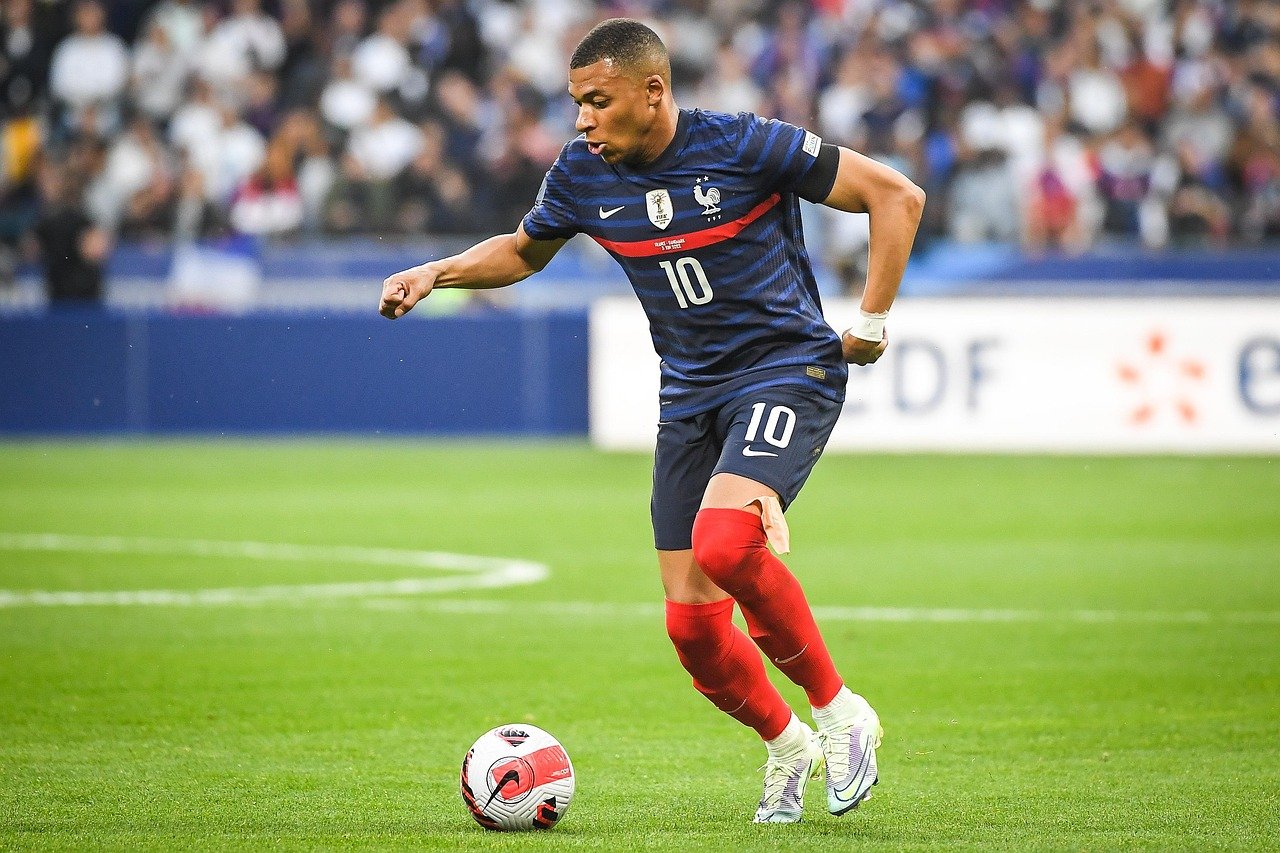
France reached the semi-finals of the 2026 World Cup on Thursday with a composed 2-0 victory over Morocco in Foxborough, Massachusetts, in a quarter-final that echoed the two nations’ meeting at the same stage four years earlier. Second-half goals from captain Kylian Mbappé and Ousmane Dembélé settled a contest that the holders had largely controlled, and sent Didier Deschamps’s side through to a third consecutive World Cup semi-final.
The fixture carried unmistakable historical weight. Four years earlier, France had ended Morocco’s run in Qatar at the semi-final stage, a match in which the North Africans became the first team from Africa and the Arab world to reach the last four of a World Cup. That achievement transformed expectations around the national side, and Thursday’s quarter-final offered Morocco a chance at revenge on one of the sport’s biggest stages. Instead, France’s greater depth and tournament experience again proved the difference, though the closeness of the contest suggested the gap between the sides continues to narrow.
The result was far from straightforward. France squandered an early opportunity to take the lead when Mbappé saw a first-half penalty saved, and Morocco defended with the discipline and organisation that have become hallmarks of their recent tournament runs. For long spells the North Africans frustrated the pre-tournament favourites, and the breakthrough did not arrive until the hour mark, when the match finally turned on a moment of individual quality.
Mbappé broke the deadlock in the 60th minute, curling a precise shot into the far corner for his eighth goal of the tournament, a tally that has kept him at the front of the race for the Golden Boot. The forward then turned provider, threading the ball into the path of Dembélé, who steered a low finish past Morocco goalkeeper Yassine Bounou to double the advantage and effectively settle the tie.
Deschamps was quick to underline how difficult it is to reach a third straight World Cup semi-final, pointing to the missed penalty and the chances that went begging before the goals arrived. He kept faith in Mbappé throughout and described his captain as a player who embodies the spirit of the team. Some critics have accused the forward of being self-centred, but Deschamps firmly rejected that characterisation, praising his willingness to shoulder responsibility.
That responsibility was on display after the penalty miss. Rather than retreating into caution, Mbappé pressed on and set the tone for France’s second-half revival, steadying those around him and reinforcing his importance to the side as the knockout rounds intensify. His ability to deliver in high-pressure moments is likely to prove decisive as the competition reaches its closing stages.
There were, however, fitness concerns to temper the celebrations. Mbappé was substituted with around 13 minutes remaining after feeling discomfort in his ankle, though early assessments suggested he should be available for the semi-final. Midfielder Manu Koné also left the field with a knock, and Deschamps will monitor both closely as he manages a squad that has so far navigated the tournament without a serious injury setback.
France’s progress has been notable for its consistency. Deschamps’s team have now won all six of their matches at the tournament, combining defensive solidity with the attacking threat that Mbappé and Dembélé provide. The coach has repeatedly stressed the human side of football, the camaraderie, resilience and composure that carry teams through knockout pressure, and those qualities have underpinned a campaign that has so far gone almost exactly to plan.
For Morocco, defeat brought disappointment but also a measure of pride. Coach Mohamed Ouahbi, who took charge only months before the tournament after Walid Regragui resigned in March, guided the team to another quarter-final and reflected on how far the national programme has come. Ouahbi, who made his name by winning the FIFA Under-20 World Cup in 2025, acknowledged that his players had enjoyed periods of control early in the second half but could not match France’s quality and experience over the full match.
Ouahbi said his side had learned from the experience and praised the character of a squad rich in young talent. His pre-match message had urged the players to focus on improvement rather than merely celebrating their advancement to the last eight, and he framed the quarter-final appearance as further evidence of steady, sustained progress for a country whose supporters have grown accustomed to deep tournament runs. His measured approach, including a willingness to delay substitutions as he searched for a way back into the game, reflected the composure he has sought to instil.
Attention now turns to a semi-final that promises a sterner examination. France are scheduled to meet the winner of the tie between Spain and Belgium in Dallas on Tuesday, and Deschamps will know his side must sharpen their finishing to punish opponents of that calibre. The margins in the closing rounds are unforgiving, and the squandered chances that preceded Thursday’s goals could prove costly against elite opposition.
For now, though, France can savour a professional performance that extended an impressive run and kept alive their hopes of another world title. Managing fitness while maintaining focus and intensity will be central to their ambitions over the coming days. Morocco, meanwhile, depart with heads held high, their reputation as one of international football’s most improved sides intact and their young core offering encouragement for the challenges ahead.
About the Author