Israel Says It Intercepted Another Houthi Attack Launched From Yemen
 Yemen Herald News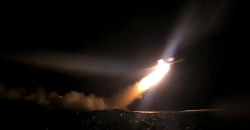
The Israeli military said it had intercepted an aerial threat launched from Yemen, the latest sign of the Houthi movement’s deepening involvement in the wider confrontation gripping the Middle East. According to the Israel Defense Forces, the projectile was engaged before it could reach populated areas, and no casualties were reported. The Houthis, who control much of northern Yemen and are aligned with Iran, have positioned themselves as active participants in a regional struggle that has drawn in several states and armed groups.
The interception was described by the Israeli army as one of a series of launches from Yemen since the Houthis renewed their attacks on Israel earlier in 2026. The group resumed fire in late March, joining a confrontation that had intensified following exchanges between Israel and Iran, and it has since claimed responsibility for repeated missile and drone launches. Israeli officials say most of these projectiles have been intercepted or have fallen short, though each launch has triggered air-raid warnings and disruption in parts of the country. The group’s arsenal is widely believed to include ballistic missiles and long-range drones supplied or developed with Iranian assistance, capabilities that have allowed it to strike at targets far beyond Yemen’s borders.
The Houthis have framed their strikes as acts of solidarity with Iran and with the Palestinians, casting their involvement as part of a broader axis opposed to Israel. Israel, in turn, has accused Tehran of orchestrating attacks across multiple fronts and has held Iran responsible for the actions of the armed groups it supports. Iran rejects direct responsibility for the Houthis’ decisions, and the competing accounts reflect the difficulty of untangling the network of alliances and rivalries that shape the conflict.
The exchange with Yemen has unfolded against the backdrop of a far larger and more dangerous confrontation between Israel and Iran. The two have traded strikes over recent weeks, with each accusing the other of aggression and each presenting its own operations as defensive. The involvement of the Houthis has widened the geographic scope of the fighting, adding a southern dimension to a war already stretching across several theatres and raising fears that further parties could be drawn in.
Beyond the immediate military dimension, the Houthis’ campaign has renewed concern about the security of maritime trade. The group’s positions overlook the Bab al-Mandab Strait, a narrow chokepoint at the southern end of the Red Sea through which a substantial share of global shipping passes on its way between Asia, the Gulf and Europe. Threats to this corridor, alongside heightened tensions near the Strait of Hormuz further east, have unsettled shippers and insurers wary of operating in contested waters. The Houthis have previously attacked commercial vessels in and around the Red Sea, prompting some shipping companies to reroute their traffic around southern Africa at considerable cost, and the resumption of hostilities has revived those concerns among operators.
Those anxieties have rippled into energy markets, where the prospect of disruption to key routes has added to volatility. Analysts have cautioned that a sustained threat to shipping lanes and energy infrastructure could push prices higher and feed inflationary pressure at a time when the global economy is already navigating uncertainty. The precise impact remains difficult to gauge, but the sensitivity of oil markets to events in the region has kept the confrontation firmly in the sights of governments and investors alike.
On the diplomatic front, international actors have pressed for de-escalation, with reports of both direct and indirect contacts aimed at halting the fighting. Several governments have offered to help mediate, part of a wider effort to bring an end to hostilities that have persisted for weeks. Progress, however, has been halting, and the continued exchange of strikes has repeatedly undercut hopes that a durable pause might take hold.
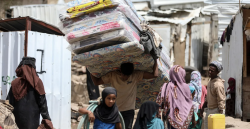
For Yemen, the Houthis’ role in the regional war compounds an already dire situation at home. The country remains locked in its own long-running conflict between the Iran-aligned Houthis and the internationally recognised government based in Aden, and the humanitarian toll is among the worst anywhere in the world. United Nations agencies estimate that more than 22 million Yemenis will require assistance and protection during 2026, with millions acutely food insecure and displaced, and with recurring outbreaks of cholera and other diseases straining a battered health system.
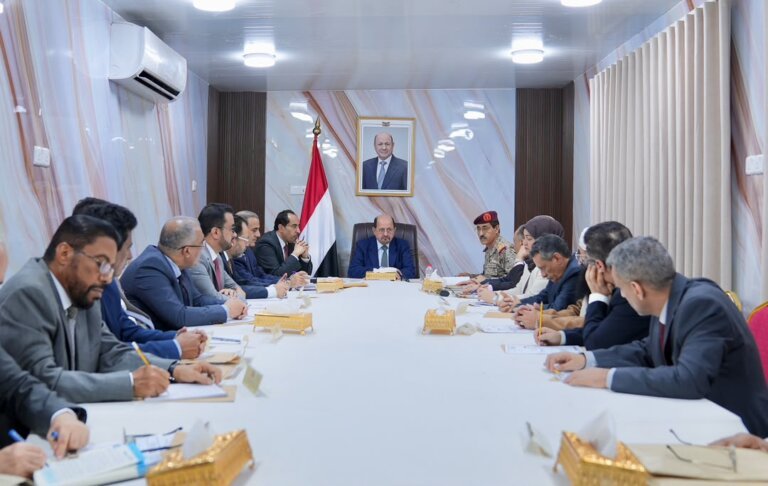
The government in Aden, which opposes the Houthis, has watched the group’s external attacks with unease, aware that any escalation risks further entrenching the movement and complicating efforts to end the domestic war. Aid organisations, meanwhile, warn that the wider regional turmoil could divert attention and funding away from Yemen’s humanitarian needs at a moment when the response is already badly underfunded.
As the situation continues to evolve, the central question is whether diplomacy can gain enough traction to curb the rising hostilities before they spread further. With multiple regional and international actors now entangled, the risk of a prolonged and widening conflict looms large, carrying the potential to reshape the balance of power across the Middle East. For now, each intercepted projectile from Yemen serves as a reminder of how far the fighting has spread and how many parties have become caught up in a confrontation that shows little sign of easing.
About the Author