Marib Governor Urges Officials and Citizens to Join Forces to Protect Yemen’s Antiquities
 Yemen Herald News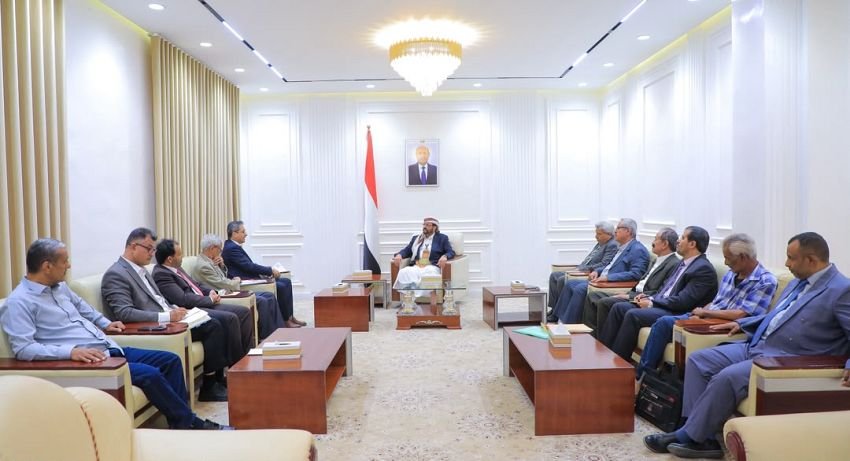
A senior member of Yemen’s Presidential Leadership Council has urged government bodies and ordinary citizens alike to redouble their efforts to safeguard the country’s antiquities and historical sites. Sultan al-Arada, who also serves as the Governor of Marib, framed the protection of Yemen’s cultural legacy as a shared national duty that cannot rest on state institutions alone but requires the active engagement of local communities.
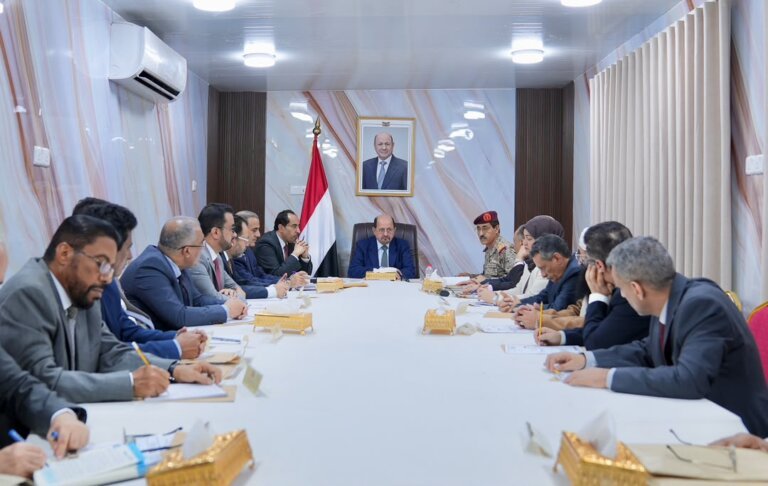
He made the appeal during a meeting held in Marib city with officials responsible for heritage and culture. Among those present were the Minister of Culture and Tourism, Mutea Dammaj; Dr. Ahmed Bataea, who heads the General Authority for Antiquities and Museums; Dr. Ali Toaiman, Deputy Chairman of the General Authority for the Preservation of Historical Cities; and Walead Mahdi, Executive Director of the Fund for Heritage and Cultural Development. The gathering was convened to examine the obstacles that continue to hamper preservation work and to consider practical ways of overcoming them. Al-Arada has governed Marib since 2012 and became one of the eight members of the Presidential Leadership Council when the body was formed in 2022, giving his intervention on heritage both local and national weight.
Few Yemeni governorates carry the historical weight of Marib. The area was the capital of the ancient South Arabian kingdom of Saba, the realm associated in tradition with the Queen of Sheba, and it remains one of the richest archaeological landscapes on the Arabian Peninsula. Its monuments include the towering pillars of the Awwam Temple, also known as Mahram Bilqis, a sanctuary dedicated to the moon deity Almaqah that archaeologists date to roughly three thousand years ago. For centuries the temple served as a major pilgrimage site for the peoples of ancient Saba.
Equally celebrated is the Great Dam of Marib, counted among the largest engineering works of the ancient world. By channelling seasonal floodwaters onto surrounding fields, the dam turned the desert around Marib into a flourishing oasis and sustained the wealth of the Sabaean state for generations. Sections of the ancient structure still stand today, and together with the temples and inscriptions they form a record of a civilisation whose influence reached across southern Arabia and beyond.
The significance of these sites was formally acknowledged by the international community. In January 2023, UNESCO inscribed the Landmarks of the Ancient Kingdom of Saba in Marib on its World Heritage List. At the same time, however, the sites were placed on the List of World Heritage in Danger, a reflection of the risks posed to them by years of armed conflict. That dual status underscores both the global value of Marib’s heritage and the fragility of its future.
Those risks are not abstract. Rights groups and heritage specialists have reported that looting of archaeological sites has grown as the humanitarian crisis has deepened, with some Yemenis said to have sold antiquities amid widespread hunger and hardship. Many sites have been left unguarded during the war, leaving them exposed to theft and damage, and earlier in the conflict airstrikes were reported to have harmed parts of the Great Dam near the Awwam Temple. Preservation officials say the combination of neglect, insecurity and economic desperation has placed an unusual burden on efforts to keep the sites intact.
Against that backdrop, al-Arada stressed the role that cultural heritage plays in sustaining national identity and cohesion during turbulent times. He described the preservation of Yemen’s historical sites as a collective responsibility, one that draws in both the machinery of the state and the wider public, and he called for greater awareness among citizens of the value of the country’s past. In his account, protecting antiquities is not merely a technical or academic concern but a way of reinforcing a shared sense of belonging.
The meeting also weighed the economic potential of Yemen’s heritage. Participants discussed how the promotion of cultural tourism could, in time, provide a source of income for Marib and the wider region. Officials noted that the governorate’s landmarks give it a distinctive draw for visitors, and that developing pathways for heritage tourism could generate revenue while showcasing Yemen’s history to an international audience, provided that a measure of stability can first be restored.
Much of the discussion centred on the practical hurdles standing in the way. Attendees pointed to bureaucratic and logistical difficulties that have slowed preservation projects and argued that clearer strategies and better coordination between authorities are needed. They also emphasised the importance of involving local communities directly, on the view that giving residents a stake in protecting nearby sites fosters a sense of ownership, strengthens the durability of restoration work, and ensures that local voices are reflected in official planning.
Officials at the meeting presented the preservation of cultural heritage as more than an act of remembrance, casting it instead as a potential building block for future peace and reconciliation. Investment in historical sites, they suggested, could offer a tangible link to a broader story of unity and resilience at a moment of profound uncertainty. Looking ahead, the participants argued that folding cultural preservation into wider recovery planning will be essential to revitalising local economies and communities, and that safeguarding Yemen’s antiquities may help the country not only reclaim its identity but also attract the international support needed for longer-term stability across the region.
About the Author