Yemen’s US Ambassador and Senior UN Relief Official Discuss Strengthening the Aid Response
 Yemen Herald News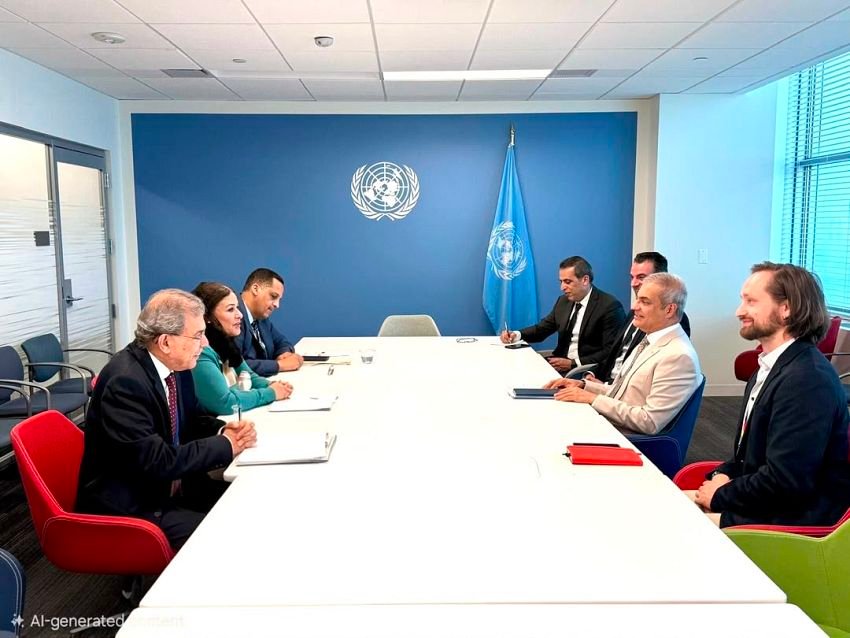
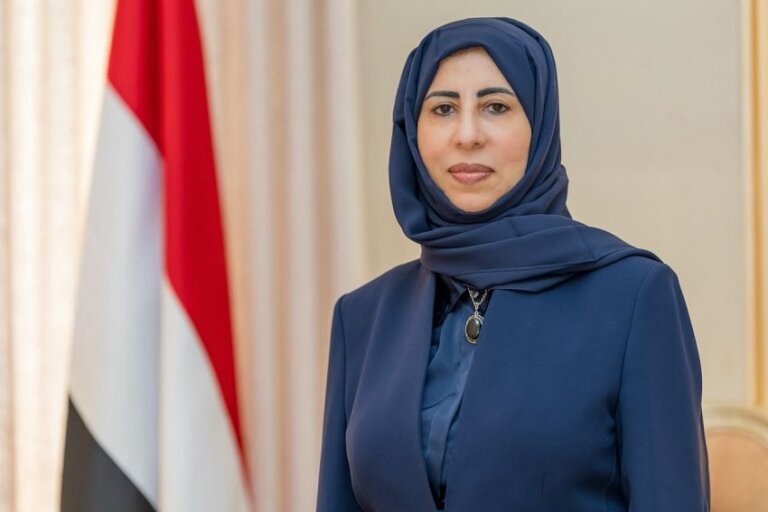
Yemen’s ambassador to the United States, Jamila Ali Rajaa, has held talks with a senior United Nations humanitarian official to discuss the worsening crisis in her country and how the international response to it might be strengthened. She met Indrika Ratwatte, the UN’s Acting Assistant Secretary-General for Humanitarian Affairs and Deputy Emergency Relief Coordinator, in a meeting also attended by Yemen’s permanent representative to the UN, Ambassador Abdullah al-Saadi.
Rajaa, who this year became the first Yemeni woman to serve as her country’s ambassador to Washington, told Ratwatte that the plight of the Yemeni people remains one of the government’s foremost priorities. A veteran of peace diplomacy who has advised the United Nations and European governments including Germany and Britain, and a founding member of the Yemeni Women’s Pact for Peace and Security, she brings to the post an unusually direct familiarity with the humanitarian file.
Her appointment carried a symbolic charge in a country where women have been largely excluded from senior political roles, and Yemeni women’s advocates welcomed it as a signal that female leadership could feature more prominently in the government’s diplomacy. Rajaa has said she intends to use the position to advance both Yemen’s bilateral relationship with Washington and the humanitarian interests of ordinary Yemenis.
Millions of Yemenis, she said, continue to bear the consequences of a conflict that the government attributes to the Iran-backed Houthi movement and the upheaval that followed its seizure of the capital in 2014. The ambassador framed the humanitarian emergency as inseparable from the country’s wider political and security struggles.
Ratwatte, who took up his acting role at the UN’s humanitarian coordination office in June and stands in for the emergency relief coordinator, Tom Fletcher, acknowledged the formidable logistics of delivering aid across a conflict zone. Reaching affected communities amid mounting funding shortfalls and shifting front lines, he said, remains a persistent challenge.
A significant part of the conversation centred on strengthening the monitoring and oversight of aid, to ensure that assistance reaches its intended recipients efficiently and transparently. Both officials agreed that safeguarding the integrity of delivery systems is essential to maintaining the trust of Yemenis and of the international donors and organisations on whose support the response depends. Ratwatte, a Sri Lankan national with more than three decades of UN humanitarian experience, previously served as the organisation’s deputy envoy in Afghanistan before moving to the coordination role.
That emphasis on accountability reflects a wider concern within the aid community. Questions about diversion and interference in relief operations have dogged the humanitarian effort in Yemen, particularly in areas outside government control, and agencies have repeatedly stressed that credible oversight is a precondition for attracting the funding needed to sustain their work.
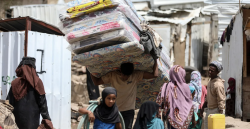
The scale of that need is stark. United Nations agencies estimated that around 19.5 million people, well over half of Yemen’s population, required humanitarian assistance in 2025, with roughly 17 million facing acute food insecurity and some 4.8 million displaced from their homes. Yet the response has been chronically underfunded; the 2025 appeal drew only a fraction of the money sought, forcing agencies to cut food rations and scale back programmes. The UN’s 2026 response plan puts needs higher still, at more than 22 million people, and seeks 2.16 billion US dollars to reach the most vulnerable.
The funding picture has grown especially precarious. UN officials have warned that the Yemen response is operating under some of its worst shortfalls on record, with the 2025 humanitarian plan financed at well under a third of its requirement. Cuts to foreign-aid budgets by several major donors have compounded the strain, leaving relief agencies to make difficult choices about which programmes to protect and which to suspend.
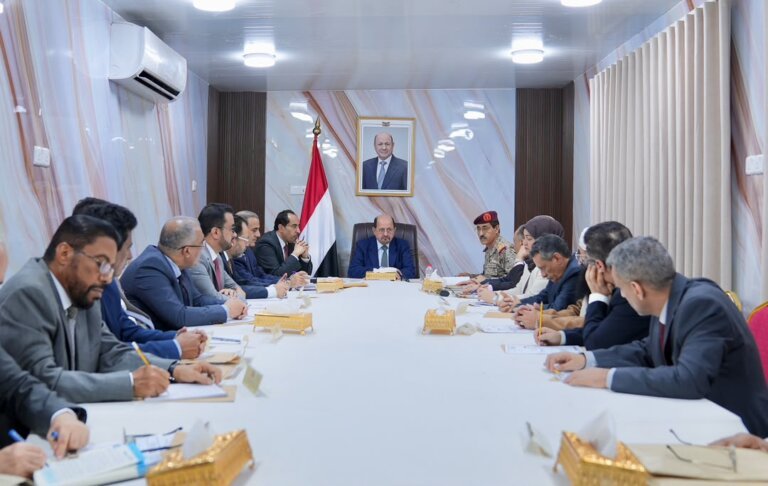
Behind the figures lies more than a decade of war. The Houthi movement, which the government and its partners say is backed by Tehran, has challenged the authority of the internationally recognised leadership in Aden, which is supported by a Saudi-led coalition. That interplay of local and outside actors has repeatedly complicated efforts at both peacemaking and recovery, disrupting access and driving fresh displacement.
Against this backdrop, Yemeni officials and their international counterparts have urged decisive action from donors and humanitarian organisations alike. Continuous engagement among the relevant parties, they argue, will be crucial to mobilising the support that urgent recovery initiatives require. The government, for its part, has repeatedly stated its commitment to fostering stability and to ensuring that aid reaches those who need it, while acknowledging that success will depend on a concerted international effort.
Meetings such as the one between Rajaa and Ratwatte are part of a broader diplomatic outreach. Since presenting her credentials to President Donald Trump earlier this year, Rajaa has used her post to press Yemen’s case with US officials and lawmakers, including members of the Congressional Yemen Caucus. Pairing that political engagement with work on humanitarian coordination reflects the government’s effort to keep both the security and relief dimensions of the crisis before its international partners.
For now, the road ahead remains challenging. Humanitarian needs are still growing, and the trajectory of the conflict will continue to shape how far relief efforts can reach. Yemeni officials expressed hope that sustained dialogue and international backing could, over time, translate into tangible improvements in living conditions and a firmer foundation for stability.
About the Author