

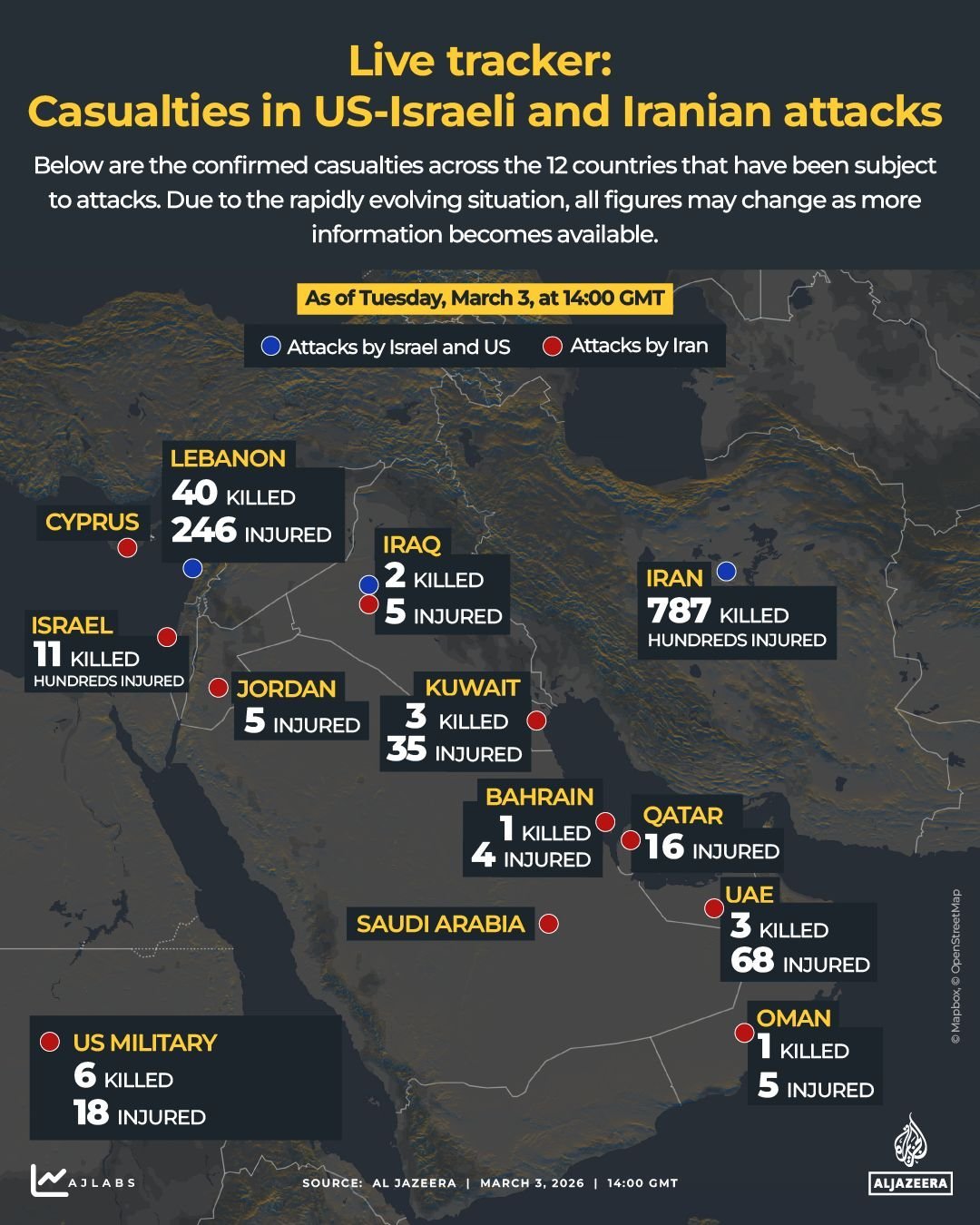
European leaders are grappling with a divided response to the ongoing conflict involving the United States and Israel, following a warning from Iran regarding the implications of joining the military actions that have destabilized the Middle East. While there is a consensus among EU member states in condemning Iran’s retaliatory strikes on nonbelligerent targets in the Gulf, their reactions to the US-Israeli actions that provoked these strikes remain inconsistent and fragmented.
The situation is further complicated by Iran’s close ties with Russia, a nation that has faced widespread condemnation from EU countries for its actions in Ukraine. Despite the discovery of a Russian antenna reportedly used in a drone strike on Cyprus, an EU member, this has not galvanized a unified European stance against Iran comparable to the collective response against Russia.
Divergent positions among EU nations are evident, with Spain taking a firm stance by evicting US military aircraft from its bases, prompting a sharp rebuke from US President Donald Trump. In contrast, Germany has aligned itself more closely with US objectives, with Chancellor Friedrich Merz labeling the Iranian regime as a “terrorist regime” and expressing support for US and Israeli efforts to counter Iran’s military ambitions.
The United Kingdom occupies a middle ground, permitting the use of its Akrotiri military base in Cyprus for US defensive operations. This reflects a broader trend of varying degrees of support for US military initiatives among EU members, with Germany’s recent shift breaking from the previously unified approach taken by the EU triad of the UK, France, and Germany, which had previously advocated for negotiations with Iran.
Experts suggest that Spain’s principled stance emphasizes the importance of adhering to international law, a position that contrasts sharply with the more militaristic approaches of other EU nations. As the situation evolves, the lack of a cohesive European response to the conflict underscores the complexities of international relations in the face of regional instability.