

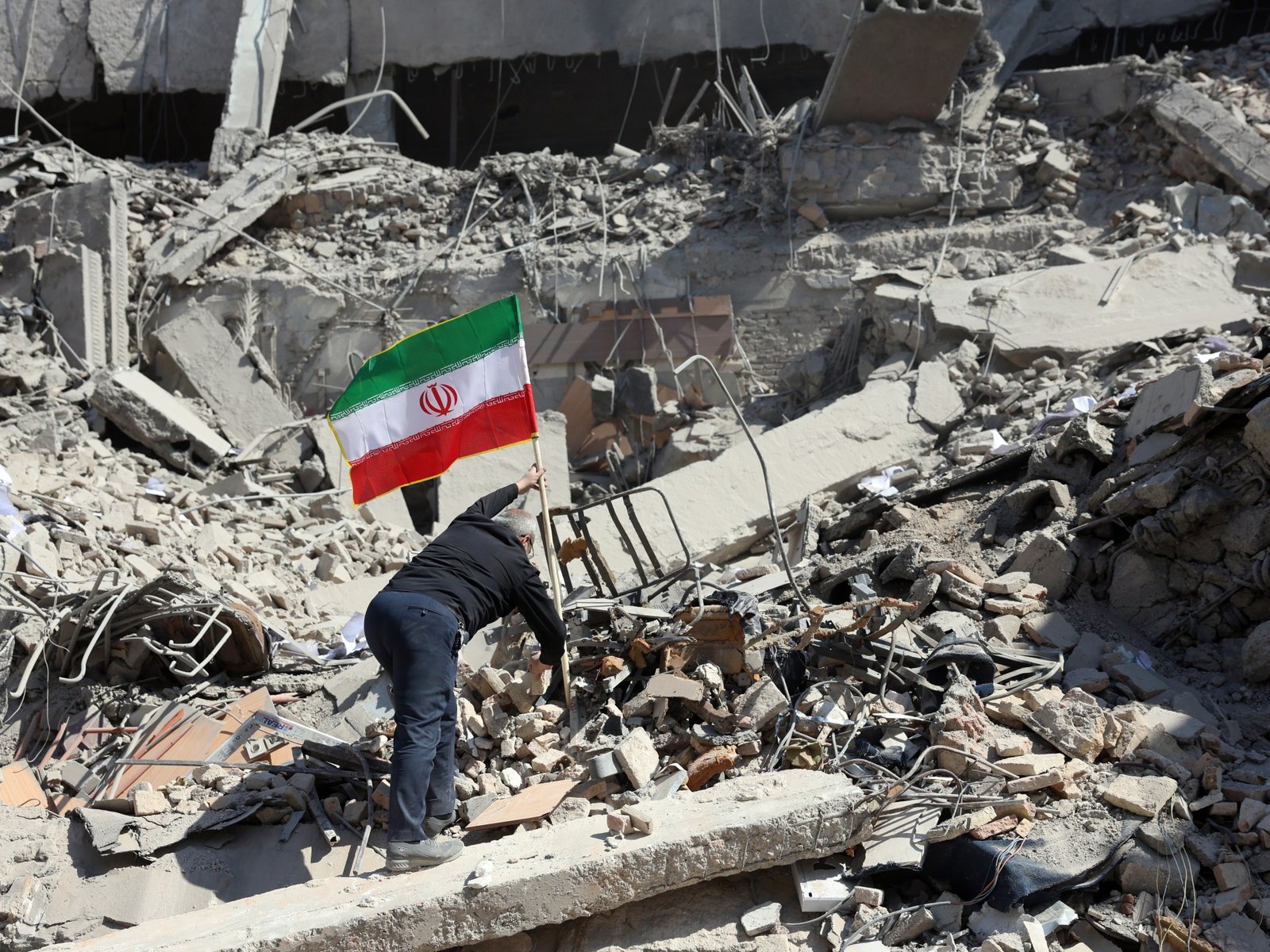
The recent joint military strikes by the United States and Israel on Iran have ignited significant political controversy, with critics questioning the unilateral actions taken by the White House. Amidst this turmoil, attention has shifted to the financial implications of the conflict, particularly concerning prediction markets such as Kalshi and Polymarket. These platforms allow traders to bet on the outcomes of geopolitical events, raising concerns about potential insider trading.
Reports indicate that a user on Polymarket, known as “Magamyman,” made over $500,000 in a single day by betting on the likelihood of Iran’s Supreme Leader, Ayatollah Ali Khamenei, being ousted from power. This bet was placed shortly before the news of the strikes became public, prompting scrutiny from lawmakers. California Democratic Representative Mike Levin highlighted that the user placed their bet when the probability of a strike was only 17 percent, just 71 minutes before the announcement.
Other traders on Polymarket also placed bets on the potential for U.S. military action against Iran shortly before the strikes occurred. This pattern of trading has raised alarms reminiscent of past incidents where traders profited from events like the abduction of former Venezuelan President Nicolas Maduro. The anonymity and cryptocurrency-based transactions on platforms like Polymarket have led to calls for increased regulation, especially as concerns about the ethical implications of profiting from war and conflict grow.
In response to the backlash, Kalshi has emphasized its “death carveout” policy, which prevents trades from being settled if they result in death, aiming to avoid enabling profit from violent outcomes. Meanwhile, Polymarket has defended its role in providing a platform for crowd-sourced predictions, asserting that it can offer insights during critical times. However, the platform has faced ongoing scrutiny, including a previous investigation by the U.S. Department of Justice and allegations of a hostile work environment within its leadership.
The situation has prompted bipartisan calls for reform. Former White House official Mick Mulvaney has advocated for regulation akin to state-level gambling laws, while Senator Chris Murphy has pledged to introduce legislation to ban such prediction markets altogether. As the debate continues, the implications of these trading practices on democracy and public safety remain a focal point for lawmakers and the public alike.