
Planning Minister and UNICEF Discuss Expanding Programs for Yemen’s Children
 Yemen Herald News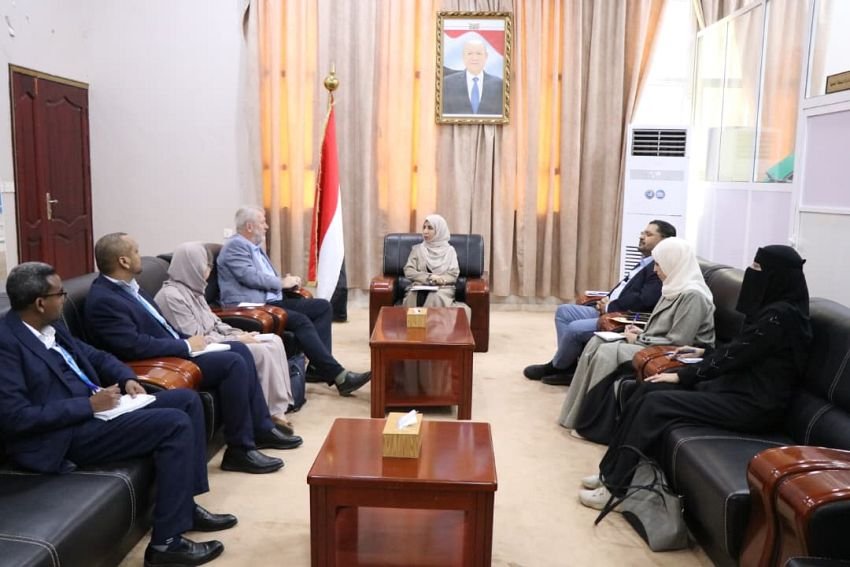
Yemen’s Planning Minister and UNICEF have discussed expanding humanitarian and development programmes for children and families across the country. In a meeting in Aden, Dr. Afrah Al-Zouba, the Minister of Planning and International Cooperation, and Peter Hawkins, the UNICEF Representative in Yemen, reviewed the organisation’s planned activities for the coming year and explored ways to deepen their cooperation.
The discussions highlighted UNICEF’s ongoing initiatives in critical areas such as social protection, health, nutrition, education and water and sanitation. Both sides reviewed the impact of these interventions, which are designed to support essential services for children and families throughout Yemen, and considered how they might be strengthened and expanded in the period ahead.
The importance of strengthening coordination and deepening partnerships was emphasised throughout the meeting, with both parties seeking to align their efforts with the government’s humanitarian and development priorities. Dr. Al-Zouba underscored the significance of continued collaboration with UNICEF, recognising the organisation’s role in supporting some of the most vulnerable members of Yemeni society.
Children have borne a heavy share of the burden of Yemen’s conflict. Years of war have exposed them to violence, displacement, disease and malnutrition, while disrupting their education and threatening their development. Addressing the needs of children is therefore central to the humanitarian response and to any effort to secure the country’s future.
UNICEF, the United Nations agency dedicated to children, has been among the most prominent humanitarian actors in Yemen. Its work spans a range of sectors essential to the wellbeing of children and families, and its extensive presence and operational capacity have made it a key partner in efforts to deliver assistance across the country.
The focus on nutrition addresses one of the gravest threats facing Yemeni children. Malnutrition has been widespread during the conflict, with large numbers of children suffering from acute malnutrition that endangers their health and development. Efforts to prevent and treat malnutrition are among the most urgent priorities of the humanitarian response.
Health services, another area of UNICEF’s work, are vital in a country where the health system has been severely weakened. Supporting immunisation, maternal and child health and the treatment of disease helps protect children from preventable illness and death, addressing needs that have been intensified by the collapse of services during the war.
Education has been profoundly disrupted by the conflict, with schooling interrupted for large numbers of children and many schools damaged or closed. Supporting education is widely regarded as an investment in the future, helping to safeguard the prospects of a generation whose schooling has been severely affected and to preserve a sense of normalcy for children.
Water and sanitation are similarly critical, particularly given the risks of disease in a country that has experienced serious outbreaks. Ensuring access to clean water and adequate sanitation helps protect children and families from illness, addressing a need that is especially acute in areas affected by displacement and damaged infrastructure.
Social protection, also featured in the discussions, encompasses measures to support vulnerable households and to help them cope with hardship. Such programmes can provide a safety net for families struggling amid economic collapse, helping to meet basic needs and to mitigate the impact of the crisis on children and their families.
The emphasis on aligning efforts with government priorities reflects the importance of coordination between international organisations and national authorities. Ensuring that assistance supports and complements the government’s own plans helps enhance the coherence and effectiveness of the response and reinforces the role of national institutions.
The role of the Ministry of Planning and International Cooperation in these discussions reflects its function in coordinating international assistance and development cooperation. The ministry plays a part in aligning the contributions of partners with national priorities, making its engagement with organisations such as UNICEF an important element of the response.
Deepening partnerships, a goal emphasised by both sides, is essential to sustaining and expanding assistance. Strong relationships between the government and international organisations help ensure that cooperation is effective and responsive, and that resources and expertise are marshalled to address the extensive needs of the population.
The continued collaboration with UNICEF depends, as with much humanitarian work in Yemen, on adequate funding and sustained commitment. Humanitarian operations have frequently faced shortfalls, and maintaining support for programmes benefiting children requires reliable resources, making the mobilisation of funding an ongoing priority.
The scale of children’s needs helps explain the emphasis both sides placed on nutrition and health. Aid agencies estimate that more than two million children under the age of five in Yemen are acutely malnourished, including several hundred thousand suffering from severe acute malnutrition, the most dangerous form, which sharply raises the risk of death without treatment. Pregnant and breastfeeding women face elevated risks of malnutrition as well, with consequences that carry into the health of their infants. These figures underline why programmes combining nutritional support with health care, clean water and social protection are regarded as so critical, and why sustaining them has become one of the central concerns of the humanitarian effort in the country.
For now, the meeting between Al-Zouba and Hawkins reaffirmed the shared commitment of the Yemeni government and UNICEF to supporting children and families across the country. As Yemen continues to grapple with its humanitarian emergency, cooperation of this kind remains essential to protecting the wellbeing and prospects of its youngest and most vulnerable citizens.
About the Author




