Japan and IOM Launch $5.3 Million Aid Project for Marib’s Displaced
 Yemen Herald News
The Government of Japan has partnered with the International Organization for Migration to launch a humanitarian project in Yemen’s Marib governorate, backed by a funding commitment of approximately 840 million Japanese yen, or about 5.3 million dollars. The initiative is designed to improve the living conditions of internally displaced people and the host communities that have absorbed them, in one of the areas most affected by the country’s displacement crisis.
The project will concentrate on several key areas, including the rehabilitation of health and medical facilities, the development of disaster management infrastructure and the construction of shelters for displaced families. Together, these components are intended to address some of the most urgent needs of a population strained by years of conflict and by the pressures of hosting large numbers of the displaced.
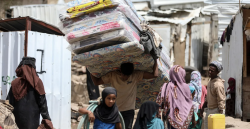
According to a statement from the Japanese Embassy to Yemen, Marib governorate is currently home to the largest number of internally displaced people in the country, with estimates suggesting that around 1.8 million people have sought refuge there. The concentration of so many displaced families in a single governorate has placed immense strain on local services and infrastructure.
The scale of displacement in Marib reflects its particular role in the conflict. As fighting has displaced people from other parts of the country, many have gravitated toward the governorate in search of relative safety, swelling its population and creating sprawling settlements of displaced families whose needs far outstrip the capacity of local resources to meet them.
The focus on host communities alongside displaced people is significant. The arrival of large numbers of displaced families places heavy demands on the communities that receive them, straining services, infrastructure and resources. Supporting host communities as well as the displaced helps to ease these pressures and to maintain the social cohesion on which stability depends.
The rehabilitation of health and medical facilities addresses a critical need. Yemen’s health system has been devastated by the conflict, and in areas hosting large displaced populations the demand for medical care is especially acute. Restoring and strengthening facilities can help ensure that both displaced people and host communities have access to essential health services.
The construction of shelters, another component of the project, responds to one of the most basic needs of displaced families. Many of the displaced live in inadequate conditions, in makeshift structures that offer little protection from the elements. Providing proper shelter is fundamental to the dignity and wellbeing of those who have lost their homes.
The inclusion of disaster management infrastructure reflects an awareness of the additional hazards facing displaced communities. Settlements of displaced people can be vulnerable to natural hazards such as flooding, and developing infrastructure to manage and mitigate such risks can help protect populations already rendered vulnerable by displacement and conflict.
The International Organization for Migration, which is implementing the project, is a leading agency in addressing displacement worldwide. Its expertise and operational capacity in supporting displaced populations make it well placed to deliver assistance effectively, and its involvement reflects the collaborative nature of the humanitarian response in Yemen.
Japan’s contribution underscores its role as a significant donor to humanitarian efforts in Yemen. Working through international organisations such as IOM, Japan has supported a range of projects aimed at alleviating suffering and improving conditions for those affected by the conflict, forming part of a broad international response to the crisis.
The financial commitment of some 5.3 million dollars represents a substantial investment in addressing the needs of Marib’s displaced population. While the scale of need far exceeds what any single project can meet, targeted contributions of this kind provide meaningful support and help sustain the broader humanitarian effort in the governorate.
The living conditions of internally displaced people remain among the most pressing humanitarian concerns in Yemen. Millions of people across the country have been uprooted, many of them multiple times, and their circumstances are often marked by inadequate shelter, limited access to services and heightened vulnerability. Improving these conditions is central to the humanitarian response.
The concentration of need in Marib gives projects such as this one particular importance. Addressing the requirements of a population that includes such a large share of the country’s displaced can have significant impact, and the governorate has been a focus of humanitarian attention precisely because of the scale of the challenges it faces.
Sustaining and expanding such efforts will depend on continued funding and commitment from the international community. Humanitarian operations in Yemen have frequently faced shortfalls, and the maintenance of assistance to displaced populations requires reliable support. Contributions such as Japan’s play an important role in sustaining this vital work.
The project also illustrates a wider principle in the humanitarian response to displacement: that durable relief requires investment not only in emergency aid but in the systems and infrastructure that allow communities to cope over the longer term. By combining shelter with the rehabilitation of health facilities and measures to manage hazards, the initiative seeks to move beyond short-term stopgaps toward a more resilient foundation for the displaced and their hosts alike, an approach increasingly favoured by aid agencies working in protracted crises such as Yemen’s.
For now, the partnership between Japan and IOM offers tangible support to some of the most vulnerable people in Yemen. While the needs of Marib’s displaced population remain immense, the project represents a meaningful contribution to improving their conditions and reflects the continued engagement of international partners in one of the world’s most severe humanitarian crises.
About the Author