ICRC delegation reviews prosthetics and physiotherapy services at Marib centre
 Yemen Herald News
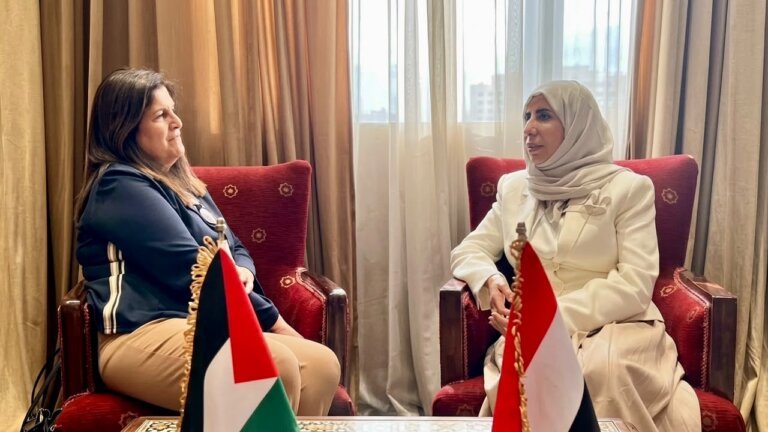
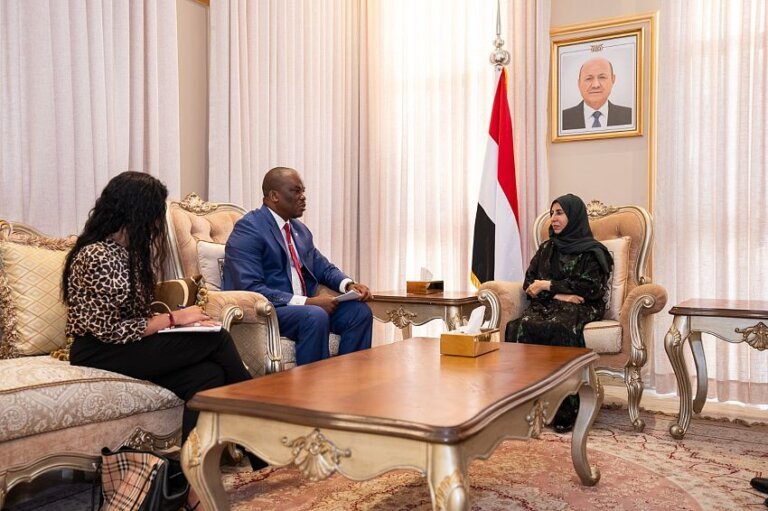
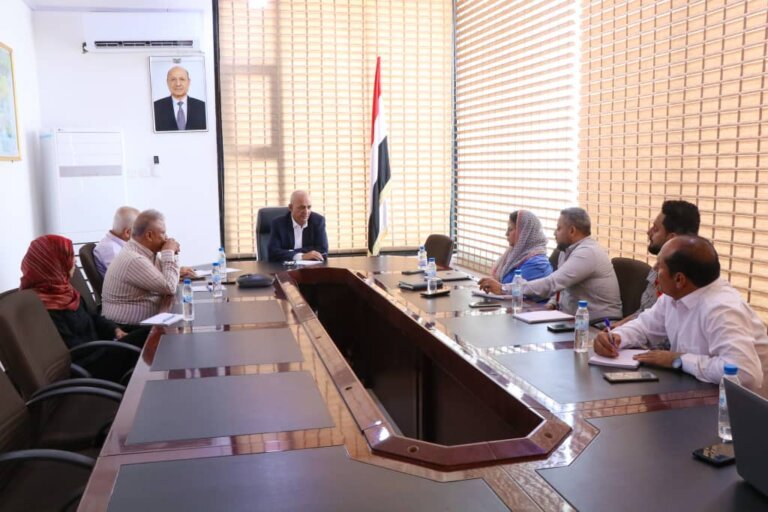
MARIB, Yemen — A delegation from the International Committee of the Red Cross visited the prosthetics and physiotherapy centre in Marib on Sunday to review its services, the state news agency Saba reported.
The delegation included the ICRC’s deputy health coordinator, Kuassi Kouman, and field officer Abbas Ibrahim, the agency said.
The visitors were briefed on the centre’s medical and rehabilitation services and on how it coordinates with the Marib Hospital Authority.
The delegation praised the quality of the services and the part played by the King Salman Humanitarian Aid and Relief Centre in supporting prosthetics and rehabilitation projects, according to Saba.
It said such support helps amputees regain mobility and independence and return to their communities.
The account of the visit rests on Saba, which is run by the internationally recognised government. The ICRC has not published its own statement on the visit, and Yemen Herald found no independent confirmation of it.
Saba did not say how many patients the centre treats, when it opened or who funds its running costs.
The ICRC has run a physical rehabilitation programme in Yemen for years, supporting centres that fit and repair artificial limbs, supply wheelchairs and crutches and provide physiotherapy. It opened a rehabilitation centre in Saada in recent years.
Fitting a limb is only the start. Prosthetics need adjustment and replacement as sockets wear and as children grow, so patients return to a centre repeatedly over years.
Physiotherapy is provided alongside the workshop. Patients are taught to walk on a new limb, and those with spinal or nerve injuries are treated for mobility.
Centres of this kind are scarce in Yemen and are concentrated in the larger cities, which means patients from rural districts travel long distances and often stay for several days.
Transport costs and road closures are a recurring obstacle. Fuel prices and front lines have cut some governorates off from the nearest workshop.
The ICRC was founded in 1863 and has a mandate under the Geneva Conventions to protect and assist victims of armed conflict. It has worked in Yemen since the 1960s.
The organisation works on both sides of the front lines. It visits detainees, supports hospitals and water systems and has acted as a neutral intermediary in prisoner exchanges between the government and the Houthi movement.
The King Salman centre was established by royal decree in 2015 and is Saudi Arabia’s main channel for humanitarian funding. It has financed prosthetics and rehabilitation work in several Yemeni governorates.
Amputations in Yemen have followed shelling, air strikes, small-arms fire and mines. Rehabilitation services were limited before the war and much of the sector has depended on outside funding since.
Yemen is among the countries most heavily contaminated by mines and explosive remnants of war. Landmine Monitor has placed it among those recording the highest annual numbers of deaths and injuries from such devices.
The Saudi-funded Masam demining project said it removed 863 mines and explosive devices across the country during the first week of September, and 589,188 since it began work in 2018.
Marib sits east of Sanaa and is held by the internationally recognised government. It was the main front of the war between 2020 and 2022, when Houthi forces mounted repeated offensives to take the city.
Local authorities in Marib say the governorate hosts a large share of Yemen’s displaced population, with camps ringing the city. UN agencies have described Marib as one of the largest displacement sites in the country.
The city’s population grew several times over during the war as families arrived from Sanaa, al-Jawf and Nihm.
Health services there carry that load. Marib General Hospital is the main referral facility for the governorate and for parts of neighbouring areas.
Fighting has resumed elsewhere. Houthi forces launched simultaneous ground assaults in southern Hodeidah and in three districts west of Taiz on Thursday, according to Al Jazeera and Arab News, which described the attack as the largest since the UN-brokered truce of April 2022.
Government troops recaptured a hilltop in Jabal Habashi the following day, Arab News reported. The National reported that government forces counted 14 ballistic missiles fired at rural areas of Taiz and Hodeidah.
Hans Grundberg, the UN special envoy for Yemen, called the escalation extremely alarming and warned that it risked widening the conflict, his office said. He urged the parties to halt hostilities and to use the Military Coordination Committee.
The UN Office for the Coordination of Humanitarian Affairs said nearly 1,800 families fled in less than 48 hours and that several displacement camps in Maqbanah and Jabal Habashi emptied under shelling. It said emergency stocks were severely depleted.
The United Nations humanitarian plan for 2026 counts more than 22 million people in Yemen needing assistance, of whom 18.3 million are acutely food insecure. It records more than 2.2 million children under five as acutely malnourished, including 516,157 severe cases.
The plan counts 5.2 million people displaced inside the country and seeks 2.16 billion dollars to reach 12 million of them. Health and protection are among its components.
Funding has lagged. Saba reported on 4 September that the European Union had given the UN Population Fund 3 million euros for work in Yemen, and that the appeal then stood at 18 per cent funded.
Saba did not say whether the delegation planned further visits.
About the Author