Al-Alimi asks UN chief to back Security Council designation of the Houthis
 Yemen Herald News
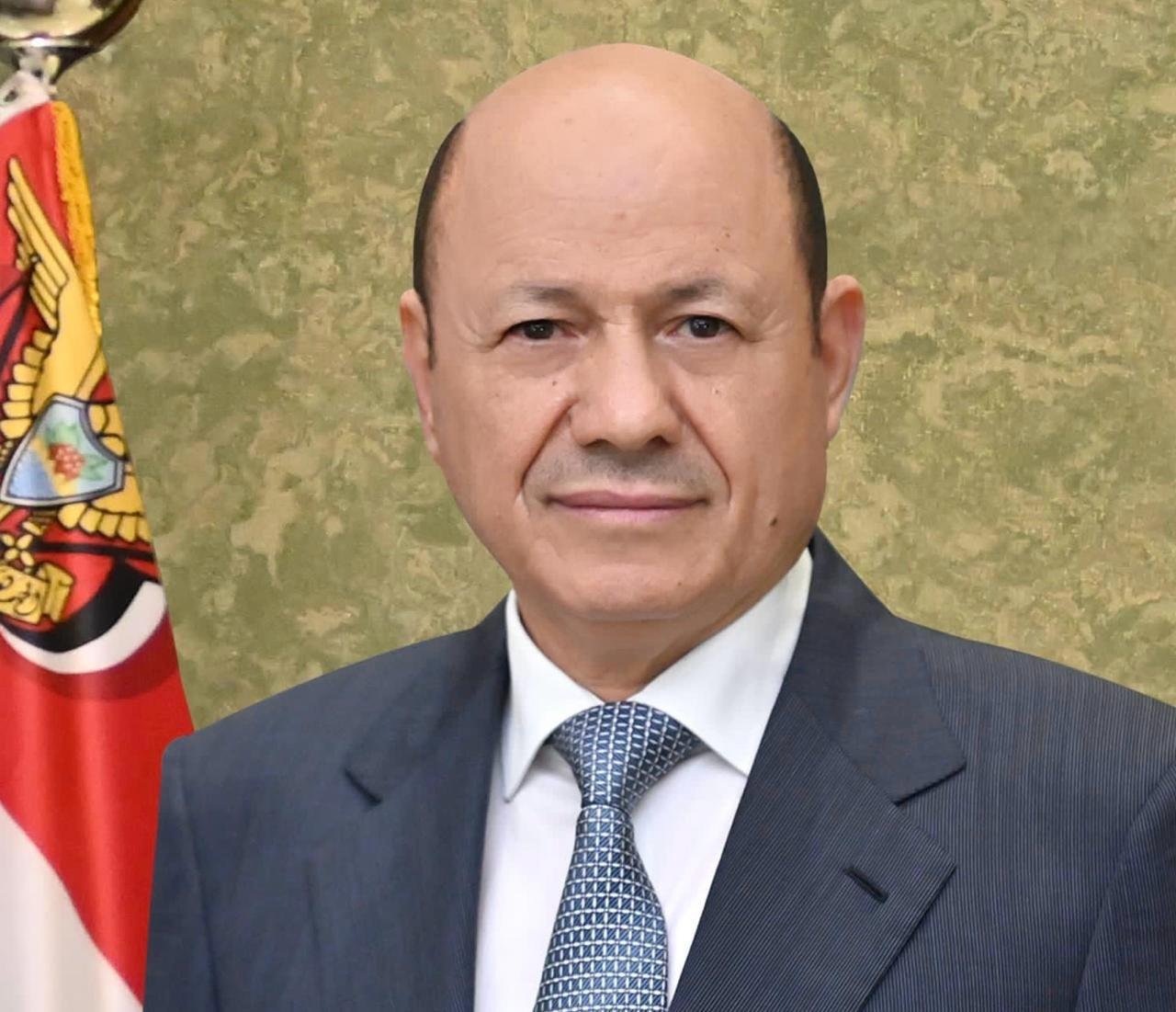
ADEN, Yemen — Yemen’s Presidential Leadership Council chairman asked the UN secretary-general to back Security Council action designating the Houthi movement a terrorist organisation, the state news agency said.
Rashad al-Alimi made the request in a telephone call with Secretary-General Antonio Guterres, the agency, Saba, reported on Sunday.
Al-Alimi asked the United Nations to support efforts through the Security Council to enforce the arms embargo on the movement, cut off its funding and weapons supplies, and hold its backers to account, according to Saba.
The account of the call rests on Saba, which is run by the internationally recognised government. No independent confirmation of the conversation has been published, and Yemen Herald could not verify it.
Al-Alimi briefed Guterres on missile and drone attacks and on assaults on civilian areas, Saba said. He also raised the siege of Taiz.
He cited the detention of more than 70 UN employees and what he described as the abduction of thousands of Yemeni citizens, the agency said.
He urged governments to move beyond condemnation and to implement international resolutions in full, according to the report.
That included lifting sieges on cities and opening safe routes for civilians and for aid deliveries, Saba said.
Al-Alimi restated what he called the government’s commitment to a just and lasting peace.
Guterres condemned Houthi attacks inside Yemen and across its borders, Saba reported, and denounced the continued detention of UN staff.
The agency said he pledged stronger UN support for the Yemeni government and for Saudi Arabia. The United Nations has not published its own account of the call.
The detention figure al-Alimi cited is close to one reported independently this month.
Human Rights Watch said on Oct. 6 that 72 UN staff remained in Houthi detention as of the previous day, along with dozens of humanitarian and civil society workers. All were Yemeni nationals, the group said.
The organisation said the Houthis had referred at least eight people for prosecution since Aug. 18. They were two UN employees, one UN consultant and five people who worked with international and local civil society groups.
The cases went to the Specialized Criminal Prosecution in Sanaa, Human Rights Watch said.
The charges are espionage and aiding the enemy, under articles 127 and 128 of Yemen’s penal code, the group said. Both carry the death penalty.
Those charges set out the position of the Houthi authorities, who accuse the detainees of spying rather than aid work.
Human Rights Watch said more than 100 UN and civil society staff had been arbitrarily detained since May 31, 2024. Raids that day took 13 UN staff and at least 50 civil society workers.
Human Rights Watch said in January that the detentions were halting aid work in Yemen.
The group called for the prosecutions to be halted and the detainees freed without conditions. It said other governments should increase diplomatic efforts for their release.
Guterres called in March for the immediate release of 118 detained UN staff. The United Nations said last week that one staff member had been freed.
The Security Council has not listed the movement as a terrorist organisation. The designation al-Alimi is seeking would be a first for the body.
The council imposed a targeted arms embargo on Houthi leaders in 2015 under resolution 2216. It extended the embargo to the movement as a whole in 2022 under resolution 2624.
A foreign terrorist organisation listing makes it a crime under US law to provide the group with material support.
Individual states have gone further. The US State Department designated Ansar Allah, the movement’s formal name, a foreign terrorist organisation with effect from March 2025, following an executive order signed that January.
The government has pressed the same case in other forums this month.
Foreign Minister Afrah al-Zouba asked the 52nd session of the Organisation of Islamic Cooperation’s Council of Foreign Ministers, meeting in Baghdad, to apply the designation and cut the movement’s funding, Saba reported on Saturday.
Al-Zouba has held the post since July, when a republican decree made her Yemen’s first woman foreign minister. The Baghdad session opened on Oct. 17, and the chairmanship of the council passed from Turkiye to Iraq, the Saudi Press Agency reported.
The Gulf Cooperation Council’s ministerial council has called on the international community to enforce the arms embargo and designate the Houthis a terrorist group.
The Houthis, who hold Sanaa and much of northern Yemen, have rejected the designation campaign.
Houthi forces have encircled much of Taiz since 2015, and the government describes the city as under siege. The Houthis reject that account.
Aid agencies have set out the humanitarian cost of the war. The UN Office for the Coordination of Humanitarian Affairs said in its plan for this year that more than 22 million people in Yemen need assistance.
Of those, 18.3 million are acutely food insecure, OCHA said. More than 2.2 million children under five are acutely malnourished, including 516,157 severe cases.
The office counted 5.2 million displaced people. Its appeal sought 2.16 billion dollars to reach 12 million of them.
Al-Alimi has chaired the Presidential Leadership Council since April 2022, when Abed Rabbo Mansour Hadi transferred his powers to the body.
About the Author