Electricity Minister and EU Ambassador Discuss Yemen’s Power Crisis
 Yemen Herald News
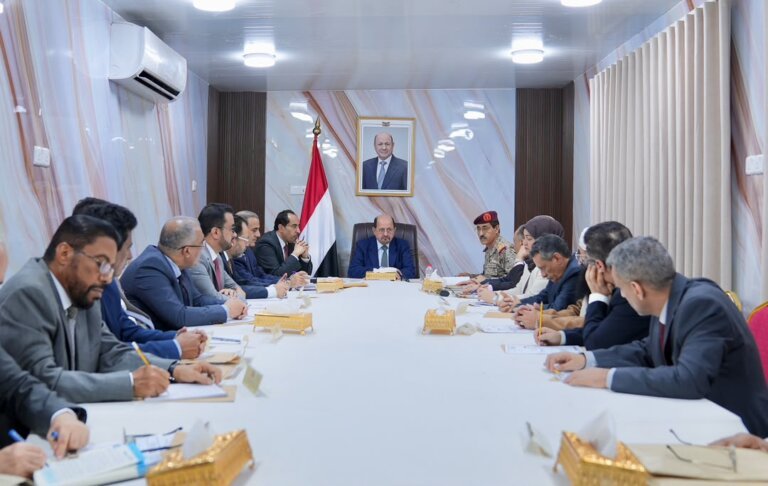
Yemen’s Electricity Minister and the EU ambassador have discussed the country’s worsening power crisis and the need for deeper international cooperation to address it. Adnan al-Kaf, the Minister of Electricity and Energy, met Patrick Simonnet, the European Union Ambassador to Yemen, on Tuesday, in talks focused on expanding collaboration in rebuilding and stabilising a sector widely seen as critical to economic recovery and public welfare.
Yemen’s electricity infrastructure continues to face severe strain, with outages becoming more frequent across multiple regions. According to officials, the situation is expected to deteriorate further as summer approaches, a period typically marked by a sharp rise in demand for electricity as households and businesses seek relief from the heat.
Minister al-Kaf outlined the scale of the challenge, pointing to limited generation capacity and a widening gap between supply and demand. These constraints lie at the heart of the crisis, and closing the gap between the electricity available and the electricity needed is central to improving the reliability of supply.
The electricity sector has been among the hardest hit by Yemen’s conflict. Power stations, transmission lines and distribution networks have been damaged, while fuel shortages, financial constraints and the fragmentation of the country have further undermined the ability to generate and deliver electricity, resulting in chronic shortages and frequent outages.
The approach of summer heightens the urgency of the situation. Demand for electricity peaks during the hot months, straining an already overstretched system and increasing the frequency and duration of outages, with consequences for households, businesses, hospitals and the many activities that depend on a reliable power supply.
The impact of power shortages extends across many areas of life. Electricity underpins healthcare, water supply, commerce and communications, and its unreliability affects the functioning of essential services and the daily lives of citizens, making the state of the sector a matter of significant concern for the population and the government alike.
The European Union has been among the international partners engaged with Yemen, providing assistance across humanitarian, development and economic domains. Its engagement on the electricity sector reflects a recognition of the importance of reliable power to the country’s recovery and to the welfare of its people, aligning with its broader support for Yemen.
Rebuilding and stabilising the electricity sector is a demanding undertaking that requires substantial resources and sustained effort. Repairing and expanding infrastructure, securing fuel and addressing the financial challenges of the sector all present significant difficulties, and international cooperation can help mobilise the resources and expertise required.
The framing of the electricity sector as critical to economic recovery reflects its foundational role in the economy. Reliable power is essential to industry, commerce and investment, and the unreliability of supply has been a significant constraint on economic activity, making the revival of the sector important to the broader effort of recovery.
The connection between electricity and public welfare, also emphasised, reflects the impact of the sector on the daily lives of citizens. Access to reliable power affects the availability of services, the functioning of homes and businesses and the general conditions of life, making improvements in the sector directly relevant to the welfare of the population.
The limited generation capacity cited by the minister reflects the damage and constraints affecting the sector’s ability to produce electricity. Expanding generation, whether through the rehabilitation of existing facilities, the development of new capacity or the expansion of renewable energy, is central to addressing the gap between supply and demand.
Renewable energy, and solar power in particular, offers significant potential in a country as sunny as Yemen. In the absence of reliable grid electricity, many Yemenis have already turned to solar power, and expanding renewable energy at a larger scale could help address shortages while reducing dependence on imported fuel over the longer term.
The engagement with the European Union forms part of the broader effort by the government to secure international support for the electricity sector and for recovery more generally. Cultivating relationships with partners and keeping the country’s needs on their agendas is a continual priority for a government reliant on external assistance.
Addressing the electricity crisis will require sustained cooperation, investment and effort over time. The challenges facing the sector are deep-seated, and improving the reliability of supply is a long-term undertaking, particularly amid the constraints of the conflict, though international support can contribute to progress.
The government’s engagement on the issue reflects its recognition of the importance of electricity to recovery and welfare. Improving the reliability of power supply is among the priorities of a government seeking to relieve hardship and to demonstrate its capacity to serve citizens, and cooperation with partners is central to these efforts.
For many Yemenis, the annual return of summer power cuts has become a grimly familiar ordeal, one that strips homes of fans and refrigeration precisely when temperatures are at their most punishing and that can leave clinics struggling to keep vaccines and medicines cool. The seasonal predictability of the crisis has lent added weight to appeals for durable solutions rather than emergency stopgaps, and officials framed the cooperation with the European Union as part of an effort to move beyond patching the system toward rebuilding it on a more stable footing.
For now, the meeting between al-Kaf and Simonnet underscored the urgency of Yemen’s electricity crisis and the importance of international cooperation in addressing it. As the country faces the prospect of worsening shortages with the approach of summer, strengthening and stabilising the electricity sector remains a pressing priority for the government and its partners.
About the Author