Yemen’s health ministry says Taiz has about four days of hospital fuel left
 Yemen Herald News
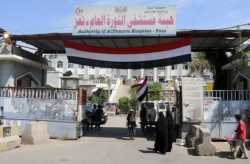
ADEN, Yemen — Yemen’s Ministry of Public Health and Population said health services in Taiz are near collapse, with hospital fuel reserves down to about four days.
The ministry issued the warning Wednesday. It said conflict and restrictions on deliveries of medical supplies had left the governorate’s health system unable to meet basic needs.
The account rests on the ministry’s own report and statement. No independent confirmation of its figures has been published, and Yemen Herald found no second origin for them.
The report was compiled by the Taiz Health Office and covers October. It said 345 health facilities fell within its survey.
Of those, the ministry said 256 had been seized. It said 25 were partially damaged, one was destroyed and two sustained other damage.
The ministry attributed the seizures and the supply restrictions to Houthi forces. The Houthi authorities reject that account.
A Houthi spokesperson told Human Rights Watch on Oct. 21 that Yemeni government forces, not Houthi forces, were blocking roads into the city.
The ministry put fuel stocks at 5% of requirements. It said 20,394 litres remained against a daily need of 5,336 litres, about 3.8 days of supply.
Monthly fuel requirements stand at 160,080 litres, according to the report. It said shortages could suspend services at 12 hospitals.
Oxygen supplies were at 2% of requirements, the ministry said. It put the daily deficit at about 201 cylinders.
Emergency medicines and consumables were at 30% of needed levels. The report listed 127 categories of medicine as urgently needed and said 115 essential items risked running out.
The ministry said 15 ambulances had been lost, 58% of the fleet. It said 22 intensive care beds were out of service, 23% of the governorate’s intensive care capacity.
Access has narrowed alongside the supply shortfall. The report said 246,711 people had lost access to basic health care.
Among them were 186,415 children under five and 22,986 pregnant women, according to the ministry.
Vaccination services were suspended at 44 facilities. Nutrition programmes stopped at the same number, and reproductive health services were disrupted at 74.
Three facilities providing emergency obstetric care closed, the ministry said. It said that ended half of that service in the governorate.
Four therapeutic feeding centres stopped functioning. The report said 9,454 infants under one had been left without immunisation.
It said 5,057 children with severe acute malnutrition and 27,752 with moderate acute malnutrition were affected by the disruption.
The ministry called on humanitarian organisations, international partners and donors to intervene. It asked them to keep medical supplies and life-saving services running.
Human Rights Watch published its own findings on Taiz the same week. The group said Houthi forces encircled the city in October and blocked the last remaining supply route.
The organisation issued its findings from Beirut on Oct. 29. It said it interviewed 15 people during the month, among them five residents, four doctors and six civil society workers.
Niku Jafarnia, the group’s Yemen and Bahrain researcher, said the Houthis “cannot use the siege of Taizz to justify the humanitarian catastrophe.”
Human Rights Watch said the remaining route had been attacked as well as blocked.
Human Rights Watch said the restrictions had affected about a million residents of the city. It said Houthi forces have blocked main roads linking Taiz to the rest of Yemen since 2015.
The group described the siege as having run for 12 years. It cited statements from the World Food Programme, OCHA, UNICEF and the UN humanitarian coordinator.
The World Food Programme said it could not reach more than 600,000 people in Taiz who depend on aid. It said wheat flour stocks were nearly exhausted.
Laurent Bukera, the UN humanitarian coordinator for Yemen, said the health system was close to collapse. He said water production in the city had halved.
Akhil Iyer, UNICEF’s country representative, said diesel shortages threatened to halt water pumps. UNICEF said the cost of trucked water had tripled.
Water trucks have been stopped at Houthi checkpoints, Human Rights Watch said. It said the restrictions have limited access to water throughout the siege.
Jens Laerke, a spokesperson for the UN Office for the Coordination of Humanitarian Affairs, said on Oct. 23 that Taiz had been cut off for 20 days.
One aid organisation cited by Human Rights Watch reported cooking gas prices had risen about 400%. The group said payments to truck drivers had doubled.
A civil society leader told the organisation that fuel, rather than food itself, was driving the crisis.
A health worker told the group the shortage of oxygen was a further threat to patients.
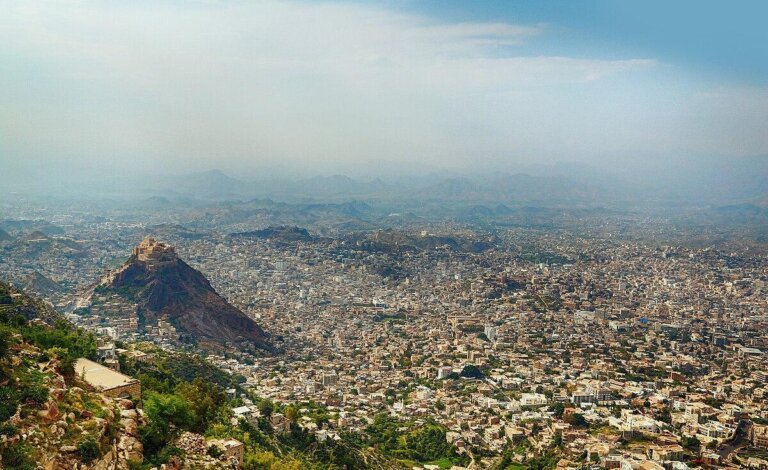
Taiz has been divided since 2015, when fighting reached the city. Control of its approaches has shifted between the parties.
Nationally, the UN humanitarian plan for 2026 puts more than 22 million people in need of assistance. It records 18.3 million as acutely food insecure.
The plan counts more than 2.2 million children under five as acutely malnourished, 516,157 of them severely. It puts the number of internally displaced people at 5.2 million.
The appeal seeks $2.16 billion to reach 12 million people.
A doctor interviewed by Human Rights Watch said his facility stopped working for three days for lack of diesel.
About the Author