Yemen and UNFPA Discuss Rebuilding Data-Driven Planning
 Yemen Herald News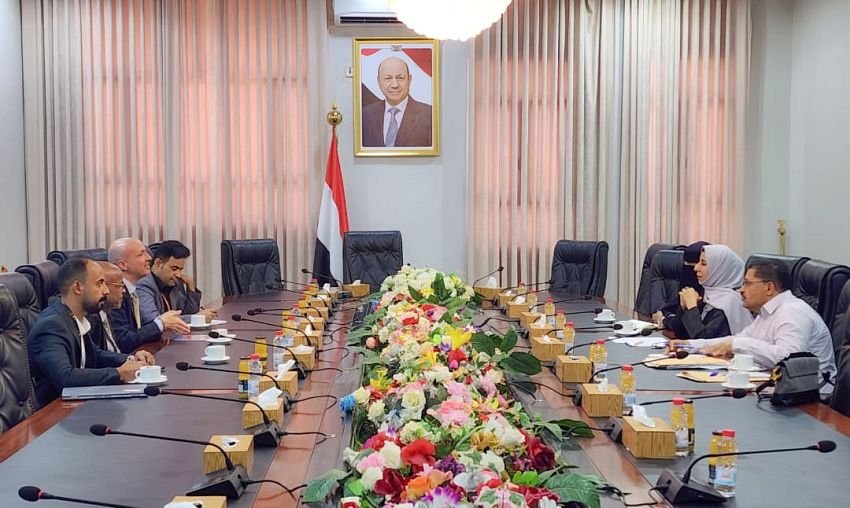
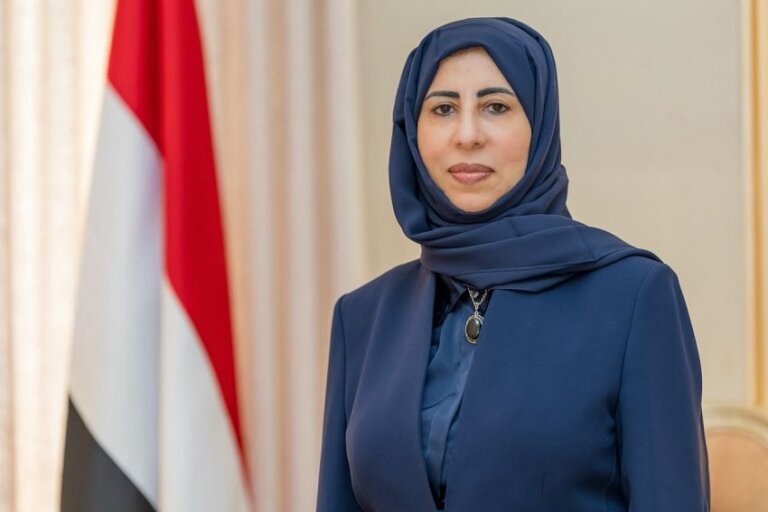
Yemen’s Planning Minister and UNFPA have discussed rebuilding the country’s data and planning capacity, in talks that reflected a broader push toward evidence-based policymaking. Dr. Afrah al-Zouba, the Minister of Planning and International Cooperation, met Francesco Galtieri, the representative of the United Nations Population Fund, in Aden to explore expanded cooperation in areas including population data, institutional capacity and support for essential public sectors.
A central theme of the discussions was the urgent need for reliable and up-to-date data to guide national decision-making. Minister al-Zouba emphasised that accurate statistics are no longer a technical luxury but a strategic necessity, arguing that in a country facing complex humanitarian and economic pressures, the absence of reliable data can significantly hinder effective policy design.
The meeting highlighted an effort by Yemen to rebuild its planning institutions amid the economic and structural challenges wrought by years of conflict. Strengthening the capacity to gather, manage and use data is central to this endeavour, providing the foundation on which sound planning and policymaking depend.
Data occupies a foundational role in the work of government and development. Reliable information about population, economic conditions and needs is essential to designing effective policies, allocating resources and monitoring outcomes, and its absence can undermine the ability of authorities to respond to challenges and to plan for the future.
In Yemen, the conflict has disrupted the systems and institutions responsible for gathering and managing data. Years of war have interrupted statistical work, strained institutions and left significant gaps in the information available to policymakers, complicating efforts to understand and respond to the country’s needs.
The emphasis on population data reflects an area of particular relevance to UNFPA, the United Nations agency concerned with population and reproductive health. Population data underpin planning across many sectors, from health and education to economic development, and support for gathering and managing such data is central to the agency’s role.
The characterisation of accurate statistics as a strategic necessity rather than a technical luxury reflects a recognition of the fundamental importance of data. In a context as complex as Yemen’s, where humanitarian and economic pressures intersect, reliable information is essential to designing responses that are effective and appropriately targeted.
Institutional capacity, another focus of the discussions, addresses the need to strengthen the bodies responsible for planning and statistics. Building the capabilities of these institutions is essential to enabling them to fulfil their functions, and support in this area can help rebuild the capacity eroded by the conflict.
The shift toward evidence-based policymaking, reflected in the discussions, represents an approach that grounds decisions in reliable information and analysis. Such an approach can enhance the effectiveness of policy by ensuring that it is based on an accurate understanding of conditions and needs, an aspiration of particular importance in a challenging environment.
The support for essential public sectors, referenced in the meeting, connects the strengthening of data and planning to the delivery of services. Effective planning, informed by reliable data, is central to the delivery of services in sectors such as health, education and social protection, linking the technical work of statistics to tangible outcomes for citizens.
Rebuilding planning institutions is part of the broader effort to strengthen the machinery of the state. Alongside other institutions weakened by the conflict, those responsible for planning and statistics require support to recover their capacity, and their effective functioning is important to the coordination and management of the country’s development.
The role of the Ministry of Planning and International Cooperation in these efforts reflects its function in coordinating development and international cooperation. The ministry works to align the contributions of partners with national priorities and to strengthen the planning that underpins development, making its engagement with UNFPA an element of this broader work.
UNFPA’s support for data and planning complements its broader engagement in Yemen, which encompasses reproductive and maternal health and the protection of women and girls. The agency’s involvement in strengthening data and institutional capacity reflects the connection between reliable information and effective responses across the sectors in which it works.
Realising the goals discussed will depend on sustained effort, resources and the rebuilding of capacity over time. Strengthening data systems and planning institutions is a long-term undertaking, and its benefits accrue gradually as capacity is restored and as the resulting information is put to use in policymaking and service delivery.
The depth of Yemen’s data gap is considerable. The country has not conducted a full population census in many years, and the demographic and social changes wrought by conflict, mass displacement, shifting settlement patterns and altered livelihoods, have rendered older figures increasingly unreliable. Planners and aid agencies alike have often been forced to work from estimates and projections, a constraint that complicates everything from the targeting of assistance to the design of long-term development strategies.
Against that backdrop, the emphasis on rebuilding statistical capacity carries implications well beyond the technical. Reliable data on who lives where, and on their needs, is the basis on which fair and efficient decisions about scarce resources are made, and its absence can entrench inequities or leave vulnerable groups overlooked. For a government seeking to demonstrate competence and to attract the confidence of donors, the ability to plan on the basis of sound evidence is itself a form of institutional credibility, and the cooperation with UNFPA was framed as a step toward restoring it.
For now, the meeting between al-Zouba and Galtieri reaffirmed the shared interest of Yemen and UNFPA in strengthening the country’s data and planning capacity. As Yemen works to rebuild its institutions and to ground its policymaking in reliable information, cooperation of this kind represents an important element of efforts to support effective planning and recovery.
About the Author