Escalating Tensions: The UAE, Kuwait, and Bahrain Under Siege Despite Iran-US Ceasefire
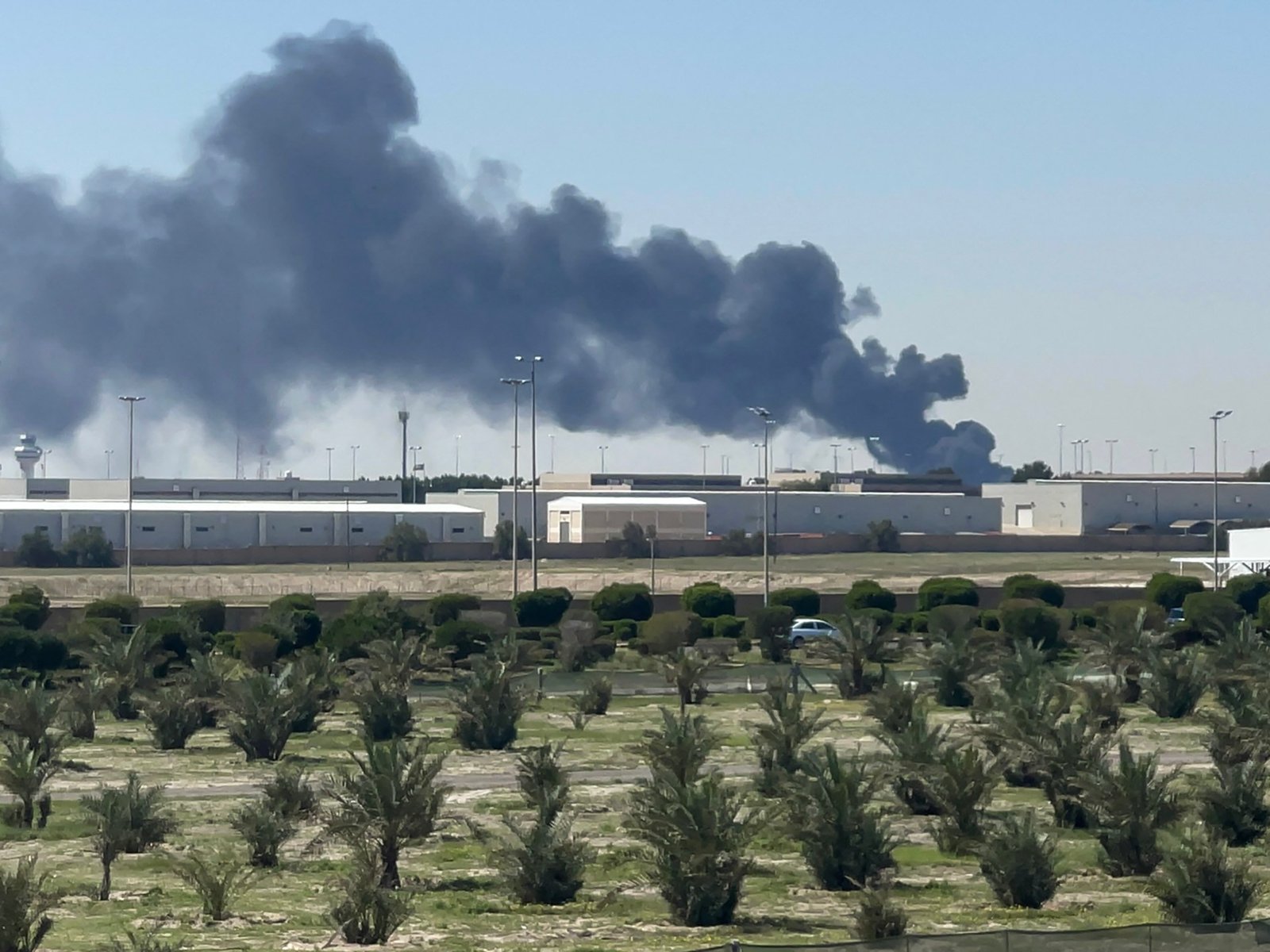
The recent missile and drone attacks on Gulf nations, occurring mere hours after a US-Iran ceasefire announcement, underscore the fragility of peace in a region long plagued by conflict. This situation not only threatens the security of the Gulf states but also has profound implications for global energy markets and geopolitical stability.
The Gulf region has been a hotbed of geopolitical tension, particularly between Iran and its Arab neighbors, exacerbated by the ongoing US-Iran rivalry. The announcement of a ceasefire between the US and Iran was seen as a potential turning point, offering a glimmer of hope for de-escalation. However, the immediate missile and drone strikes from Iran on the UAE, Kuwait, and Bahrain reveal a stark reality: the ceasefire may be more of a façade than a genuine step towards peace. The historical context of these tensions is rooted in Iran’s desire to assert its influence over the Gulf, often through proxy warfare and direct military action against its neighbors.
The immediate consequences of these attacks are multifaceted. Politically, the strikes serve to undermine the credibility of the US-Iran ceasefire, raising questions about the effectiveness of diplomatic efforts in the region. Economically, targeting oil facilities poses a direct threat to global oil market stability, particularly given that the Gulf states are major oil producers. The potential for disruptions to oil supply could lead to higher prices and greater volatility in the global market. Security-wise, these attacks signal a dangerous escalation that could provoke retaliatory measures from the Gulf states, further entrenching the cycle of violence and instability.
The strategic implications of these developments are profound. Iran’s willingness to launch attacks despite a ceasefire indicates a calculated risk to assert its dominance in the region. This move not only tests the resolve of the Gulf states but also challenges the US’s ability to maintain order and protect its allies. The decentralization of Iran’s military operations complicates the situation, as various factions may act independently, leading to further unpredictability. The risk of miscalculation is high, with the potential for a broader conflict that could engulf the region and disrupt global trade routes, particularly through the Strait of Hormuz.
Looking ahead, several scenarios could unfold. If the attacks continue, Gulf nations may feel compelled to respond militarily, leading to an escalation of hostilities. Alternatively, if diplomatic channels can be effectively utilized, there may be a chance for a more sustainable peace, albeit one fraught with challenges. The international community, particularly the US, must play a proactive role in mediating tensions to prevent further escalation. However, given the current trajectory, the likelihood of sustained conflict appears more probable than a peaceful resolution.
The recent attacks on the UAE, Kuwait, and Bahrain serve as a stark reminder of the volatility that defines the Gulf region. The fragility of the US-Iran ceasefire highlights the complexities of Middle Eastern geopolitics, where military actions often overshadow diplomatic efforts. As the situation evolves, the need for a robust and strategic response from Gulf nations and their allies becomes increasingly critical to ensure regional stability and protect vital economic interests.
About the Author