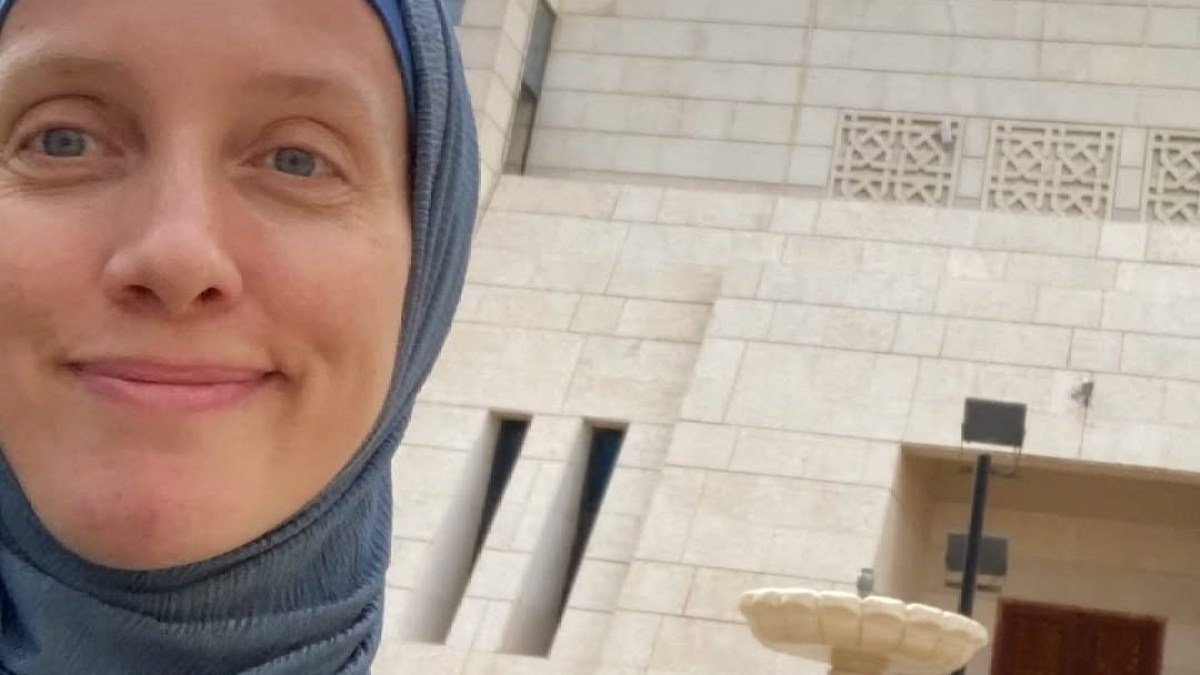
The recent release of US journalist Shelly Kittleson by the Iranian-backed militia Kataib Hezbollah is not merely a story of abduction and release; it is a critical reflection of the shifting power dynamics in Iraq and the broader Middle East. This incident underscores the precarious balance of influence among local militias, the Iraqi government, and foreign powers, particularly the United States and Iran.
The abduction of Shelly Kittleson on March 31, 2026, in Baghdad highlights the ongoing volatility in Iraq, a nation still grappling with the aftermath of years of conflict and foreign intervention. Kataib Hezbollah, a prominent Iranian-backed militia, has been a significant player in Iraq’s security landscape, often acting independently of the Iraqi government. This group has been involved in various military operations against US forces and has a history of using hostage-taking as a means to exert pressure on both the Iraqi state and foreign entities. Kittleson’s kidnapping drew immediate international condemnation, particularly from press freedom organizations, which emphasized the dangers journalists face in conflict zones.
The implications of Kittleson’s release extend far beyond her personal safety. Politically, it signals a momentary concession by Kataib Hezbollah, which may be attempting to bolster its image amid growing scrutiny from both the Iraqi public and international observers. Economically, the incident could deter foreign journalists and investors from engaging with Iraq, fearing for their safety in a landscape where armed groups wield significant power. Security-wise, the release may embolden other militias to engage in similar tactics, believing they can leverage hostages for political gain. This incident also highlights the fragility of Iraq’s security apparatus, as the government appears unable to fully control or rein in these powerful militias.
The release of Kittleson can be interpreted as a strategic maneuver by Kataib Hezbollah to navigate the increasingly complex geopolitical landscape in Iraq. With heightened tensions between the US and Iran, and the ongoing conflict involving Israeli operations against Iranian interests in the region, the militia’s actions are likely calculated to assert its relevance. The fact that Kittleson’s release was tied to the political climate in Iraq suggests that Kataib Hezbollah is keenly aware of the need to maintain a favorable public image while also demonstrating its influence over the Iraqi government. However, this incident also poses risks; the militia’s willingness to engage in hostage diplomacy could backfire, leading to increased military responses from the US or further alienation from the Iraqi populace.
Looking ahead, the situation in Iraq remains precarious. The release of Kittleson may temporarily ease tensions, but it does not resolve the underlying issues of militia power and government authority. Future scenarios could involve increased scrutiny of militia activities, potentially leading to crackdowns by Iraqi security forces. Alternatively, if Hezbollah perceives that it has successfully navigated this incident without significant repercussions, it may embolden further aggressive actions against foreign entities. The Iraqi government must also contend with the challenge of asserting its authority over these militias, which could lead to a fracturing of alliances within the Popular Mobilisation Forces. The potential for further kidnappings or violent incidents remains high, as the balance of power continues to shift.
The release of Shelly Kittleson serves as a stark reminder of the complexities of Iraq’s political landscape and the pervasive influence of Iranian-backed militias. As the region grapples with ongoing conflicts and shifting alliances, the implications of this incident will resonate far beyond the immediate circumstances. It highlights the urgent need for a cohesive strategy to address the power dynamics at play, not only for the safety of journalists and foreign nationals but for the stability of Iraq itself. The international community must remain vigilant and engaged, as the stakes in this volatile region continue to rise.
About the Author