Legal Ruling on TPS for Ethiopians: A Crucial Moment for Immigration Policy and Regional Stability
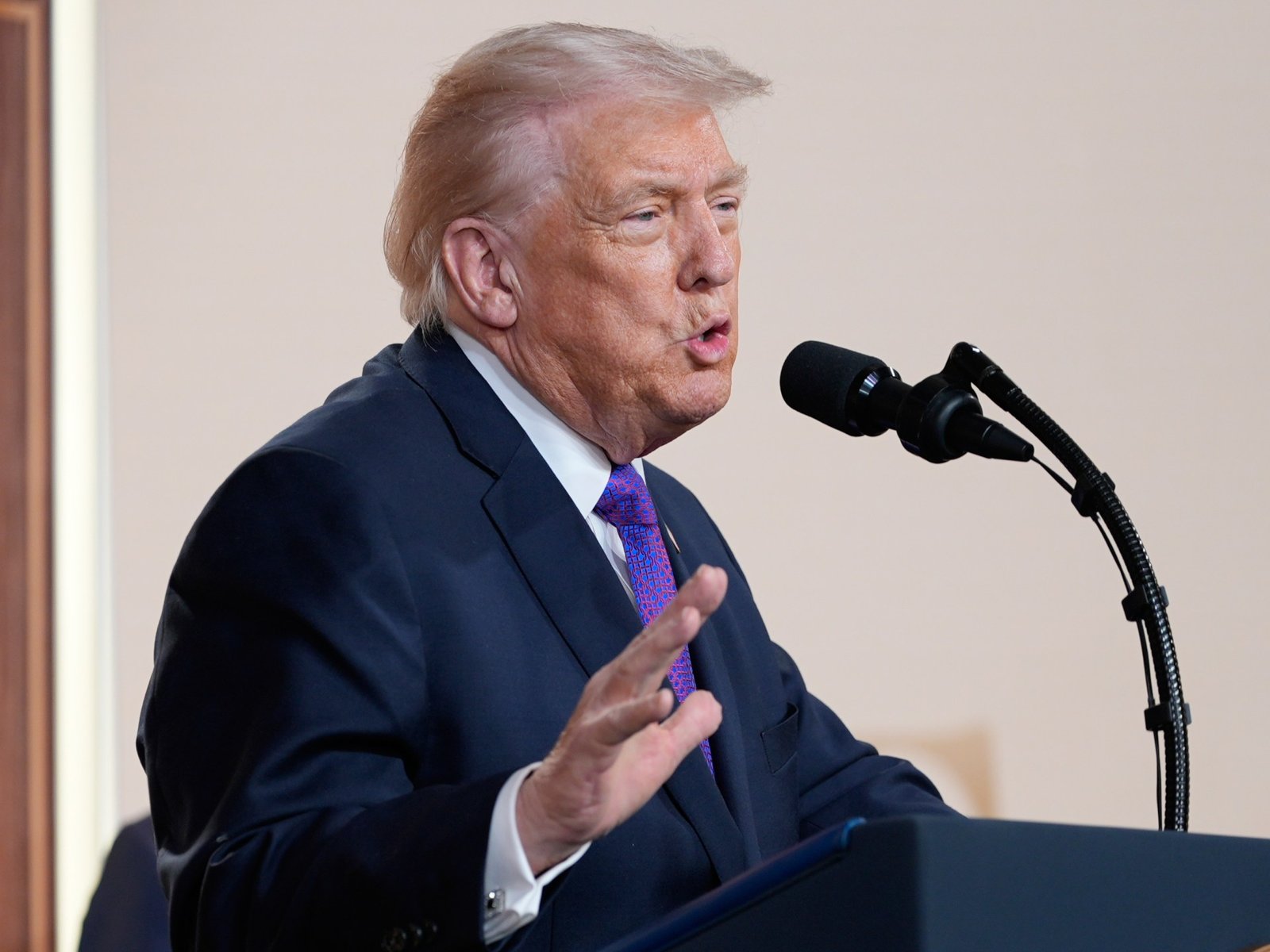
The recent federal court ruling blocking the Trump administration from revoking Temporary Protected Status (TPS) for Ethiopians is not merely a legal victory; it is a pivotal moment that underscores the intersection of U.S. immigration policy and geopolitical dynamics in the Horn of Africa. This decision has far-reaching implications for both the Ethiopian diaspora and the broader geopolitical landscape, particularly in relation to ongoing conflicts and humanitarian crises in the region.
The Horn of Africa has been a region fraught with instability, characterized by armed conflicts, political upheaval, and humanitarian crises. Ethiopia, in particular, has faced significant challenges, including civil war, ethnic tensions, and widespread displacement. The U.S. government, recognizing the dire conditions in Ethiopia, granted TPS to eligible Ethiopians in 2022, allowing them to live and work in the United States without the fear of deportation. This legal status was a response to the escalating violence and humanitarian suffering that had rendered their home country unsafe.
However, the Trump administration’s approach to immigration has been marked by a desire to roll back protections for various groups, particularly those from non-Western countries. The administration’s attempts to rescind TPS for Ethiopians, along with other nationalities, reflect a broader strategy aimed at restricting immigration and reshaping the demographic landscape of the United States. This legal battle is emblematic of the tensions between executive power and congressional authority, as highlighted by District Judge Brian Murphy’s ruling.
The ruling by Judge Murphy is significant not only for its immediate impact on the lives of approximately 5,000 Ethiopians but also for its implications for the future of TPS as a legal mechanism. The judge emphasized that the Trump administration’s actions were not only procedurally flawed but also indicative of a broader disregard for the legislative framework established by Congress. Murphy’s assertion that “the will of the President does not supersede that of Congress” reinforces the principle of checks and balances that is foundational to the U.S. legal system.
The administration’s efforts to eliminate TPS designations for 13 countries, including Ethiopia, were framed as part of a broader initiative to restore “integrity” to the immigration system. However, the court found that the executive order directing the Department of Homeland Security (DHS) to review TPS designations was based on a “pretextual” rationale, undermining the legitimacy of the review process. This ruling serves as a critical reminder that immigration policy cannot be dictated solely by executive whim but must adhere to established legal standards and humanitarian considerations.
The implications of this ruling extend beyond the immediate legal context. Politically, it represents a significant setback for the Trump administration’s immigration agenda, which has been characterized by a hardline stance against immigration from certain regions. The decision may embolden advocates for immigrant rights and humanitarian protections, potentially leading to increased pressure on the administration to reconsider its approach to TPS and other immigration policies.
Economically, the ruling has the potential to stabilize the lives of thousands of Ethiopians in the U.S., allowing them to contribute to the economy without the looming threat of deportation. This is particularly relevant given the ongoing humanitarian crisis in Ethiopia, where many individuals have family members who are directly affected by the conflict. The ability to work legally in the U.S. not only supports these individuals but also has positive ripple effects on local economies and communities.
From a security perspective, the ruling may also influence U.S. foreign policy towards Ethiopia and the Horn of Africa. By acknowledging the humanitarian needs of Ethiopian nationals, the U.S. government may be more inclined to engage diplomatically with Ethiopian authorities and support efforts aimed at resolving the underlying conflicts that have led to mass displacement and suffering.
The ruling highlights a critical juncture in U.S. immigration policy, particularly as it relates to countries experiencing significant turmoil. The decision reinforces the notion that humanitarian considerations must play a central role in shaping immigration policy, especially in the context of ongoing conflicts. As the situation in Ethiopia continues to evolve, the U.S. must navigate the complexities of its immigration system while also addressing the geopolitical realities of the Horn of Africa.
Moreover, this ruling could set a precedent for future legal challenges against the administration’s immigration policies, particularly as they pertain to TPS. The judiciary’s willingness to uphold the rights of vulnerable populations may embolden further legal actions aimed at protecting immigrant communities from arbitrary deportation and exclusion.
In the wake of this ruling, several scenarios could unfold. The Trump administration may choose to appeal the decision, which could prolong the legal battle and create uncertainty for TPS holders. Alternatively, the administration might reassess its approach to TPS and immigration policy more broadly, potentially leading to a more nuanced stance that balances security concerns with humanitarian obligations.
As the situation in Ethiopia remains precarious, the U.S. government will likely face increasing pressure to address the root causes of the conflict and support diplomatic efforts aimed at fostering stability in the region. This could involve increased humanitarian aid, diplomatic engagement, and a reevaluation of immigration policies that prioritize the needs of those fleeing violence and persecution.
The ruling blocking the Trump administration from revoking TPS for Ethiopians is a significant legal and humanitarian victory that underscores the importance of adhering to established legal frameworks in immigration policy. As the U.S. navigates its role in the Horn of Africa, this decision serves as a reminder that immigration policy must be informed by compassion and a commitment to human rights. The implications of this ruling extend far beyond the courtroom, shaping the lives of thousands and influencing the geopolitical landscape of a region in turmoil.
About the Author