Germany’s Summoning of the Russian Ambassador: A Defining Moment in European Geopolitics
 Yemen Herald News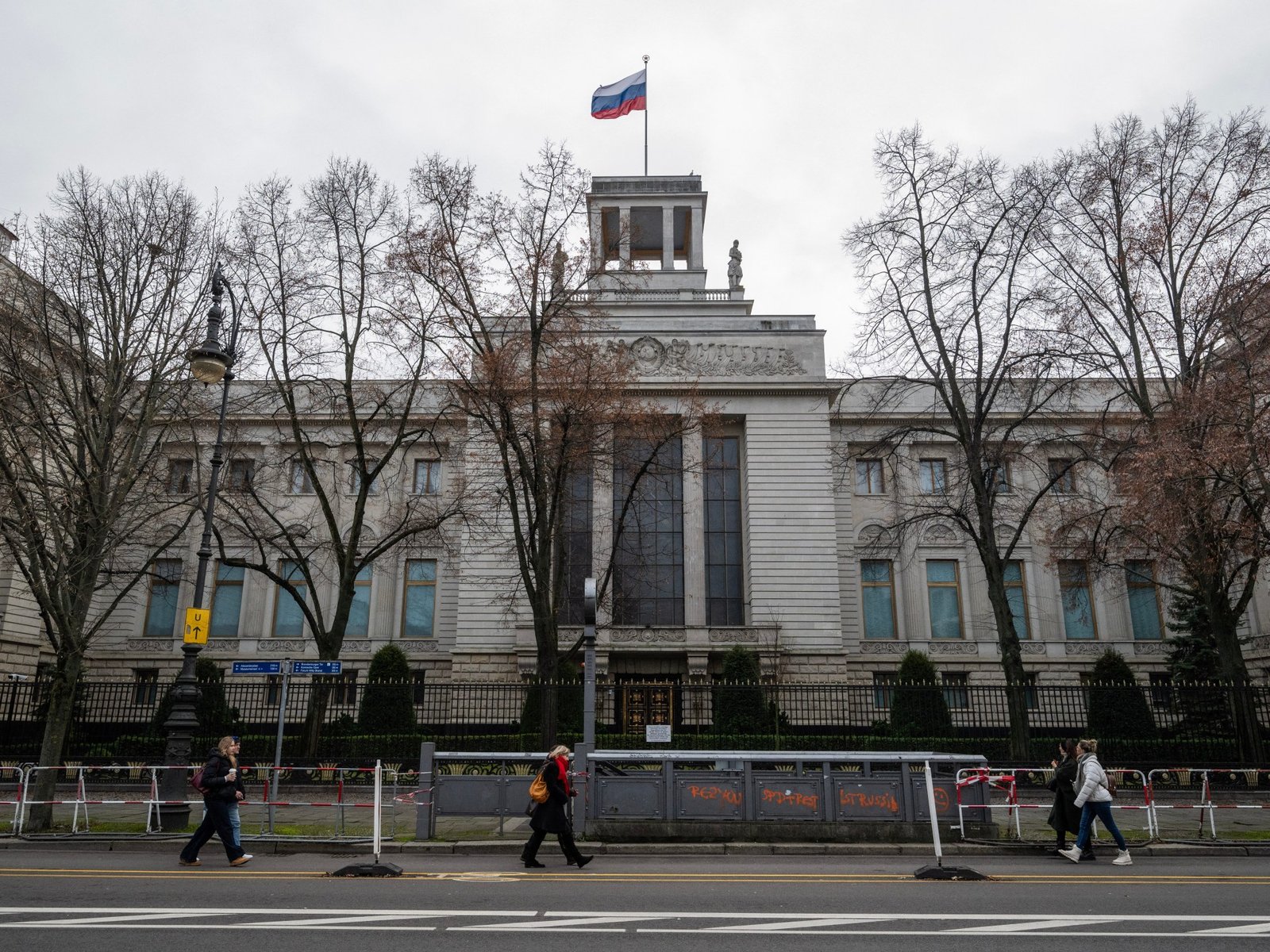
The recent summoning of the Russian ambassador by Germany marks a significant escalation in the geopolitical tensions surrounding the Ukraine conflict. This action not only underscores Berlin’s commitment to supporting Ukraine but also highlights the broader implications for European security and unity in the face of Russian aggression.
The backdrop of this diplomatic confrontation is rooted in the ongoing war in Ukraine, which has seen Russia’s military actions provoke widespread condemnation and a unified response from Western nations. Germany, historically cautious in its foreign policy, has shifted towards a more assertive stance, particularly in light of the threats posed by Russia. The summoning of the ambassador comes in response to vague yet alarming threats from Moscow, which Berlin interprets as an attempt to undermine its support for Ukraine and test the resolve of European allies. This incident is not an isolated event but rather part of a broader pattern of Russian intimidation tactics aimed at destabilizing the West’s unified front against its aggression.
The implications of this diplomatic spat extend far beyond the immediate threats. Politically, Germany’s actions signal a robust commitment to NATO and the European Union’s collective security framework. Economically, the potential targeting of German companies involved in defense production could disrupt supply chains and impact the broader European defense industry. Security-wise, the threats from Russia could lead to increased military readiness among European nations, further straining relations with Moscow. The situation also raises questions about the efficacy of diplomatic channels in addressing aggression, as the Kremlin appears undeterred by conventional diplomatic norms.
From a strategic perspective, this incident reveals the shifting power dynamics in Europe. Germany’s willingness to confront Russia directly reflects a broader awakening among European nations to the realities of Russian aggression. The strategic defense partnership between Ukraine and Germany, which includes cooperation in drone production and air defense, represents a significant shift in military collaboration that could alter the balance of power in the region. However, this also poses risks; as Germany becomes more involved in Ukraine’s defense, it may find itself increasingly targeted by Russian reprisals, both in the form of cyberattacks and potential military threats.
Looking ahead, several scenarios could unfold. If Germany continues to strengthen its military ties with Ukraine, we may see a further escalation of tensions with Russia, potentially leading to direct confrontations. Conversely, if diplomatic efforts are made to de-escalate the situation, there is a risk that Russia may perceive this as a sign of weakness and increase its aggressive posturing. The European Union must remain vigilant and united in its response to Russian threats, as any sign of division could embolden Moscow. The coming weeks will be crucial in determining whether Germany’s firm stance will lead to a more secure Europe or further entrench the continent in a cycle of conflict.
The summoning of the Russian ambassador by Germany is a pivotal moment in the ongoing geopolitical struggle between Russia and the West. It underscores the need for European nations to stand united against aggression and reinforces the importance of military cooperation in the face of existential threats. As the situation evolves, it will be essential for Germany and its allies to navigate this complex landscape with both resolve and strategic foresight, ensuring that the lessons of history are not forgotten in the pursuit of peace and stability in Europe.
About the Author