The Dangerous Dance of Allegiance: Sehnaoui’s Support for Israel Amidst Lebanon’s Turmoil
 Yemen Herald News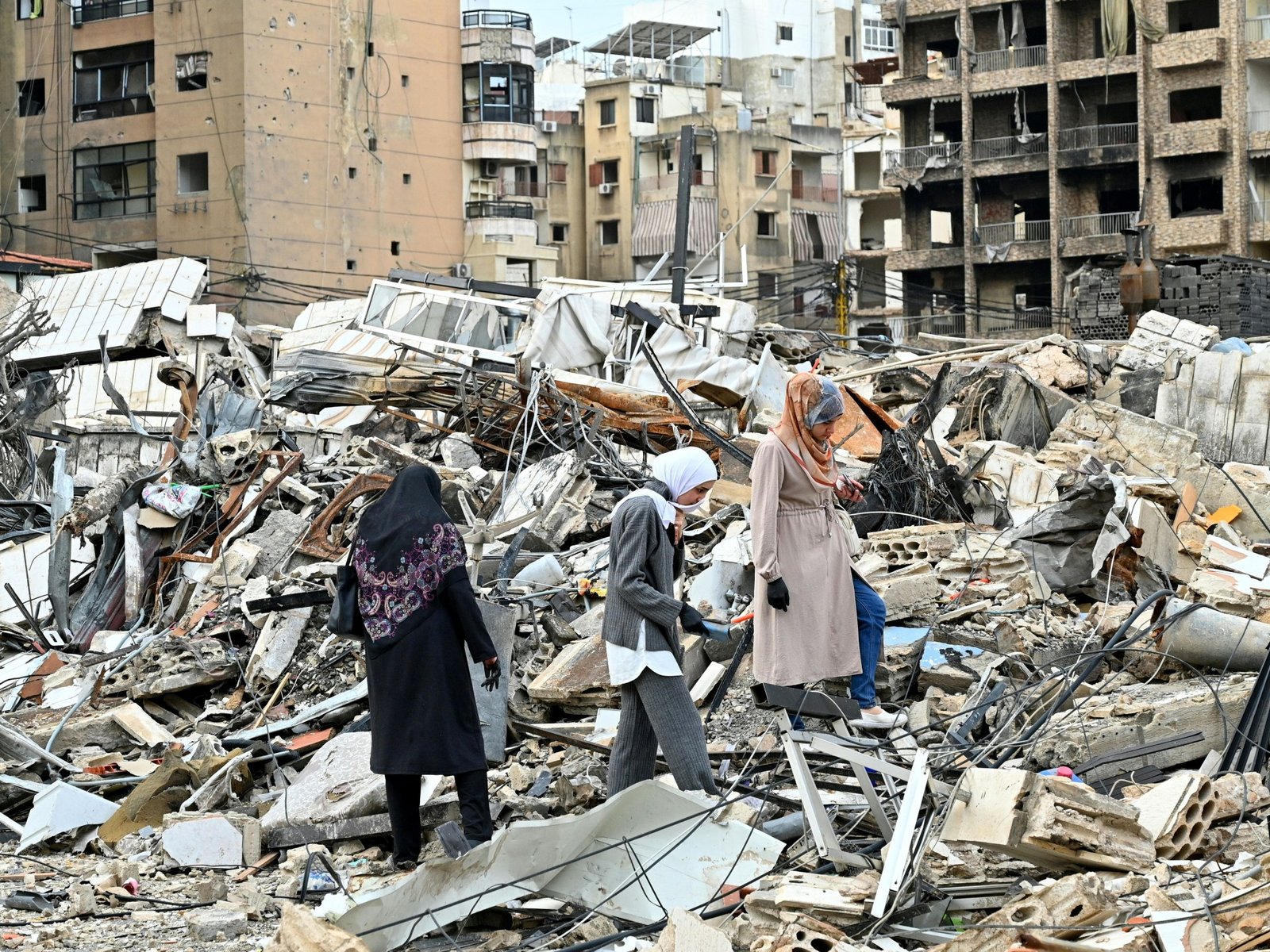
The recent public praise for Lebanese banker Antoun Sehnaoui’s support for Israel, even as his homeland suffers under Israeli military actions, underscores a profound and troubling rift within Lebanese society. This controversy is not merely a personal affair; it reflects deeper geopolitical currents that could reshape Lebanon’s political landscape and its relations with Israel.
Lebanon has long been a battleground for competing ideologies and foreign interventions, with its complex sectarian makeup often exacerbating tensions. The current conflict, reignited by Israel’s military operations in Lebanon, has resulted in significant civilian casualties and displacement. Senaoui, a prominent figure in Lebanon’s banking sector and chairman of Societe Generale de Banque au Liban (SGBL), has familial ties to Christian Zionism, a stance that has historically aligned him with Israeli interests. His recent actions, including funding a US-Israeli opera project, have drawn ire from many Lebanese who view such support as a betrayal during a time of national crisis.
Sehnaoui’s attendance at an event at the United States Holocaust Memorial Museum, where he was lauded by Morgan Ortagus, a former US Middle East envoy, has sparked outrage. Ortagus’s framing of support for Israel as an act of “moral clarity” amidst personal risk only intensified the backlash. Critics point out that Sehnaoui’s actions are not only controversial but also technically illegal under Lebanese law, which prohibits dealings with Israeli entities. This situation is further complicated by the historical context of his family’s involvement with Israeli-aligned militias during Lebanon’s civil war, particularly the Lebanese Forces, which were implicated in the Sabra and Shatila massacres.
The ramifications of Sehnaoui’s actions extend beyond personal reputation; they threaten to destabilize Lebanon’s already fragile political environment. The ongoing Israeli military campaign has displaced approximately one million people, exacerbating sectarian tensions and humanitarian crises. As public outrage mounts against Sehnaoui, the potential for increased polarization within Lebanese society grows. His support for Israel, juxtaposed against the backdrop of widespread suffering, could galvanize anti-Israeli sentiment and further alienate segments of the population that feel betrayed by their elites.
Senaoui’s position as a leading banker gives him significant influence over Lebanon’s financial and political spheres. However, his alignment with Israeli interests raises questions about the future of Lebanese sovereignty and the potential normalization of relations with Israel. Critics argue that his actions are not merely personal but strategic moves to secure immunity from legal troubles, both domestically and internationally. The ongoing investigations into SGBL for alleged money laundering and connections to Hezbollah complicate its standing. As Lebanon grapples with its identity and future direction, Sehnaoui’s actions could be seen as a litmus test for the broader acceptance of normalization with Israel among Lebanon’s political elite.
Looking ahead, the fallout from Sehnaoui’s public support for Israel is likely to intensify. As the ceasefire holds, albeit tenuously, the Lebanese populace will be forced to confront the reality of their leaders’ allegiances. The potential for increased protests and civil unrest is high, particularly if the government fails to address the humanitarian needs of those displaced by the conflict. Furthermore, the international community’s response to Lebanon’s internal divisions will play a crucial role in shaping the country’s future. Should normalization with Israel proceed without addressing the grievances of the Lebanese people, it could lead to a significant backlash against both the government and figures like Sehnaoui.
In conclusion, Antoun Sehnaoui’s public endorsement of Israel amidst Lebanon’s suffering is emblematic of a deeper crisis within the country. As Lebanon navigates the treacherous waters of sectarianism, foreign influence, and national identity, the actions of its elite will be scrutinized more than ever. The potential for a shift in public sentiment against those perceived as traitors to the Lebanese cause is palpable. The coming months will be critical in determining whether Lebanon can reconcile its internal divisions or if it will succumb to further fragmentation fueled by external pressures and internal betrayals.
About the Author