Record Number of Rohingya Refugees Died at Sea: A Humanitarian Crisis Unfolding
 Yemen Herald News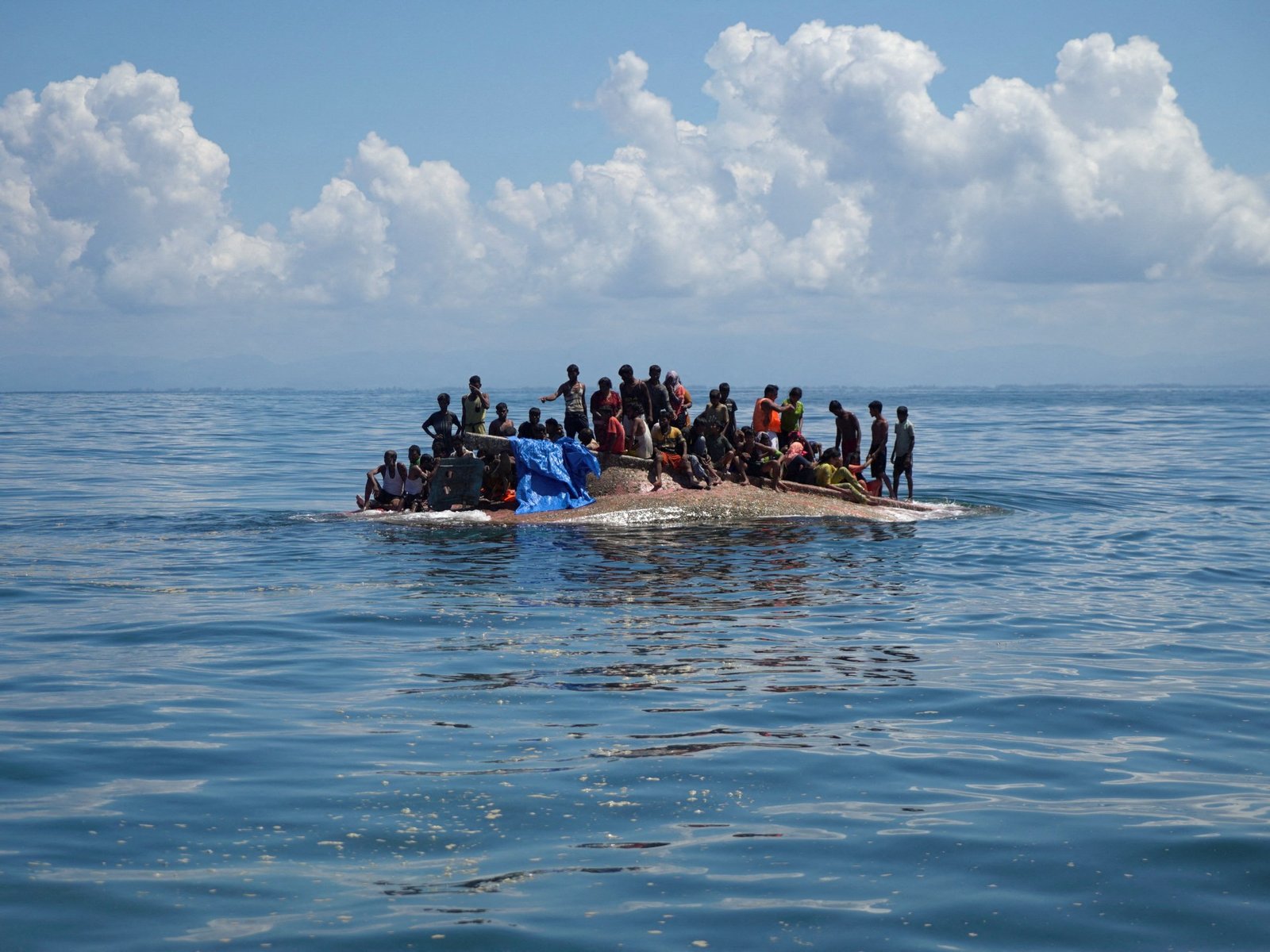
The alarming rise in Rohingya refugee deaths at sea is not merely a statistic; it represents a profound humanitarian crisis that demands urgent international attention and action. The UNHCR’s recent report highlights a tragic reality that underscores the failures of regional governance and international response mechanisms.
The Rohingya, a Muslim minority group in Myanmar, have faced systematic persecution and ethnic cleansing since 2017, leading to the displacement of hundreds of thousands into neighboring Bangladesh. The refugee camps in Cox’s Bazar, while providing temporary shelter, are plagued by overcrowding, inadequate resources, and a lack of sustainable solutions. The dire humanitarian situation has been exacerbated by funding shortfalls, limiting access to essential services such as education and healthcare. As conditions worsen, desperation drives many to undertake perilous sea journeys, often resulting in tragic outcomes.
In 2025, nearly 900 Rohingya refugees were reported dead or missing while attempting to cross the Bay of Bengal and the Andaman Sea, marking the deadliest year on record for maritime movements in the region. The UNHCR’s spokesperson, Babar Baloch, described these waters as an “unmarked graveyard” for thousands of desperate individuals. The ongoing conflict in Myanmar, coupled with the absence of citizenship and the lack of viable return options, has left many Rohingya with no choice but to risk their lives at sea. This year alone, over 2,800 Rohingya have embarked on similar journeys, primarily from Cox’s Bazar and Rakhine State, in hopes of reaching Malaysia or Indonesia.
The implications of this crisis extend beyond the immediate humanitarian concerns. Politically, the plight of the Rohingya has strained relations between Myanmar and its neighbors, particularly Bangladesh, which is bearing the brunt of the refugee influx. Economically, the situation poses challenges for regional stability, as countries grapple with the costs associated with hosting large refugee populations. Security-wise, the vulnerability of Rohingya women and children to trafficking and exploitation during these sea crossings raises alarms about human rights violations and the need for enhanced protective measures. The international community’s failure to address the root causes of this crisis only perpetuates the cycle of suffering and instability.
The Rohingya crisis is emblematic of broader geopolitical dynamics in Southeast Asia, where issues of migration, human rights, and national sovereignty intersect. The reluctance of regional powers to intervene decisively reflects a complex interplay of domestic politics and international diplomacy. As the situation deteriorates, the risk of increased radicalization among disenfranchised Rohingya youth grows, potentially destabilizing the region further. Moreover, the ongoing humanitarian disaster poses a moral challenge to the international community, which must reconcile its principles of human rights with the geopolitical realities of state sovereignty and regional security.
Looking ahead, the trajectory of the Rohingya crisis will depend on several factors, including the political will of regional governments to cooperate on humanitarian solutions and the international community’s commitment to addressing the underlying causes of displacement. Without significant intervention, the death toll at sea is likely to rise as desperate individuals continue to seek refuge from persecution. Potential scenarios include increased pressure on ASEAN to formulate a cohesive response, or a shift in international policy that prioritizes humanitarian aid and resettlement options for Rohingya refugees. But without a concerted effort to stabilize Myanmar and ensure the safety of the Rohingya, the cycle of tragedy is poised to continue.
The record number of Rohingya deaths at sea is a stark reminder of the urgent need for a comprehensive and humane response to one of the world’s most pressing humanitarian crises. As the international community grapples with the complexities of migration and human rights, it must not lose sight of the human lives at stake. The time for decisive action is now; failure to act will only deepen the tragedy and further entrench the suffering of the Rohingya people.
About the Author