FIFA’s Referee Scandal: A Crisis of Integrity Ahead of the World Cup
 Yemen Herald News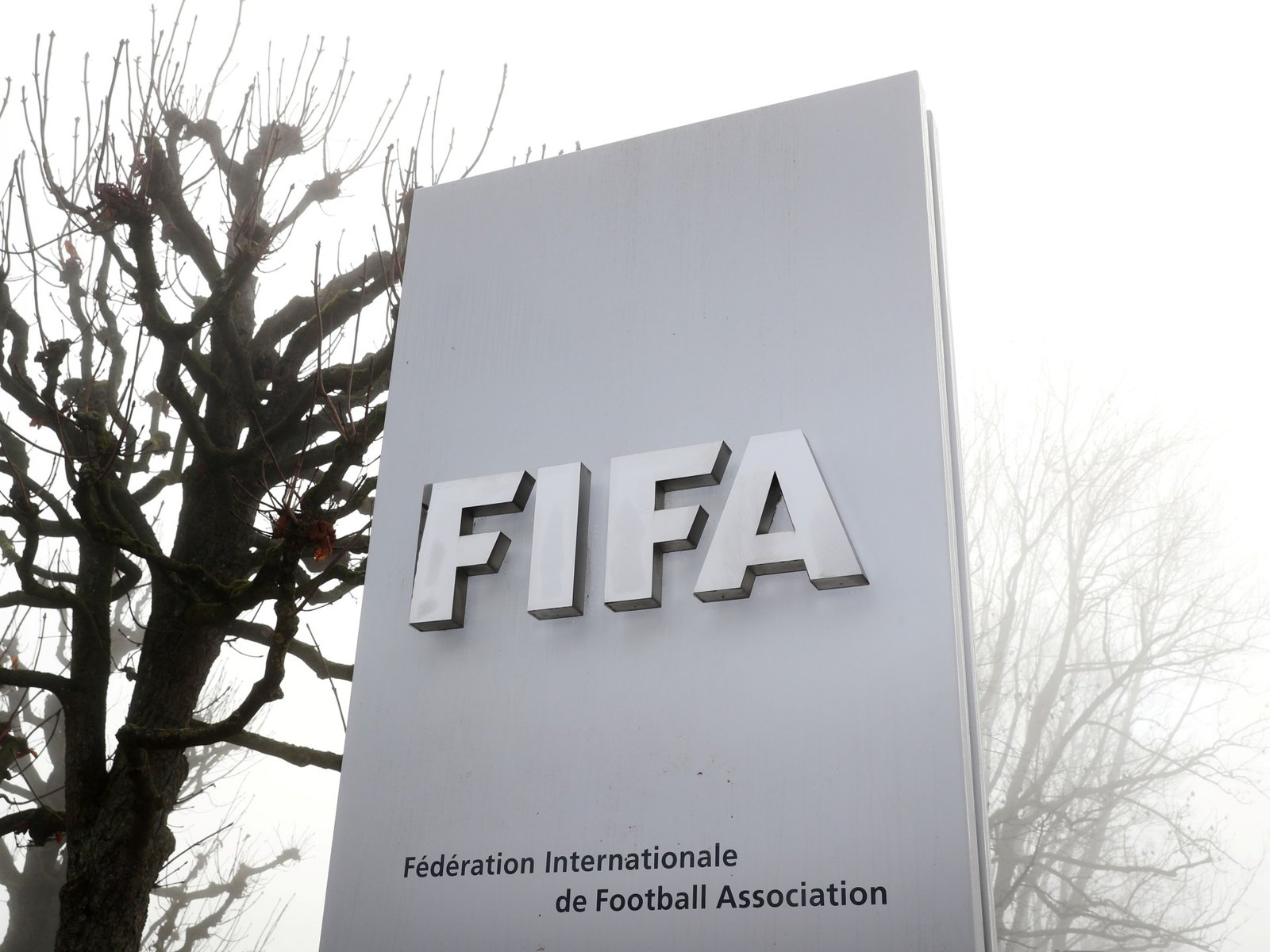
The recent arrest of a football referee in the UK for alleged sexual assault has sent shockwaves through the sports world, raising critical questions about the integrity of officiating in the upcoming World Cup. This incident not only tarnishes FIFA’s reputation but also highlights vulnerabilities within the organization as it prepares for one of the most significant global sporting events.
The world of football is no stranger to controversy, but the implications of this latest scandal are particularly severe. FIFA, the governing body of international football, has been under scrutiny for years due to various corruption allegations, ranging from bribery to mismanagement. The upcoming World Cup, set to take place in North America, is a monumental event that requires the utmost integrity from its officials. The arrest of a match official, who was poised to participate in this prestigious tournament, raises alarms about the vetting processes and ethical standards upheld by FIFA and UEFA. The incident is not just an isolated event; it reflects a broader systemic issue within the sport that demands urgent attention.
The ramifications of this scandal extend far beyond the immediate consequences for the referee involved. Politically, FIFA’s reputation is at stake; the organization must navigate the delicate balance between protecting its officials and addressing public outrage. Economically, the fallout could affect sponsorship deals and viewership, as fans may question the tournament’s integrity. Security concerns also arise, as the incident could lead to increased scrutiny of match officials and their backgrounds, potentially complicating the selection process for the World Cup. The psychological impact on players and teams cannot be overlooked either; the shadow of this scandal may affect their performance and focus as they prepare for the tournament.
This incident serves as a critical juncture for FIFA, presenting both risks and opportunities. On one hand, the organization must confront the reality of its internal culture and the systemic issues that allow such incidents to occur. This could lead to a reevaluation of its policies regarding referee selection and training, emphasizing the need for rigorous background checks and ethical training. On the other hand, FIFA has the opportunity to emerge from this crisis with a renewed commitment to integrity and transparency, potentially restoring some of the trust that has been eroded over the years. However, failure to address these issues adequately could result in a significant loss of credibility, not just for FIFA, but for the sport as a whole.
As the investigation unfolds, several scenarios could play out. If the allegations are substantiated, FIFA may face increased pressure to implement sweeping reforms in its officiating protocols. This could include the establishment of an independent oversight body to monitor referee conduct and ensure accountability. Alternatively, if the referee is exonerated, the focus may shift to the broader implications of how such allegations are handled within the sport. Regardless of the outcome, the incident will likely prompt discussions about the need for cultural change within FIFA and the football community at large, emphasizing the importance of safeguarding the integrity of the game.
Conclusion
The arrest of a World Cup referee for alleged sexual assault is a stark reminder of the vulnerabilities within FIFA and the broader football community. As the organization grapples with this crisis, it must prioritize transparency and accountability to restore faith among fans, players, and stakeholders. The upcoming World Cup is not just a celebration of sport; it is a test of FIFA’s commitment to integrity and ethical conduct. The world will be watching closely, and the stakes have never been higher.
About the Author