Maldives Police Raid News Outlet: A Dangerous Precedent for Press Freedom
 Yemen Herald News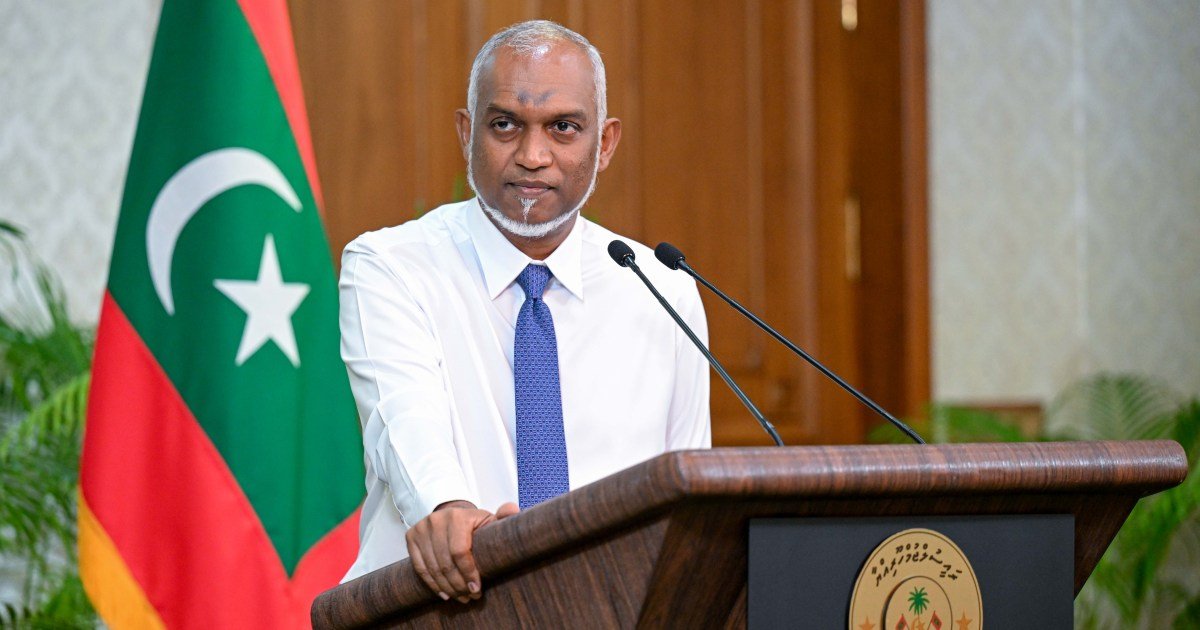
The recent police raid on the Maldivian news outlet Adhadhu Online marks a significant escalation in the government’s crackdown on press freedom, revealing the precarious state of democracy in the Maldives. This incident not only threatens the integrity of journalism in the country but also raises alarms about the broader implications for civil liberties in the region.
The Maldives, an archipelago known for its stunning resorts and vibrant marine life, has been grappling with political instability and authoritarian tendencies in recent years. The election of President Mohamed Muizzu, who has been accused of fostering a climate of fear and repression, has intensified concerns over the erosion of democratic norms. The recent raid on Adhadhu Online, which followed the publication of a documentary alleging an affair involving the president, underscores the lengths to which the government will go to silence dissent and control the narrative. This incident is not an isolated event; it is part of a broader pattern of hostility towards independent media in a nation where freedom of expression is increasingly under siege.
The implications of this raid extend far beyond the immediate consequences for Adhadhu Online. It represents a significant threat to the already fragile state of press freedom in the Maldives. The government’s use of the religiously rooted law of “qazf,” which criminalizes false accusations of adultery, to target journalists is particularly concerning. This not only criminalizes investigative journalism but also weaponizes religious laws to suppress dissent. The international community must recognize that such actions are not merely domestic issues; they reflect a broader trend of authoritarianism that could inspire similar tactics in other nations within the region. The Maldives’ strategic location in the Indian Ocean, coupled with its tourism-dependent economy, means that the implications of this crackdown could resonate beyond its shores, affecting regional stability and international relations.
The raid on Adhadhu Online is emblematic of a larger struggle for power and control in the Maldives. As President Muizzu consolidates his authority, the risks associated with dissent grow exponentially. The government’s actions are not just about silencing one news outlet; they are a clear signal to all media entities that any challenge to the status quo will be met with severe repercussions. This creates an environment of fear that stifles critical reporting and undermines the role of the press as a watchdog of democracy. Furthermore, the Maldives’ relationship with international partners, particularly those advocating for human rights and democratic governance, may be jeopardized if these trends continue unchecked. The potential for increased isolation from the global community looms large, as does the risk of domestic unrest fueled by public discontent over government repression.
Looking ahead, the situation in the Maldives is precarious. The government’s crackdown on Adhadhu Online could provoke a backlash from civil society and international observers, leading to increased scrutiny of Muizzu’s administration. However, the regime’s willingness to employ authoritarian measures suggests that it may double down on its repressive tactics rather than relent. The potential for further raids on media outlets and increased censorship is high, as the government seeks to maintain control over the narrative. In this context, the resilience of Maldivian journalists and their commitment to uncovering the truth will be tested. The international community must remain vigilant and responsive, leveraging diplomatic channels to advocate for press freedom and human rights in the Maldives.
The raid on Adhadhu Online is a stark reminder of the fragility of press freedom in the Maldives and the broader implications for democracy in the region. As the government continues to suppress dissent and intimidate journalists, the future of independent media hangs in the balance. Both domestic and international actors must stand in solidarity with those fighting for the truth, ensuring that the voices of the press are not silenced. The Maldives must not become a cautionary tale of authoritarianism; instead, it should strive to uphold the principles of democracy and freedom of expression that are essential for a just society.
About the Author