Gretchen Walsh’s Record-Breaking Swim: A New Era in Competitive Swimming
 Yemen Herald News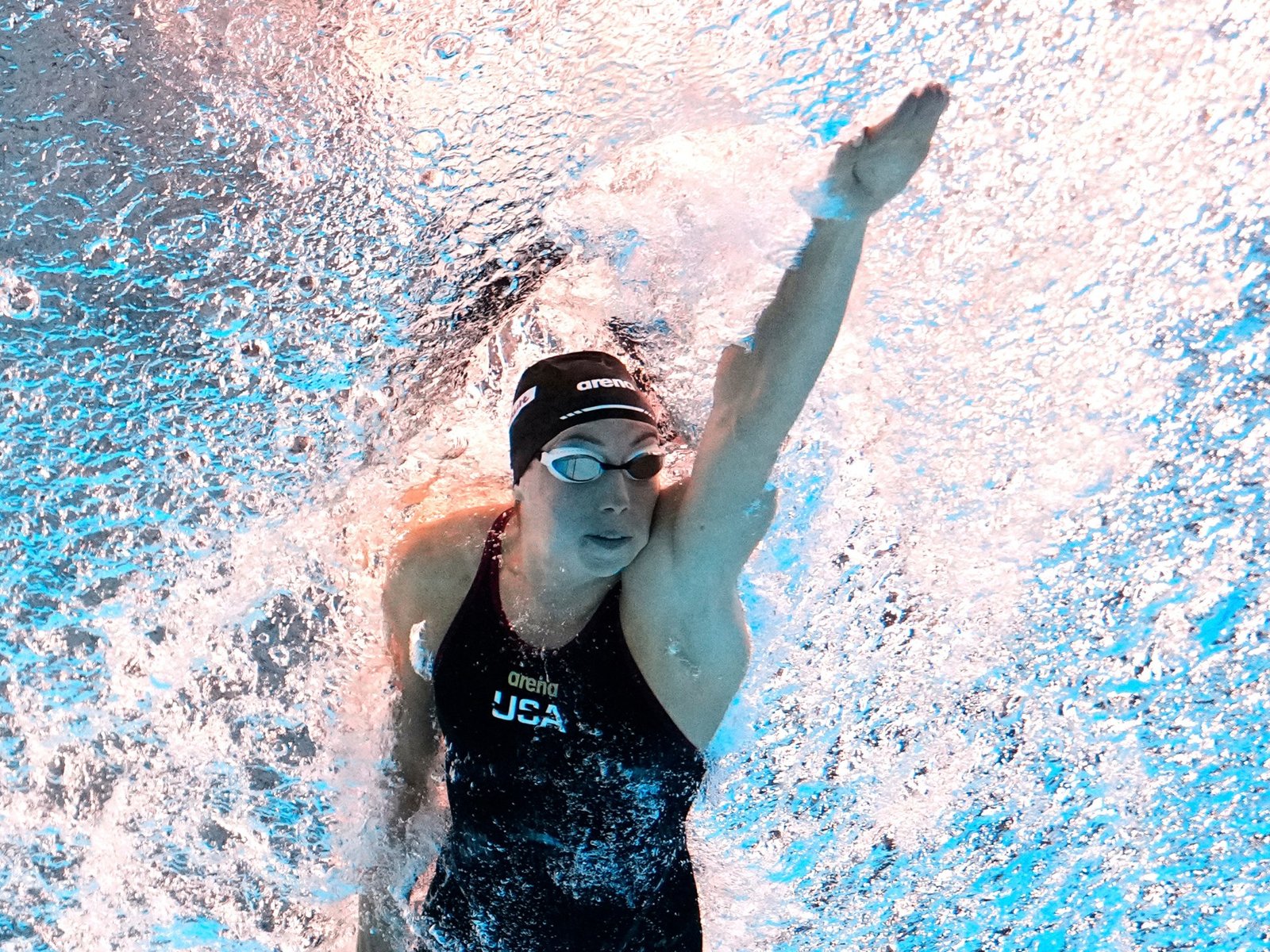
The recent performance of American swimmer Gretchen Walsh, who shattered her own world record in the 100m butterfly, is not merely a personal triumph; it signifies a seismic shift in the landscape of competitive swimming. This achievement raises critical questions about the future of the sport, the evolution of athletic performance, and the implications for international competition.
Swimming has long been a battleground for records and national pride, with the 100m butterfly serving as a marquee event that showcases speed, technique and endurance. Historically dominated by a select few, the event has seen a surge in talent and competitiveness in recent years. Gretchen Walsh’s rise to prominence is emblematic of this trend. Her recent victory at the Fort Lauderdale Open, where she clocked an astonishing 54.33 seconds, is the culmination of years of dedication and training, reflecting not only her personal journey but also the broader evolution of swimming as a sport. The previous record of 54.60 seconds, which she set in the same pool, has now been eclipsed, marking a new chapter in the annals of swimming history.
Walsh’s latest record-breaking swim was her fourth time lowering the world record, a feat that underscores her dominance in the event. At the Fort Lauderdale Open, she not only surpassed her own record but also did so by an unprecedented margin in recent competitive history. The implications of her performance extend beyond mere numbers; they signal a potential shift in the competitive dynamics of women’s swimming. With Walsh now more than a second faster than her closest competitor, Sweden’s Sarah Sjostrom, the gap between the elite and the rest is widening. This development raises questions about the training methodologies, technological advancements in swimwear, and the psychological aspects that contribute to such extraordinary performances.
The ramifications of Walsh’s achievement are multifaceted. Politically, her success can be seen as a reflection of the United States’ continued dominance in swimming on the world stage, particularly as the nation prepares for upcoming international competitions. Economically, her record may boost sponsorship opportunities not only for herself but also for the sport as a whole, attracting more investment and interest in swimming programs across the country. Furthermore, the psychological impact on competitors cannot be understated; Walsh’s consistent record-breaking may instill a sense of inevitability among her rivals, potentially stifling their confidence and performance. As the competitive landscape shifts, the pressure mounts on other swimmers to innovate and adapt, leading to a potential arms race in training and performance enhancement.
From a strategic standpoint, Walsh’s performance highlights the importance of adaptability in competitive sports. As athletes like Walsh continue to push the boundaries of what is possible, the sport itself must evolve. This includes not only advancements in training techniques and technology but also a reevaluation of the competitive framework that governs swimming. The emergence of new talent, such as world junior record holder Claire Curzan, indicates that the future of swimming may be more competitive than ever. But with Walsh setting such a high bar, the question remains: how will the sport respond to this new reality? The risk of stagnation looms large if the governing bodies fail to foster an environment that encourages innovation and supports emerging athletes.
Looking ahead, several scenarios could unfold in the wake of Walsh’s record. First, we may see a surge in young swimmers inspired by her achievements, leading to a new generation of talent that could challenge existing records. This could result in a more competitive field, particularly as athletes from countries with emerging swimming programs seek to make their mark on the international stage. Additionally, the focus on mental conditioning and psychological resilience will likely become more pronounced, as competitors strive to overcome the mental barriers posed by Walsh’s dominance. Finally, the potential for further advancements in swimwear technology and training methodologies could redefine the limits of human performance in the sport.
Gretchen Walsh’s recent world record is not just a personal milestone; it is a clarion call for the future of competitive swimming. As she continues to redefine the standards of excellence, the sport must adapt to the new realities of competition. The implications of her achievements extend beyond the pool, influencing the economic, political, and psychological dimensions of swimming. The world will be watching closely as Walsh and her competitors navigate this new landscape, and the outcomes will undoubtedly shape the future of the sport for years to come.
About the Author