Women’s Affairs Minister and UK Ambassador Discuss Women’s Empowerment
 Yemen Herald News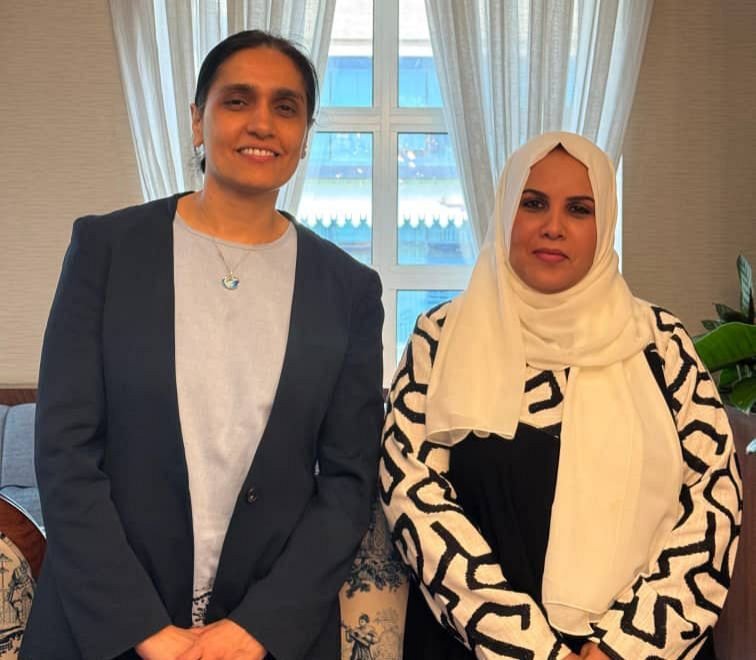
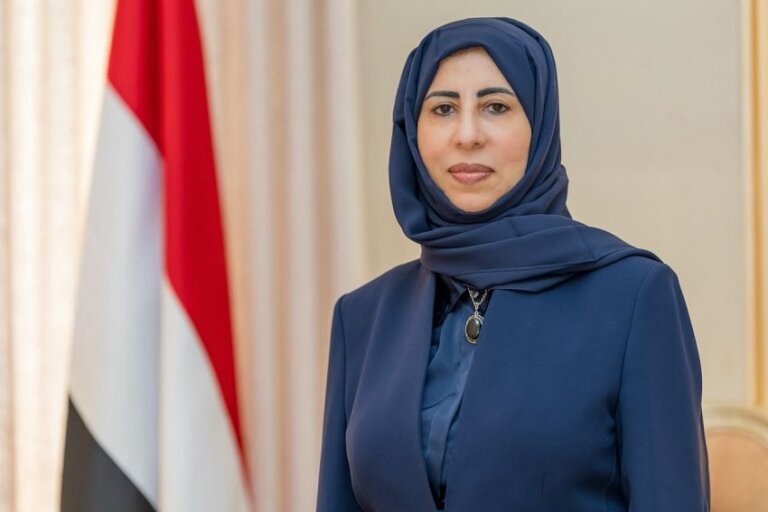
Yemen’s Women’s Affairs Minister and the UK ambassador have discussed women’s empowerment, in talks that reflected a growing recognition of the role of women in the country’s recovery and in the fostering of peace. The Minister of State for Women’s Affairs met the British Ambassador to explore cooperation aimed at supporting women in a country grappling with protracted conflict.
The conflict in Yemen has created one of the world’s most severe humanitarian crises, and women have borne much of the brunt of its consequences. Historically facing barriers to their participation in economic, political and social life, Yemeni women have seen these challenges compounded by the war, which has deepened their vulnerability and constrained their opportunities.
The discussions underscored the need for international support in advancing the empowerment of women. With the challenges facing women considerable and the resources available limited, cooperation with international partners such as the United Kingdom can help extend the reach and impact of efforts to support women and to promote their participation.
The role of women in rebuilding society and fostering peace has been increasingly recognised as essential. Beyond their role in sustaining families and communities during the conflict, women represent a significant resource for recovery and for peacebuilding, and their inclusion is widely regarded as important to effective and durable progress.
The systemic barriers facing Yemeni women reflect longstanding challenges as well as the effects of the conflict. Obstacles to women’s participation in economic, political and social spheres have historically constrained their opportunities, and the war has exacerbated these challenges, deepening the marginalisation that many women face.
The empowerment of women encompasses efforts to enhance their participation, opportunities and protection. Enabling women to take part more fully in the economic, social and political life of the country is regarded as important both for their own wellbeing and for the broader recovery and development of Yemen.
The linkage of women’s empowerment to stability and peace reflects an international consensus on the importance of women’s participation. The recognition that women have a vital role to play in building and sustaining peace has become a prominent theme in international approaches to conflict, and it resonates in the Yemeni context.
The United Kingdom has been among the international partners engaged with Yemen, and its support for women’s issues reflects the interest of partners in this area. Cooperation of the kind discussed can provide resources, expertise and encouragement for empowerment initiatives, complementing the efforts of the government and of Yemeni women themselves.
The consequences of the conflict for women have been severe, encompassing heightened risks of violence, poverty and exclusion. The breakdown of protections, the pressures of displacement and hardship and the disruption of social structures have exposed women to particular dangers, making support for their protection and empowerment especially important.
The participation of women in decision-making, an aspect of empowerment, is widely regarded as important both as a matter of principle and for practical reasons. Inclusive decision-making tends to produce outcomes that better reflect the needs of the whole population, and the involvement of women can contribute to more equitable and sustainable results.
The economic dimension of women’s empowerment is significant in the Yemeni context. Access to economic opportunities and resources enables women to support themselves and their families and to participate in economic life, and expanding such opportunities is important to their empowerment and to the broader recovery of the economy.
The Ministry of State for Women’s Affairs plays a role in advancing the interests of women and in promoting their participation. Its engagement with the United Kingdom reflects the collaborative effort required to support women, drawing on the resources and expertise of international partners alongside the ministry’s own efforts.
The challenges facing women in Yemen are unlikely to ease quickly, given the persistence of the conflict and the underlying barriers they face. Addressing them will require sustained effort and support, and cooperation with partners such as the United Kingdom can help sustain and expand the efforts to advance the empowerment of women.
The recognition of women’s role as essential to stability reflects a broader understanding of the importance of inclusion. Excluding women from economic, political and social life deprives a country of resources and capacities essential to its progress, while their inclusion can enhance resilience and drive broader improvements in wellbeing.
The prospects for advancing women’s empowerment will depend on resources, sustained commitment and the evolving situation. Supporting women is a long-term undertaking, and progress will require continued effort, though the engagement of the ministry and the United Kingdom reflects a shared commitment to advancing it.
The recurrence of women’s empowerment on the agenda of Yemen’s meetings with a succession of international partners, from European states to United Nations agencies, reflects both the breadth of concern for the issue and the difficulty of translating that concern into durable change. Advocates note that declarations and pledges, however welcome, have not always been matched by shifts on the ground, where entrenched social norms and the sheer weight of the humanitarian emergency continue to crowd out longer-term efforts. Sustaining momentum, they argue, will depend on moving beyond statements of principle toward concrete programmes, adequately funded and carried through, that expand women’s access to education, livelihoods and a genuine voice in the decisions that shape their communities.
For now, the discussions between the Women’s Affairs Minister and the British ambassador reaffirmed the importance of women’s empowerment to Yemen’s recovery and the value of international support in advancing it. As the country looks toward recovery and peace, the participation and empowerment of women are likely to remain important considerations in efforts to build a more inclusive and stable future.
About the Author