Killing of Aid Official Wissam Qaed Highlights Yemen’s Insecurity
 Yemen Herald News
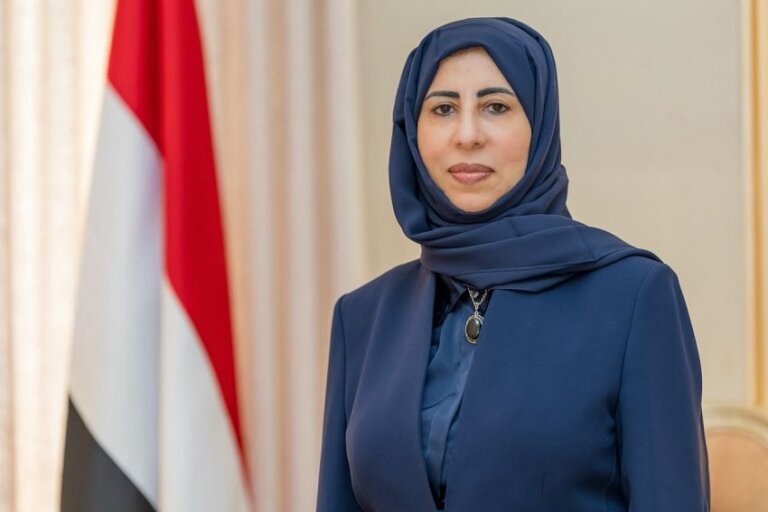
The killing of aid official Wissam Qaed has underscored the dangers facing humanitarian workers in Yemen and the fragility of security in a country ravaged by conflict. Qaed, the Acting Executive Director of the Social Fund for Development, was kidnapped and killed in an incident that drew attention to the perilous environment in which those who deliver assistance and services operate.
Yemen has been embroiled in conflict since 2014, a war that has produced one of the world’s worst humanitarian crises. The conflict has brought not only widespread hunger and disease but also a breakdown of security in parts of the country, creating an environment in which violence against civilians, including humanitarian and development workers, has become a recurring concern.
The Social Fund for Development, which Qaed served, plays an important role in providing services and support to the Yemeni population, particularly in areas affected by the conflict. Institutions of this kind are central to efforts to sustain services and to support communities, and the loss of their personnel to violence is a grave blow to their work.
The kidnapping and killing of a senior figure in such an institution highlights the risks facing those engaged in humanitarian and development work. These workers operate in a difficult and often dangerous environment, and incidents of violence against them not only inflict personal tragedy but also threaten the delivery of the services and assistance on which communities depend.
The deterioration of security in parts of Yemen reflects the conditions created by the conflict. The fragmentation of authority, the weakening of state institutions and the presence of various armed actors have contributed to an environment in which violence and lawlessness can flourish, endangering civilians and those who work to assist them.
The targeting of humanitarian and development workers is a matter of serious concern, both for the individuals affected and for the broader response to Yemen’s crisis. Such workers are essential to the delivery of assistance and services, and threats to their safety can hinder their work and deter the engagement on which the response depends.
The role of the Social Fund for Development in supporting communities lends particular significance to the loss of one of its leaders. The institution’s work in providing services and support is important to the wellbeing of the population, and the killing of a senior figure represents a loss not only to the institution but to the communities it serves.
The incident reflects the broader breakdown of security that has accompanied the conflict. In an environment where the rule of law has been weakened and violence has become common, civilians and workers alike face heightened risks, and the killing of Qaed is a stark illustration of these dangers.
The safety of humanitarian and development workers is a concern shared by the organisations that employ them and by the broader community engaged in Yemen’s response. Ensuring their protection is essential to sustaining the delivery of assistance and services, and incidents of violence against them underscore the challenges of operating in the country.
The kidnapping that preceded the killing reflects a particular danger facing those who work in insecure environments. Abductions, whether for ransom, coercion or other motives, pose a serious threat, and the targeting of a senior official in this manner highlights the risks confronting those in positions of responsibility.
The implications of the incident extend beyond the immediate tragedy to the broader environment for humanitarian and development work. Violence against workers can create a climate of fear, complicate the recruitment and deployment of personnel and hinder the delivery of services, with consequences for the communities that rely on them.
The importance of accountability for such incidents is widely recognised. Identifying and holding to account those responsible for violence against civilians and workers is regarded as essential to justice and to deterring future incidents, though achieving accountability can be difficult in the conditions created by the conflict.
The killing of Qaed adds to the toll that the conflict has exacted on those engaged in supporting the Yemeni population. Humanitarian and development workers have faced significant risks throughout the conflict, and incidents such as this one underscore the dangers they confront in their efforts to assist communities in need.
The broader humanitarian crisis in Yemen, of which the deterioration of security is a part, continues to inflict immense suffering. The conflict has produced famine, disease and displacement, and the breakdown of security compounds these challenges, endangering civilians and hindering the response on which so many depend.
The protection of civilians and workers, and the restoration of security, are bound up with the broader search for a resolution to the conflict. A durable peace, ending the fighting and restoring order, is widely regarded as ultimately necessary to addressing the insecurity that endangers those who live and work in Yemen.
For now, the killing of Wissam Qaed stands as a tragic reminder of the dangers facing humanitarian and development workers in Yemen and of the fragility of security in the country. As Yemen contends with its crisis, the protection of those who work to support its population remains an urgent concern and a measure of the challenges that persist.
About the Author