Yemen joins fourth Arab Food Systems Transformation meeting in Cairo
 Yemen Herald News
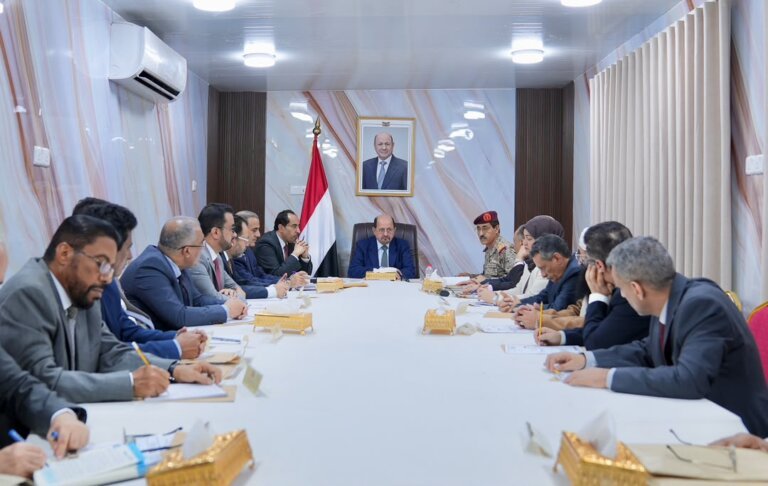
Yemen took part in the fourth Arab Food Systems Transformation meeting, held in Cairo on 6 and 7 May 2026, with a delegation headed by Ambassador Dr Ali Mousa, chargé d’affaires of Yemen’s permanent delegation to the League of Arab States. The meeting was convened by the United Nations Economic and Social Commission for Western Asia together with partner agencies, and formed part of the regional follow-up to the United Nations Food Systems Summit process.
Over two days the meeting addressed how Arab states can move from stated commitments to implementation. Discussions covered mobilising investment and financing for food systems, strengthening coordination around the national pathways each country has set out, and aligning those pathways with the Sustainable Development Goals and with climate priorities. Participants also examined water scarcity and sustainable rural livelihoods, two themes that recur across the region and that bear particularly heavily on Yemen.
For Yemen the subject is not abstract. The country has for years been described by United Nations agencies as facing one of the world’s most severe food crises, with a large share of the population unable to meet basic food needs and acute malnutrition among children at levels that aid agencies have repeatedly called alarming. Assessments of the scale vary between organisations and over time, and access constraints make precise figures contested, but no serious assessment places Yemen outside the worst-affected group of countries.
The causes are structural as well as immediate. Yemen imported the large majority of its staple food before the war began and remains dependent on imports, which makes domestic prices sensitive to shipping costs, currency movements and disruption at the ports. The Houthi seizure of Sanaa in 2014 and the Saudi-led coalition’s intervention the following year fractured the institutions that managed food imports and subsidies, and the division of the central bank between Aden and Sanaa left the country with two monetary authorities and, in practice, two exchange rates.
Currency depreciation has been the sharpest driver of hunger in government-held areas. The rial has lost much of its value against the dollar since 2015, and because food is imported, the cost of a basic basket has risen far faster than incomes. Public sector salaries have been paid irregularly or not at all in many governorates. The result is that food is often physically available in markets while being unaffordable for a substantial part of the population, a pattern that distinguishes Yemen’s crisis from famines caused primarily by absolute scarcity.
Agriculture within Yemen has contracted at the same time. Farming and herding supported a large share of rural households before the war, but irrigation infrastructure has been damaged, fuel for pumping has become expensive and unreliable, and groundwater depletion, already advanced before 2015, has continued. Yemen is among the most water-scarce countries in the world, which is why the meeting’s attention to water featured in Yemeni officials’ framing of their participation. Landmines and unexploded ordnance in former frontline areas have also taken farmland out of use.
Ports are the other constraint. Hodeidah on the Red Sea and Aden in the south handle most of Yemen’s commercial food imports between them, and both have been affected by the conflict — Hodeidah through military action and inspection regimes, Aden through congestion and power shortages. Any interruption at either passes quickly into food prices nationwide, because the domestic buffer of stored or locally grown staples is thin. Shipping insurance costs, which rose after attacks on vessels in the Red Sea began in late 2023, feed into the same calculation.
Regional forums of this kind offer coordination rather than resources. ESCWA and the Food and Agriculture Organization provide technical support, analytical work and a venue for aligning national plans; they do not disburse the sums that reconstruction of Yemen’s food system would require. The financing discussion at the Cairo meeting concerned how to link national priorities to existing funding channels, which for Yemen means competing for attention alongside better-functioning states with more capacity to absorb and account for investment.
Humanitarian funding has meanwhile become harder to secure. United Nations appeals for Yemen have been substantially underfunded for several consecutive years, and agencies have reduced or suspended parts of their assistance in response. That trend gives the shift in emphasis from emergency relief toward longer-term food systems work a practical logic: assistance that rebuilds domestic production and market function is less exposed to annual appeal shortfalls than direct distribution. Whether it is achievable in a country still divided between rival authorities is a separate question.
Yemen’s participation was led through its Arab League delegation rather than by a minister travelling from Aden, which is itself indicative. The internationally recognised government’s engagement in regional technical processes runs substantially through its diplomatic missions, and its capacity to implement what is agreed within Yemen is limited to the areas it controls. The Houthi authorities administering Sanaa and the northern highlands, where most Yemenis live, are not party to these forums.
The meeting produced no commitment specific to Yemen, and the country’s food security will be determined mainly by the exchange rate, the functioning of its ports and the eventual shape of a political settlement rather than by regional declarations. What attendance does provide is a place in the process through which Arab states set food policy priorities, and a record of Yemeni positions in it. On present evidence that is a modest but not negligible thing.
About the Author