Public Works Minister and Taiz Governor Discuss Infrastructure
 Yemen Herald News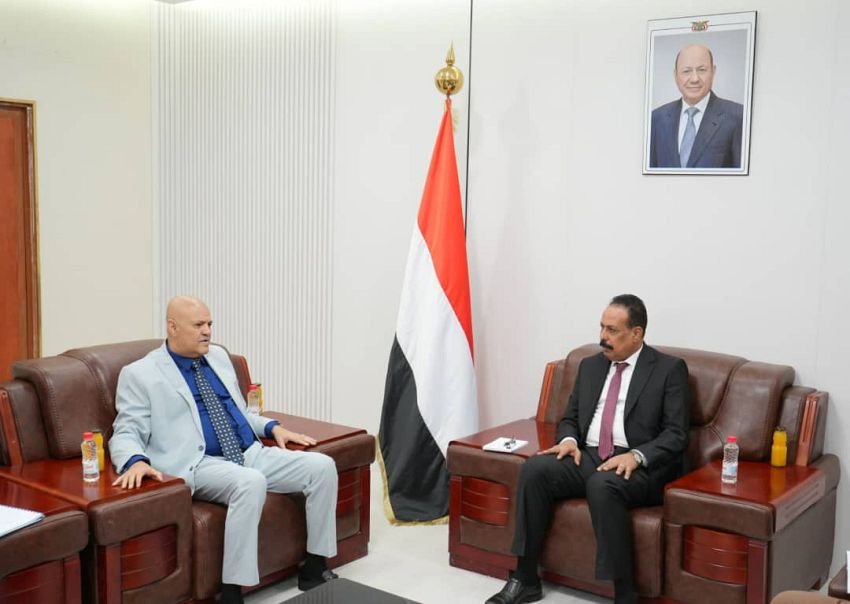
Yemen’s Public Works Minister and the Taiz governor have discussed infrastructure projects in the governorate, in talks that reflected the importance of rebuilding to the recovery of a region heavily affected by the conflict. The discussions focused on the fate of infrastructure in Taiz, a matter regarded as central to the governorate’s stability and to the daily lives of its residents.
Yemen has been embroiled in conflict since 2015, a war that has produced a humanitarian crisis of immense scale and fragmented governance across the country. Taiz, one of the most populous governorates, has been a focal point of the fighting and suffering, and its infrastructure has deteriorated, hampering economic activity and deepening the hardship of its citizens.
The city of Taiz, strategically located, has endured prolonged conflict, with parts of it divided by front lines and its residents facing shortages and the disruption of services. The deterioration of infrastructure has compounded these difficulties, affecting the movement of people and goods and the functioning of essential services.
The discussions between the minister and the governor reflected an effort to address the infrastructure needs of the governorate. Rebuilding and repairing infrastructure is central to the recovery of Taiz, and cooperation between national and local authorities is important to advancing projects that could improve conditions for the population.
Infrastructure encompasses the physical systems on which society and the economy depend, from roads and bridges to public buildings and utilities. The damage inflicted on these systems in Taiz has had profound consequences for the governorate, and their restoration is central to reviving economic activity and improving the conditions of life.
The strategic significance of Taiz lends particular importance to its recovery. As a major population centre and a region of economic and cultural importance, the governorate’s stability and development carry significance beyond its boundaries, and the restoration of its infrastructure is bound up with the broader recovery of the country.
The fragmentation of governance during the conflict has posed challenges for the administration of Taiz and the delivery of services. Coordinating the efforts of national and local authorities is important to addressing these challenges, and cooperation on infrastructure reflects the collaborative effort required to advance recovery in the governorate.
The deterioration of infrastructure has hampered economic activity in Taiz, affecting commerce, employment and the functioning of the economy. Rebuilding infrastructure could support economic revival by restoring the systems on which economic activity depends, contributing to the recovery of the governorate and the wellbeing of its residents.
The plight of the citizens of Taiz, exacerbated by the deterioration of infrastructure and services, underscores the importance of recovery efforts. The residents have endured significant hardship during the conflict, and improving infrastructure and services is central to relieving this hardship and to restoring a measure of normalcy to their lives.
The Ministry of Public Works plays a central role in infrastructure development, overseeing construction and the development of physical systems. Its engagement with the governor of Taiz reflects the coordination between national and local authorities required to advance infrastructure projects and to address the needs of the governorate.
The role of local governance in the recovery of Taiz reflects the importance of local authorities in identifying needs and advancing projects. Cooperation between the governor and national authorities helps ensure that infrastructure efforts are aligned with the needs of the governorate and that they address the priorities of its population.
The rebuilding of infrastructure in Taiz is a demanding undertaking, given the scale of the damage and the challenges of the conflict. Advancing projects requires resources, planning and a measure of stability, and the difficulties of the environment add to the complexity of the effort, though cooperation between authorities reflects a commitment to it.
The connection between infrastructure and stability, reflected in the discussions, underscores the significance of rebuilding to the recovery of Taiz. Functional infrastructure supports the delivery of services, economic activity and the movement of people, all of which are essential to stability and to the wellbeing of the population.
The international dimension of recovery in Taiz, as elsewhere in Yemen, reflects the reliance of infrastructure efforts on external support. With domestic resources constrained, the engagement of international partners can help mobilise the resources required for rebuilding, complementing the efforts of national and local authorities.
Realising the infrastructure projects discussed will depend on resources, security and the trajectory of the conflict. Infrastructure development is a long-term undertaking, and progress will require sustained commitment and favourable conditions, particularly in a governorate as affected by the conflict as Taiz, though the engagement of authorities reflects a determination to advance it.
Few Yemeni cities embody the dilemmas of wartime reconstruction as sharply as Taiz. Its division by front lines has meant that even routine repairs can require navigating a patchwork of control, and the closure of key routes has at times forced residents and goods onto long and hazardous detours. Rebuilding in such conditions is not merely a technical challenge but a political one, entangled with questions of access, security and the fragile arrangements that govern movement in and around the city. Officials involved in the discussions were said to have weighed how projects might proceed despite these constraints, mindful that visible improvements, however modest, carry an outsized significance for a population that has borne the war at especially close quarters.
For now, the discussions between the Public Works Minister and the Taiz governor reaffirmed the importance of infrastructure to the recovery of the governorate. As Taiz contends with the consequences of years of conflict, the rebuilding of its infrastructure remains central to efforts to revive its economy, restore its services and improve the lives of its people.
About the Author