
PM Stresses Security and Basic Services as Pillars of Stability
 Yemen Herald News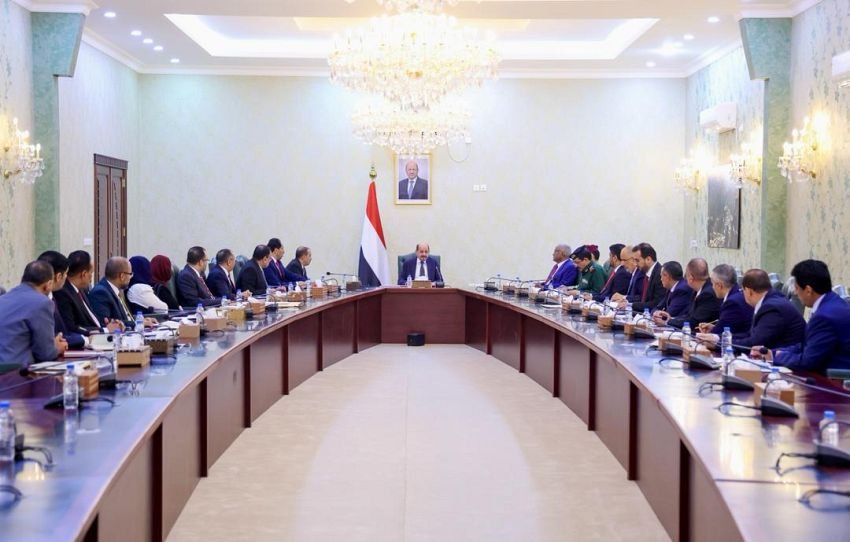
Yemen’s Prime Minister has stressed security and basic services as pillars of the country’s stability and future, in remarks that reflected the government’s focus on the foundations of order and welfare amid a protracted crisis. Speaking in connection with a meeting of the Council of Ministers, Dr. Shaya Zindani framed the establishment of security and the enhancement of services as essential to the country’s survival and recovery.
Yemen has been embroiled in conflict since 2015, a war that has produced a humanitarian crisis of immense scale and fractured the country. The internationally recognised government, based in Aden, faces significant challenges, including insecurity, economic collapse and a severe lack of basic services, and addressing these is central to its efforts to advance stability.
The meeting of the Council of Ministers reflected the government’s engagement with these challenges. Framing security and services as priorities underscores their importance to the functioning of the state and to the wellbeing of the population, and the emphasis reflects the government’s recognition of their centrality to stability.
Security lies at the foundation of the government’s objectives. Effective security is essential to maintaining order, countering threats and creating the conditions in which governance, services and economic activity can be sustained, making its establishment a prerequisite for the broader recovery the government seeks to advance.
The enhancement of basic services addresses one of the most tangible concerns of citizens. Services such as electricity, water, health and education are among the most immediate measures of governance, and improving their delivery is central to relieving hardship and to demonstrating the government’s capacity to serve the population.
The framing of security and services as pillars of stability reflects an understanding of their interconnection. Security provides the conditions in which services can be delivered, while functioning services contribute to stability by meeting the needs of the population and reducing the grievances that can fuel instability, linking the two priorities.
The challenges facing the government in these areas are considerable. Insecurity persists across parts of the country, the economic crisis constrains resources, and the delivery of services has been severely disrupted by the conflict, making the establishment of security and the enhancement of services demanding undertakings.
The insecurity facing the country reflects the conditions created by the conflict. The fragmentation of authority, the presence of various forces and the threats posed by extremist groups have contributed to an environment of insecurity, and addressing these challenges is central to the government’s efforts to establish order.
The economic collapse that has accompanied the conflict has deepened the challenges facing the government. The devastation of the economy, the depreciation of the currency and the strain on public finances have compounded the difficulties, constraining the resources available for security and services and deepening the hardship facing the population.
The lack of basic services reflects the impact of the conflict on the systems that sustain the population. The disruption of services across multiple sectors has deepened the humanitarian crisis, and efforts to enhance them are central to relieving hardship and to the government’s capacity to serve its citizens.
The role of the Council of Ministers in addressing these priorities reflects the collective leadership of the government. Coordinating efforts across the government to address security and services is important to their effectiveness, and the engagement of the Council reflects the priority attached to these foundations of stability.
The connection between the government’s priorities and the country’s survival, emphasised by the prime minister, underscores the stakes involved. In a context of acute crisis, the establishment of security and the enhancement of services are matters not only of governance but of the wellbeing and survival of the population, lending urgency to the government’s efforts.
The prospects for advancing security and services will depend on resources, effective implementation and the trajectory of the conflict. Establishing security and enhancing services are long-term undertakings, and their success will depend on sustained effort and, ultimately, on progress toward a resolution of the conflict that has driven the crisis.
The government’s focus on these foundations reflects its recognition of their importance to its objectives and to the population. Addressing the challenges of security and services is central to the government’s agenda, and the emphasis placed on them reflects an awareness of their significance to stability and recovery.
The support of international partners will remain important to the government’s efforts to advance security and services. With its own resources constrained, the government relies on the backing of partners to sustain its efforts, making international support an important element of its capacity to address these priorities.
The pairing of security and services in the prime minister’s framing was itself instructive, reflecting a recognition that the two are mutually reinforcing rather than separate agendas. A neighbourhood without electricity or water breeds the frustration that can shade into unrest, while a district gripped by insecurity cannot sustain the delivery of even the aid that is available. Officials increasingly speak of the two as a single challenge, arguing that neither can be durably achieved without the other, and that the government’s credibility with a weary population rests on visible progress across both fronts at once.
For now, the prime minister’s emphasis on security and basic services underscored the government’s focus on the foundations of stability and welfare. As Yemen contends with the challenges of insecurity, economic collapse and the disruption of services, the establishment of security and the enhancement of services remain central to the government’s agenda and to the prospects for its people.
About the Author




