Yemen and Germany Discuss Cultural Cooperation and Heritage
 Yemen Herald News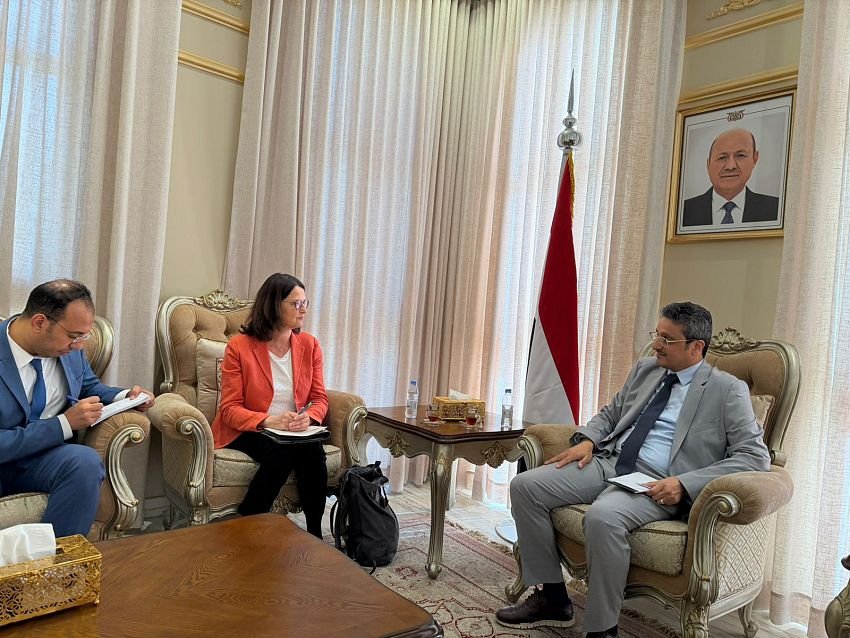
Yemen’s Culture Minister and Germany have discussed cooperation on cultural heritage and diplomacy, in talks that highlighted the role of culture in the country’s recovery and in its international relations. The discussions between the Minister of Culture and representatives of the German Foreign Ministry focused on how cultural cooperation might support the preservation of Yemen’s heritage and foster ties between the two countries.
Yemen stands as a country of extraordinary cultural richness, its heritage encompassing ancient cityscapes, historic architecture and antiquities that are central to its identity. Years of conflict, however, have devastated aspects of this heritage, with sites damaged and antiquities lost or endangered, making the preservation of the country’s cultural legacy a pressing concern.
The war has taken a heavy toll on Yemen’s cultural heritage, contributing to the damage and destruction of sites and to the plundering of antiquities. The loss of such heritage represents not only a blow to the country’s identity but also a loss to the wider world, given the significance of Yemen’s cultural legacy to human history.
Against this backdrop, cultural diplomacy has assumed growing significance. Cooperation on the preservation and restoration of heritage can support the safeguarding of Yemen’s cultural legacy while fostering international relationships, and Germany, with its tradition of archaeological research and cultural engagement, represents a notable partner in such efforts.
Germany has a long history of archaeological research and cultural engagement, including in Yemen, where German missions have contributed to the study and documentation of the country’s heritage. This history provides a foundation for cooperation on the preservation of heritage, drawing on German expertise and experience in the field.
The preservation of cultural heritage carries significance beyond the safeguarding of sites and antiquities. Heritage is central to a country’s identity and to the sense of continuity and belonging of its people, and its preservation can contribute to the social and cultural fabric on which recovery and cohesion depend.
The damage inflicted on Yemen’s heritage during the conflict underscores the urgency of preservation efforts. Sites of historical and cultural importance have been affected by the fighting, and the endangerment of antiquities has raised concerns about the loss of irreplaceable elements of the country’s legacy, lending importance to cooperation on their protection.
Yemen is home to sites of exceptional cultural value, including historic cities renowned for their distinctive architecture. The preservation of such sites, some of which are recognised for their international significance, is important not only to Yemen but to the global heritage community, given their value to human history and culture.
The plundering of antiquities during the conflict has been a particular concern. The theft and trafficking of cultural artefacts, facilitated by the breakdown of order, threaten the loss of items of great historical and cultural value, and combating such plundering is an important element of efforts to safeguard heritage.
Cultural cooperation with international partners such as Germany can contribute to efforts to preserve and restore heritage. Drawing on the expertise, resources and experience of partners can support the documentation, protection and restoration of sites and antiquities, complementing the efforts of Yemeni institutions responsible for heritage.
The role of cultural diplomacy in fostering international relations reflects the broader significance of culture in Yemen’s engagement with the world. Cooperation on heritage can strengthen ties between countries, building relationships grounded in shared interest in the preservation of cultural legacy and contributing to the country’s international engagement.
The historical ties between Yemen and Germany, particularly in the field of archaeological and cultural research, provide a foundation for cooperation. German engagement with Yemen’s heritage over the years has contributed to its study and documentation, and this history lends depth to the potential for cooperation on preservation.
The Ministry of Culture plays a central role in efforts to preserve and promote Yemen’s heritage, overseeing matters related to culture and antiquities. Its engagement with Germany reflects the collaborative effort required to safeguard heritage, drawing on both national responsibility and international expertise and support.
The preservation of heritage is bound up with the broader recovery of Yemen. As the country seeks to rebuild, safeguarding its cultural legacy is important to restoring its identity and to fostering the cohesion and continuity that recovery requires, making cultural cooperation a meaningful element of the broader effort.
Realising the cooperation discussed will depend on resources, security and the trajectory of the conflict. The preservation and restoration of heritage require sustained effort and favourable conditions, particularly in a country affected by conflict, though the engagement of Yemen and Germany reflects a shared commitment to safeguarding cultural legacy.
The stakes are underscored by the standing of Yemen’s most celebrated sites, among them the ancient walled Old City of Sanaa, the towering mud-brick towers of Shibam and the storied remains associated with the historic kingdoms of the region. Several have long been recognised as being of outstanding universal value, and their vulnerability during the conflict has prompted concern well beyond the country’s borders. For heritage specialists, the challenge is not only to repair what has been damaged but to guard against the slower erosion that comes when maintenance lapses and expertise is lost, a task in which international partnerships and the transfer of skills are widely seen as indispensable.
For now, the discussions between the Culture Minister and Germany reaffirmed the importance of cultural cooperation to the preservation of Yemen’s heritage and to the ties between the two countries. As Yemen works to safeguard its cultural legacy amid the challenges of the conflict, cooperation of this kind represents a valuable element of efforts to protect and restore its heritage.
About the Author