Transport Minister and EU Ambassador Discuss Yemen’s Transport Sector
 Yemen Herald News
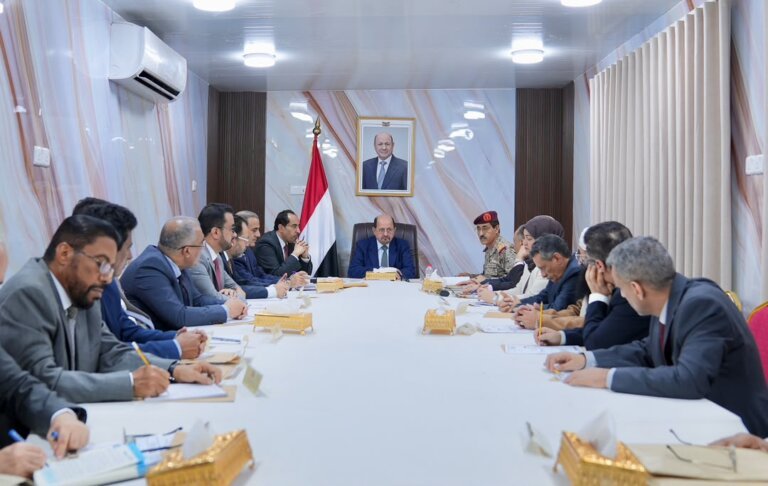
Yemen’s Transport Minister and the EU ambassador have discussed the transport sector, in talks that highlighted the importance of transport infrastructure to the country’s economic recovery. Minister Mohsen Al-Amri met European Union Ambassador Patrick Simonnet to explore cooperation on a sector regarded as critical to reviving the economy and reconnecting the country.
Yemen has been embroiled in a protracted conflict that has devastated its economy and infrastructure. The transport sector, a critical component for economic recovery, has suffered immensely during the war, with many roads, ports and airports falling into disrepair, hampering the movement of people and goods and impeding economic activity.
The strategic location of Yemen, at the crossroads of major maritime routes, presents an opportunity for the revitalisation of its transport sector. The country’s position near vital shipping lanes gives its ports and transport infrastructure potential significance to regional and international trade, lending importance to their restoration and development.
The Yemeni government, recognising the need for modernisation, has sought to align its transport initiatives with broader economic goals aimed at re-establishing the country as a hub of trade and connectivity. The development of the transport sector is thus bound up with the wider effort to revive the economy and to reconnect Yemen with regional and global networks.
Transport infrastructure underpins the functioning of the economy, enabling the movement of goods, the conduct of commerce and the connection of communities. The damage inflicted on this infrastructure during the conflict has had significant consequences, and its restoration is central to reviving economic activity and improving the conditions of life.
Roads, ports and airports, all affected by the conflict, are essential elements of the transport sector. The disrepair of roads hampers the movement of people and goods, the condition of ports affects the flow of trade and supplies, and the state of airports bears on connectivity, making the restoration of these facilities important to recovery.
The European Union has been among the international partners engaged with Yemen, providing support across humanitarian, development and economic domains. Its engagement on the transport sector reflects a recognition of the importance of infrastructure to the country’s recovery and complements its broader support for stability and development.
The revitalisation of the transport sector is a demanding undertaking, requiring substantial resources, planning and coordination. The scale of the damage and the challenges of the environment add to the complexity of the effort, and cooperation with partners such as the European Union can help mobilise the resources and expertise required.
The potential of Yemen’s location to support a revitalised transport sector reflects its significance to trade. The country’s position near the Bab al-Mandab strait and the Red Sea gives its ports and infrastructure potential relevance to the flow of global commerce, and their development could contribute to reconnecting the country with international trade.
The alignment of transport initiatives with broader economic goals reflects an integrated approach to recovery. Transport infrastructure supports commerce, investment and the movement of goods, and its development can contribute to the wider revival of the economy, reinforcing the connection between the sector and the country’s economic prospects.
The modernisation of the transport sector, sought by the government, encompasses the restoration and development of infrastructure as well as the improvement of systems and capacity. Modernising the sector could enhance its efficiency and connectivity, contributing to the functioning of the economy and to the country’s integration with regional and global networks.
The Ministry of Transport plays a central role in the development of the sector, overseeing matters related to transport infrastructure and services. Its engagement with the European Union reflects the collaborative effort required to advance the revitalisation of the sector, drawing on both national leadership and international support.
The connection between transport and economic resilience, reflected in the discussions, underscores the significance of the sector to recovery. A functioning transport system supports economic activity and connectivity, both of which are essential to resilience and to the country’s capacity to withstand and recover from the effects of the conflict.
Realising the revitalisation discussed will depend on resources, security and the trajectory of the conflict. The development of transport infrastructure is a long-term undertaking, and progress will require sustained commitment and favourable conditions, though the engagement of the ministry and its partners reflects a determination to advance the effort.
The reconnection of Yemen with regional and global networks, an aim of the transport initiatives, reflects the broader ambition to reintegrate the country after years of disruption. Restoring transport links, from roads and ports to air connections, is central to this ambition, and the development of the sector is bound up with the country’s recovery.
The condition of Yemen’s ports carries a weight that extends well beyond the transport sector itself, given the country’s overwhelming dependence on imports for food, fuel and medicine. When berths are damaged, cranes idle or customs systems fail, the effects are felt within days in the availability and price of essentials, making port rehabilitation among the interventions with the most immediate humanitarian as well as economic return. Officials and donors alike have tended to accord it a high priority for precisely that reason, viewing the smooth functioning of the country’s maritime gateways as a lifeline on which much of the population quietly depends.
For now, the meeting between Al-Amri and Simonnet reaffirmed the importance of the transport sector to Yemen’s economic recovery and the value of international cooperation in supporting it. As the country works to rebuild its infrastructure and revive its economy, the development of transport remains a central element of its efforts to reconnect and to recover.
About the Author