Al-Khanbashi Chairs Military-Security Meeting in Hadhramaut’s Seiyun
 Yemen Herald News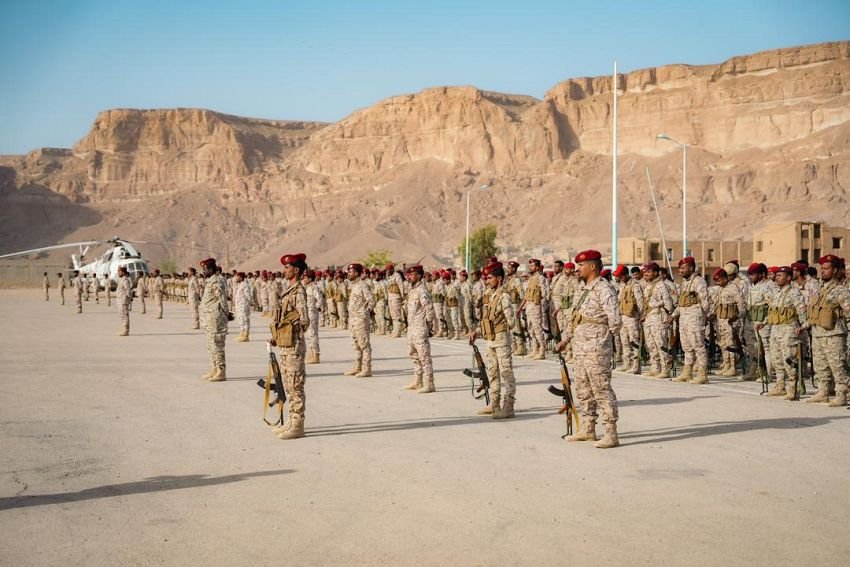
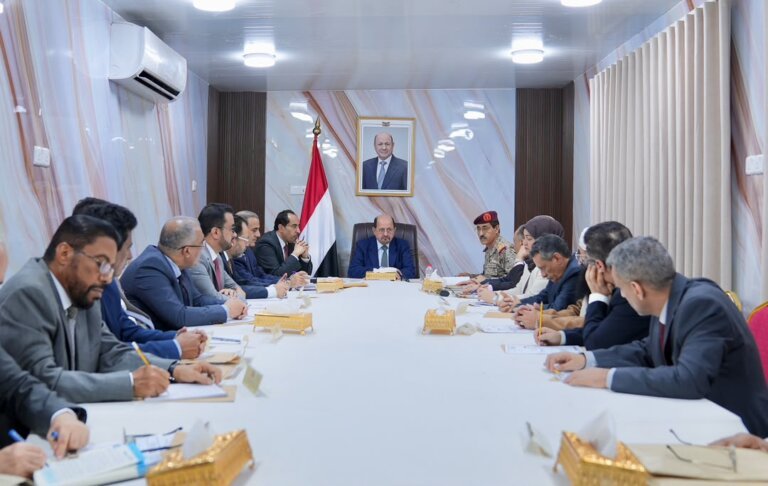
A member of Yemen’s Presidential Leadership Council has chaired a military-security meeting in Hadhramaut’s Seiyun, in a gathering that underscored the emphasis on unified security efforts in a strategically significant region. Salem Ahmed Al-Khanbashi led the meeting, which addressed the security situation in Hadhramaut and the coordination of military and security efforts amid the challenges facing the governorate.
Yemen has been embroiled in conflict since 2014, a war that has produced a humanitarian crisis of immense scale and fragmented authority among various factions. The resulting security environment has been complex, particularly in regions such as Hadhramaut, whose strategic significance derives from its oil resources and its geographical position.
Hadhramaut, Yemen’s largest governorate by area, occupies an important place in the country’s security and economic landscape. Stretching from a long coastline to a vast interior, it encompasses significant resources and territory, and its stability carries importance both for its population and for the broader security of the country.
The military-security meeting reflected an emphasis on the coordination and unification of security efforts. In an environment marked by the fragmentation of authority and the presence of various forces, achieving coherence in the command and coordination of security is regarded as essential to maintaining order and to addressing the challenges facing the governorate.
The Presidential Leadership Council, formed to unify the various anti-Houthi factions and to strengthen governance, has emphasised the importance of unified security efforts. The involvement of a Council member in chairing the meeting reflects the priority attached to the security of Hadhramaut and to the coordination of efforts in the governorate.
The strategic significance of Hadhramaut, including its oil resources, lends particular importance to its stability. The governorate’s economic assets and its location give it significance beyond the immediate concerns of security, and maintaining stability there is bound up with broader considerations of the country’s economy and security.
The complex security environment in Hadhramaut reflects the broader conditions created by the conflict. The fragmentation of authority, the presence of various forces and the challenges of maintaining order in a vast governorate have contributed to a demanding security situation, and addressing it requires coordinated effort and attention.
The coordination of military and security efforts, a focus of the meeting, is central to the maintenance of order. Ensuring that the various forces operating in the governorate work together effectively is important to their capacity to address threats and to maintain security, and improving coordination is a recurring priority for the authorities.
The security of Hadhramaut carries significance for the country as a whole. Given the governorate’s size, resources and location, its stability is important both for its population and for the broader security environment, making efforts to coordinate and unify security there a matter of wider consequence.
The city of Seiyun, where the meeting was held, is a significant centre in the interior of Hadhramaut. Its role as a venue for the gathering reflects the importance of the governorate’s interior as well as its coast, and the attention given to the security situation across the governorate.
The emphasis on unified security efforts reflects the broader challenge of overcoming the fragmentation that has characterised Yemen’s security landscape. Bringing greater coherence to the coordination of forces is central to their effectiveness, and the meeting reflected the effort to advance this coordination in Hadhramaut.
The role of the Presidential Leadership Council in strengthening security reflects its broader objectives. The Council has emphasised the unification of security efforts as central to the government’s capacity to maintain order, and the engagement of a Council member in the meeting reflects the priority attached to this goal in Hadhramaut.
The challenges of maintaining security in Hadhramaut are considerable, given the governorate’s size, the fragmentation of authority and the presence of various forces. Addressing these challenges requires sustained coordination and effort, and the meeting reflected the attention given to the security situation in the governorate.
The stability of Hadhramaut is bound up with the broader effort to stabilise the country and to strengthen the state. Effective and coordinated security forces are essential to stability, and efforts to unify and coordinate security in the governorate contribute to this broader endeavour.
Realising the coordination and stability sought will depend on sustained effort, resources and the evolving situation. Unifying and coordinating security efforts amid fragmentation is a demanding undertaking, and its success will depend on the willingness of the various actors to cooperate and on the broader trajectory of the conflict.
Hadhramaut’s importance to the government extends well beyond its considerable size. The governorate accounts for a significant share of the country’s oil production, and its ports and airfields give it a strategic value that competing forces have long recognised. Questions over who commands its various military and security formations have periodically surfaced as points of tension within the anti-Houthi camp, reflecting the broader difficulty of reconciling local, regional and national claims on authority. Meetings such as the one in Seiyun are, in part, an attempt to manage those tensions, coordinating the disparate forces on the ground while affirming the framework of central authority under which they are meant to operate. Their effectiveness, officials acknowledge, will ultimately be judged by whether coordination on paper translates into a more coherent and accountable security presence for the governorate’s residents.
For now, the military-security meeting chaired by Al-Khanbashi in Seiyun reflected the emphasis on unified security efforts in Hadhramaut. As Yemen contends with the challenges of its fragmented security landscape, the coordination of military and security efforts in strategically significant regions such as Hadhramaut remains a priority for the government.
About the Author