Yemen’s Water Minister and Samaritan’s Purse Sign Water Agreement
 Yemen Herald News
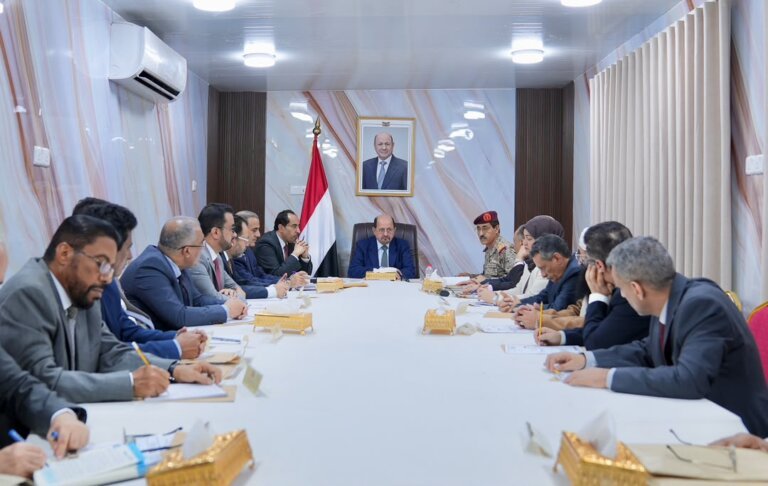
Yemen’s Water Minister and Samaritan’s Purse have signed an agreement on water and sanitation, in a step aimed at addressing pressing humanitarian needs and strengthening water security in a country ravaged by conflict. The agreement between the Ministry of Water and Environment and the humanitarian organisation reflects the continuing effort to sustain services critical to public health and community resilience.
Yemen has been embroiled in conflict since 2014, a war that has produced one of the world’s worst humanitarian crises. The conflict has severely disrupted essential services, particularly water and sanitation, which are critical to public health, and with more than 22 million people in need of humanitarian assistance, the situation remains dire.
Water scarcity, exacerbated by the war, has contributed to serious public health challenges, including the risk of waterborne diseases. The disruption of water and sanitation services has heightened these risks, and outbreaks of diseases such as cholera have underscored the close connection between safe water and public health in the country’s emergency.
The agreement with Samaritan’s Purse reflects the role of humanitarian organisations in supporting Yemen’s water and sanitation sector. Such organisations contribute resources and capacity to efforts to sustain and improve services, complementing the work of the government and helping to address the extensive needs of the population.
Water and sanitation are fundamental to public health and to the wellbeing of communities. Access to safe water and adequate sanitation helps prevent disease and supports the health of the population, and sustaining these services is central to the humanitarian response and to the resilience of communities amid the crisis.
The disruption of water and sanitation services during the conflict has had serious consequences. Damage to infrastructure, the loss of capacity and the pressures of the crisis have undermined the delivery of these services, heightening the risks to public health and deepening the challenges facing the population.
The risk of waterborne diseases, heightened by the disruption of services, has been among the gravest health threats in Yemen. Outbreaks of cholera and other diseases have caused significant suffering, and the provision of safe water and sanitation is essential to preventing and addressing such outbreaks and their consequences.
Samaritan’s Purse, the organisation signing the agreement, is among the humanitarian actors engaged in supporting communities in Yemen. Its involvement in water and sanitation reflects its engagement in addressing critical needs, and its cooperation with the ministry reflects the collaborative effort required to sustain services in a challenging environment.
The strengthening of water security, an aim of the agreement, addresses one of Yemen’s most fundamental challenges. The country ranks among the most water-scarce in the world, and the pressures of conflict and climate change have deepened the challenge, making the sustainable management and delivery of water critical to the population.
The humanitarian dimension of the agreement reflects the immediate needs it seeks to address. Meeting the water and sanitation needs of the population is essential to protecting public health and to relieving hardship, and the agreement contributes to efforts to sustain the services on which communities depend.
The connection between water security and stability, reflected in the agreement, underscores the significance of the sector. Access to safe water and sanitation is essential to public health and to the resilience of communities, both of which are bound up with stability and with the broader recovery of the country.
The Ministry of Water and Environment plays a central role in managing the country’s water resources and in sustaining water and sanitation services. Its engagement with Samaritan’s Purse reflects the collaborative effort required to address the challenges facing the sector, drawing on both national responsibility and the support of humanitarian partners.
The reliance of the water and sanitation sector on external support underscores the importance of partnerships such as that with Samaritan’s Purse. With the government’s resources severely constrained, the engagement of humanitarian organisations is essential to sustaining and improving services, making such partnerships important to the response.
The scale of humanitarian need in Yemen, with more than 22 million people requiring assistance, underscores the stakes of efforts to sustain water and sanitation services. For large numbers of people, access to safe water is essential to health and survival, and the agreement contributes to the broader effort to meet these needs.
Sustaining water and sanitation services depends on adequate resources and continued commitment. The needs are considerable, and meeting them requires sustained support, making the engagement of partners such as Samaritan’s Purse important to the continued delivery of services critical to public health and community resilience.
The involvement of a faith-based organisation such as Samaritan’s Purse is characteristic of the diverse coalition of actors that has kept Yemen’s water and sanitation services functioning through the war. Alongside United Nations agencies and secular non-governmental organisations, a range of charities have drilled boreholes, repaired networks and trucked water to communities cut off from reliable supply. Formal agreements with the relevant ministry help ensure that this patchwork of effort is coordinated with national plans and directed toward the areas of greatest need, reducing duplication and aligning the work of external partners with the priorities of the authorities responsible for the sector.
For now, the agreement between the Water Minister and Samaritan’s Purse reflects the continuing effort to address Yemen’s water and sanitation needs and to strengthen water security. As the country contends with water scarcity and the disruption of services amid its crisis, cooperation of this kind remains essential to protecting public health and supporting communities.
About the Author