Floods Deepen Yemen’s Humanitarian Crisis
 Yemen Herald News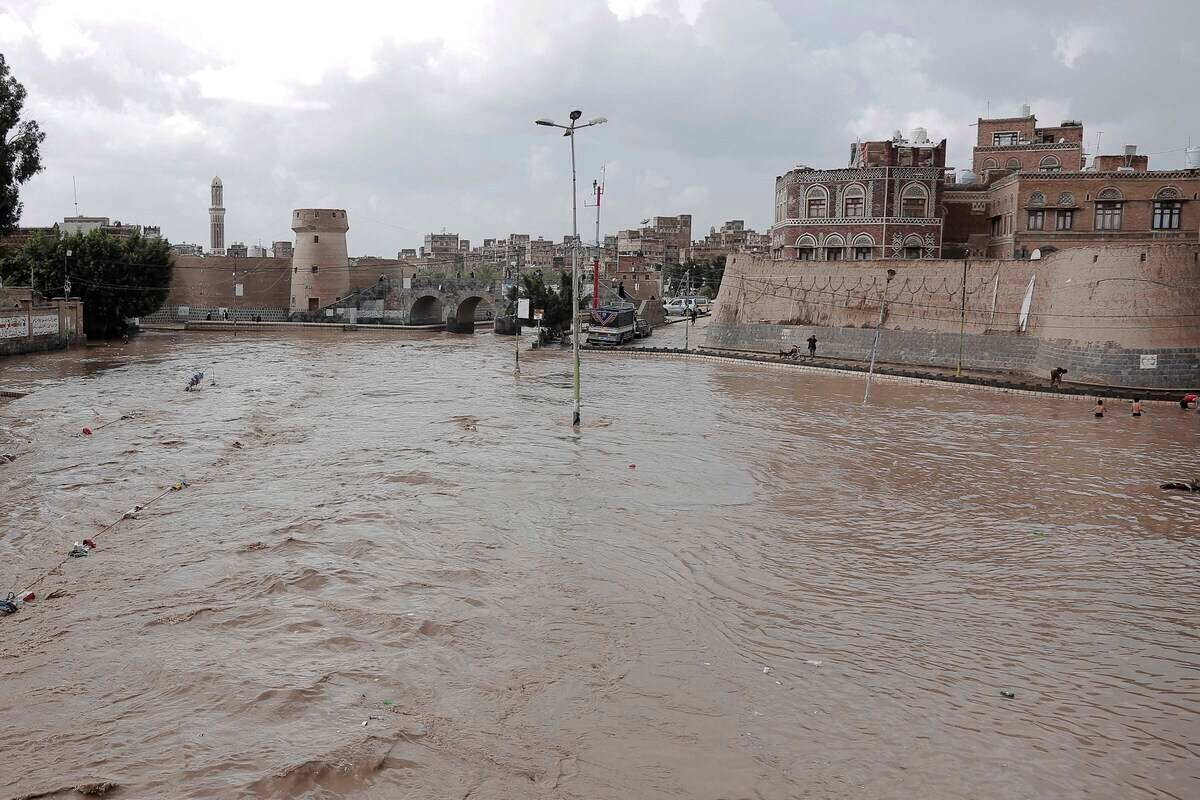
SANAA, YEMEN - AUGUST 22: A view of a submerged street after heavy rains caused floods in Sana'a, Yemen on August 22, 2024. ( Mohammed Hamoud - Anadolu Agency )
Floods in Yemen have killed and displaced thousands, deepening a humanitarian crisis that has left much of the population dependent on assistance. The disaster, which claimed lives and forced families from their homes, has underscored the vulnerability of a country in which environmental hazards intersect with the effects of prolonged conflict and immense humanitarian need.
Yemen has been embroiled in conflict since 2014, a war that has produced one of the world’s worst humanitarian crises. The fighting has resulted in widespread displacement, with millions forced to flee their homes, and the flooding has added a further layer of hardship to a population already contending with the consequences of the war.
The scale of humanitarian need in Yemen is immense. Aid agencies estimate that more than 22 million people require some form of humanitarian assistance, a large share of the population, reflecting the depth of a crisis driven by conflict, economic collapse and the deterioration of services across the country.
The country’s infrastructure has been decimated by the conflict, and its economy has been in freefall, exacerbating the vulnerability of its citizens to hazards such as flooding. The weakness of infrastructure to manage water and to mitigate the impact of extreme weather leaves communities exposed, and the resulting disasters can have severe consequences.
The flooding reflects a broader pattern of vulnerability to environmental hazards in Yemen. Seasonal rains can be intense, and in the absence of adequate infrastructure and preparedness, they can cause devastating floods, compounding the hardships of a population already burdened by the effects of the conflict.
The displacement caused by the flooding adds to the enormous displacement crisis that the conflict has produced. Families forced from their homes by the floods join the millions already uprooted by the war, deepening the challenges facing the displaced and placing further demands on the humanitarian response.
The loss of life in the flooding underscores the human cost of the disaster. Each death represents a tragedy for families and communities, and the toll reflects the dangers posed by floods in areas where infrastructure and preparedness are inadequate to protect populations from the impact of extreme weather.
The intersection of environmental hazards with the effects of the conflict illustrates the compounded vulnerabilities facing Yemen. Flooding would pose challenges in any context, but in a country strained by war, with damaged infrastructure and large displaced populations, its impact is magnified and the capacity to respond diminished.
The impact of the flooding on displaced people is especially concerning. Displacement sites are often located in exposed areas and constructed of flimsy materials, leaving their residents acutely vulnerable to flooding, which can destroy shelters, sweep away belongings and endanger lives among people who have already lost their homes.
The demands created by the flooding add to a humanitarian response already stretched by the scale of Yemen’s needs. Responding to the consequences of the disaster, from shelter and food to other essentials, requires resources and effort, adding to the challenges facing relief efforts in the country.
The decimation of infrastructure, cited as a factor in the country’s vulnerability, reflects the impact of the conflict on the systems that could mitigate the effects of flooding. Damaged or inadequate infrastructure to manage water leaves communities exposed, and its restoration is important to reducing the impact of future hazards.
The freefall of the economy has deepened the vulnerability of the population to the impact of disasters. Economic hardship leaves families with fewer resources to cope with and recover from shocks such as flooding, magnifying the consequences of the disaster and complicating the recovery of those affected.
The humanitarian neglect that has, at times, characterised the international response, amid funding shortfalls and competing crises, adds to the challenges. Sustaining assistance to Yemen at the scale required has been difficult, and the additional demands created by the flooding underscore the importance of adequate support for the response.
The vulnerability of Yemen to environmental hazards is likely to persist, given the weakness of infrastructure and the effects of a changing climate. Strengthening the capacity to manage water and to mitigate the impact of extreme weather could help reduce the toll of future disasters, though the resources required are considerable.
The consequences of the flooding, from the loss of life to displacement and hardship, reflect the compounded challenges facing Yemen. The intersection of natural disaster with the conditions created by conflict magnifies the impact, illustrating the multiple and overlapping pressures confronting the country and its people.
There is a cruel arithmetic to disasters in a country as depleted as Yemen. Each flood, drought or outbreak arrives not as an isolated shock but as an added weight upon communities whose reserves have already been exhausted by years of war, so that events which a more resilient society might absorb instead push families past the edge of coping. Humanitarian agencies have warned that this cumulative erosion of resilience is among the gravest, if least visible, features of the crisis, gradually stripping away the informal safety nets and modest savings that once allowed households to recover. Rebuilding that capacity, they argue, is as vital as the emergency relief that follows each new catastrophe, yet it is precisely the kind of long-term investment that the urgency of successive emergencies tends to crowd out.
For now, the flooding stands as a stark reminder of Yemen’s vulnerability to environmental hazards and of the depth of its humanitarian crisis. As the country contends with the intersection of disaster, conflict and immense need, the impact of the floods underscores the challenges facing its population and the importance of a sustained humanitarian response.
About the Author