Yemen’s Cabinet Endorses Economic Measures to Support the Public Sector
 Yemen Herald News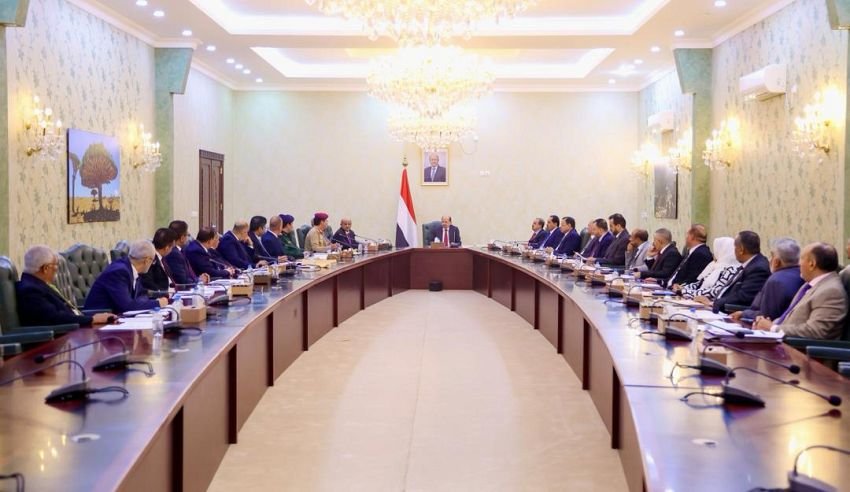
Yemen’s Cabinet has endorsed economic measures aimed at supporting the public sector, in decisions presented as significant for the country’s efforts at stability and recovery. The measures, approved at a Cabinet meeting in Aden chaired by Prime Minister Shaya Zindani, reflect a recognition of the need for action to address the economic pressures weighing on the public sector and the population.
Yemen has been embroiled in conflict since 2015, a war that has produced a humanitarian catastrophe and a crumbling economy. The public sector, once a cornerstone of the economy, has been severely undermined by years of war and by the strains on public finances, and its condition has significant implications for the livelihoods of large numbers of Yemenis.
With millions of Yemenis relying on government salaries for their livelihoods, the condition of the public sector is a matter of direct and immediate importance to the population. The government’s decisions concerning the sector are therefore critical in addressing the economic conditions that have left many in poverty and in sustaining the incomes on which families depend.
The Cabinet’s meeting reflected a growing recognition of the need for reforms to restore public trust and to improve living conditions. Addressing the economic challenges facing the country and the public sector is central to the government’s agenda, and the endorsement of economic measures reflects an effort to respond to these pressing concerns.
The public sector’s role as a source of employment and salaries gives it particular importance in Yemen’s economy. In a context of widespread unemployment and hardship, government salaries represent a vital source of income for many households, and sustaining them is important both to the welfare of the population and to economic activity.
The economic challenges facing Yemen are formidable, encompassing the devastation of the economy, the depreciation of the currency and the strain on public finances. Addressing these challenges requires measures to stabilise the economy and to strengthen the management of public resources, and the Cabinet’s decisions reflect an effort to advance these goals.
The restoration of public trust, cited as an aim of the measures, reflects the importance of confidence in the government and its management of the economy. Public trust can be strengthened by effective governance and by improvements in economic conditions, and the government’s reform efforts are intended in part to rebuild this confidence.
The improvement of living conditions, another goal of the measures, addresses the hardship facing the population. Economic pressures have deepened poverty and hardship across Yemen, and measures that support the public sector and the economy can contribute to relieving these pressures and to improving the conditions of life for citizens.
The endorsement of measures by the Cabinet reflects the process through which the government makes and approves policy. Collective decision-making by the Cabinet lends weight to the measures and reflects a coordinated approach to addressing the economic challenges, underscoring the priority attached to the issue by the government.
The undermining of the public sector by years of war, mismanagement and the strain on finances reflects the depth of the challenges facing it. Rebuilding and strengthening the sector requires addressing these accumulated difficulties, an undertaking that is demanding amid the constraints of the conflict and the economic crisis.
The reliance of millions on government salaries underscores the stakes of the public sector’s condition. Disruptions to the payment of salaries have significant consequences for the livelihoods of large numbers of people, and sustaining salaries is a central concern for a government seeking to address the hardship facing the population.
The economic measures endorsed by the Cabinet form part of the government’s broader agenda of reform and stabilisation. Addressing the challenges facing the economy and the public sector is central to the government’s efforts, and the measures reflect its recognition of the urgency of action to improve economic conditions.
The role of the Prime Minister in chairing the Cabinet reflects the leadership of the government in setting and coordinating policy. The endorsement of the measures under his chairmanship reflects the engagement of the government’s leadership in addressing the economic challenges and in advancing the reforms considered necessary for recovery.
Realising the benefits of the measures will depend on their implementation and on the broader economic situation. Economic measures require effective implementation to produce results, and their impact will be shaped by the wider conditions facing the economy, including the trajectory of the conflict and the level of international support.
The condition of the public sector and the broader economy will remain central to Yemen’s prospects. Reviving the economy, sustaining the public sector and improving living conditions are essential to the wellbeing of the population and to the prospects for stability, making measures to support them important to the country’s future.
The salience of the public-sector payroll in Yemen’s economy is hard to overstate. Government wages have long been a principal channel through which money circulates into local markets, and interruptions to them ripple outward, depressing demand and deepening poverty far beyond the ranks of state employees themselves. Measures aimed at shoring up the sector are therefore watched closely not only by civil servants but by the many businesses and households whose fortunes are indirectly tied to whether salaries are paid, lending the Cabinet’s decisions a weight that extends well beyond the administrative sphere in which they were taken.
For now, the Cabinet’s endorsement of economic measures reflected the government’s focus on supporting the public sector and addressing the economic pressures facing the country. As Yemen contends with its economic crisis, efforts to sustain the public sector, restore trust and improve living conditions remain central to the government’s agenda and to the welfare of its people.
About the Author