Three Children Drown in Northern Yemen Rainwater Pond
 Yemen Herald News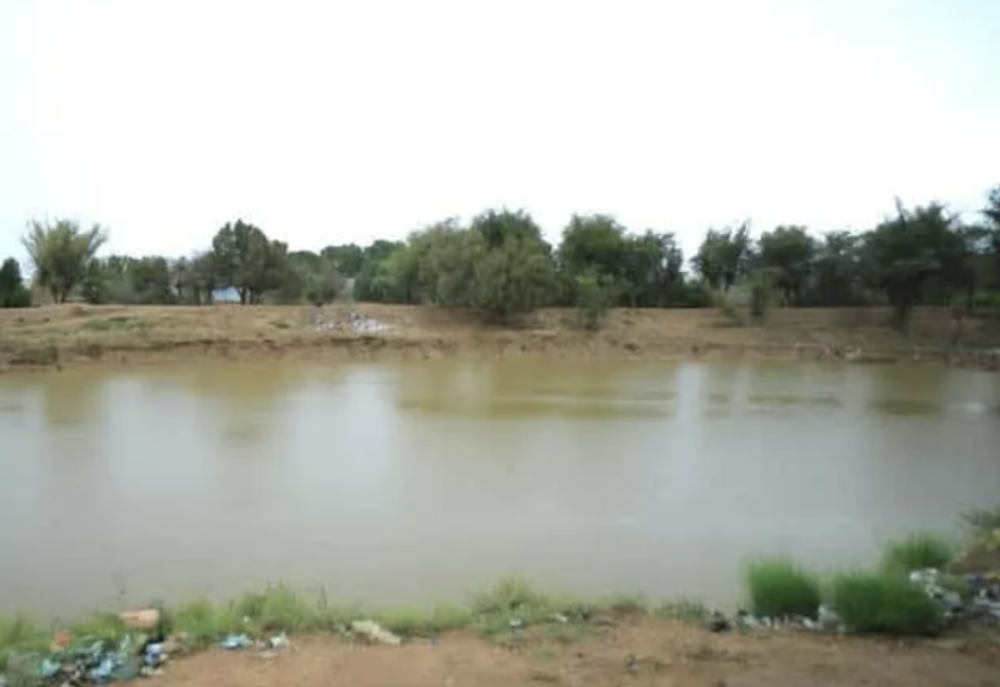
Yemen has been engulfed in a brutal civil war since 2015, stemming from deep-seated political, social, and economic issues exacerbated by various factions vying for power. The Houthis, a movement that emerged from the Zaidi Shia community in the north, have been key players in this conflict, challenging the internationally recognized government based in Aden. This ongoing war has placed immense strain on the country’s infrastructure and public health systems, leading to widespread devastation and dire humanitarian crises.
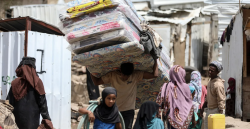
The situation has contributed to a national emergency, with over 18 million people in need of humanitarian assistance and more than 4.5 million others displaced from their homes. Access to basic services has dramatically deteriorated, with frequent outbreaks of diseases like cholera and measles complicating an already precarious situation. The widespread availability of unclean water further threatens the health of the population, particularly children, who are more susceptible to the dangers posed by such conditions.
Humanitarian Crisis Overview
Seasonal rains in Yemen can cause significant flooding, an issue that highlights vulnerabilities in many regions. With little infrastructure to manage heavy rainfall, urban areas often become inundated, resulting in tragic incidents such as drownings. The situation is exacerbated by the ongoing conflict, which has left many communities, especially in rural settings, ill-prepared to deal with environmental disasters linked to climate change.
Given its strategic location along the Red Sea and the Bab al-Mandab Strait, Yemen faces geopolitical attention from various international powers, including Saudi Arabia and Iran, due to its influence on maritime trade routes. As the conflict continues, the humanitarian toll is rising, with children disproportionately affected by both environmental and health crises amid the warfare. This harsh reality offers a glimpse into the factors that contribute to the recent tragedies linked to flooding in Yemen.
Geopolitical Context
Recent reports from Saada province reveal a deeply sad incident where three children, aged between 12 and 15, drowned in a pond formed by rainwater. These children were playing in an area known as al-Sahn when they were caught in rising waters after substantial rainfall in the region. The tragedy highlights the susceptibility of children, who often engage in outdoor activities during rainfall, unaware of the latent dangers posed by seasonal floods.
This drowning incident in Saada occurred shortly after another heartbreaking event in Taiz, where flash floods swept away two children in residential neighborhoods, indicating a troubling trend as flooding becomes an increasingly common risk throughout Yemen. Intense rainfall in the past weeks has left many communities vulnerable, raising alarming public safety concerns and drawing attention to the inadequate responses to emergencies in conflict-affected regions.
Recent Tragic Incidents
The implications of these incidents reflect a broader concern regarding infrastructure and emergency preparedness in Yemen, where the ongoing conflict hampers effective government intervention and community resilience. Children, who represent a significant portion of the population, are particularly vulnerable to such disasters, emphasizing the need for targeted measures to improve safety and awareness in flood-prone areas.
With the escalation in heavy rainfall events, there is a growing urgency to implement better flood management strategies and educational outreach programs that can help mitigate risks for children and families in these areas. Consequently, the recent deaths of young individuals underscore not only the immediate dangers posed by climate patterns but also the opportunities to enhance public safety measures.
In this challenging environment, various stakeholders are involved in addressing the tragic outcomes of seasonal floods and the broader humanitarian crisis. The Houthi movement, which controls Saada and surrounding areas, has faced criticism for its management of public safety in the wake of environmental disasters. Their focus on military engagements often overshadows pressing needs for infrastructure improvement and emergency response capabilities.
The internationally recognized government, operating from Aden and backed by a Saudi-led coalition, is also a significant player in the broader context of Yemen’s humanitarian crisis. While it seeks to establish stability and restore order, its governance is often viewed as thwarted by political divisions and resource limitations. Efforts to improve local infrastructure and provide adequate human resources for emergency response units have been inconsistent, further delaying crucial interventions for vulnerable populations.
International and local NGOs are also deeply involved in responding to Yemen’s humanitarian needs. These organizations work to provide essential relief supplies, healthcare services, and educational resources. However, their effectiveness is frequently hampered by the ongoing violence and instability, which complicates logistics and community engagement, especially in rural and conflict-affected areas.
Role of NGOs
Ultimately, the collective involvement of these stakeholders is critical to addressing the multifaceted crises facing Yemen. Strengthening collaboration among humanitarian agencies, local governance, and community leaders is essential for fostering better preparedness and resilience against natural disasters, which increasingly threaten lives and livelihoods across the nation.
The impact of flooding and such tragedies extends beyond individual communities, influencing regional dynamics within Yemen. As natural disasters continue to threaten lives, regional cooperation becomes critical for crisis management and prevention. The recurring nature of these incidents creates a pressing need for enhanced coordination between various factions, including the Houthis and the internationally recognized government, to develop effective flood management strategies.
In addition to the humanitarian repercussions of flooding, these incidents place added strains on already overstretched health and emergency services. Hospitals and clinics, which are often short-staffed and poorly equipped, face increased pressure as they respond to casualties from flood-related incidents, further complicating the ongoing health crisis. With Yemen’s healthcare system weakened by years of conflict, the ramifications for public health in times of flooding can be severe and far-reaching.
Moreover, regional economic impacts are significant as well. The persistence of environmental disasters can hinder agricultural production, worsening food insecurity for millions of Yemenis. Crop failures due to flooding can lead to price hikes and increased reliance on food assistance, further deeply entrenching the country’s dependency on international aid. This reinforces the cycle of vulnerability among communities, particularly where children are concerned.
Additionally, the geopolitical implications of these tragedies cannot be overlooked. As regional powers remain engaged in Yemen’s conflict, incidents that claim civilian lives may exacerbate tensions between various actors, potentially affecting peace negotiations and efforts toward a diplomatic resolution. The intertwined nature of humanitarian and political crises underscores the complexity of addressing the multifaceted challenges facing Yemen as it struggles to recover from both systemic conflict and environmental disaster.
The recent drowning incidents of children in Yemen illuminate wider issues related to the nation’s healthcare, emergency preparedness, and environmental risks. The persisting conflict has hindered the ability of the government—both the Houthis and the internationally recognized authority—to invest in infrastructure projects that could mitigate the impact. These incidents highlight the urgent need for improved capability in disaster management to safeguard vulnerable populations, especially children who are inherently at risk from such natural hazards.
Need for Infrastructure Investment
Furthermore, the vulnerability of children in flood-prone areas is indicative of larger systemic failures. Amidst conflict and chaos, children’s safety is often overlooked, leading to tragic yet preventable outcomes. The lack of education and public awareness about flood risks exacerbates these vulnerabilities, suggesting the need for targeted campaigns aimed at improving community engagement and preparedness.
It is imperative for local and international NGOs working in Yemen to prioritize educational programs aimed at teaching families about flood safety practices, as well as implementing community-led initiatives to respond to emergencies more effectively. These strategies must be inclusive and culturally sensitive, enabling communities to take ownership of their safety measures.
Additionally, the government—whether led by the Houthis or the internationally recognized alliance—must prioritize humanitarian needs alongside military objectives. Without a concerted effort to bolster community resilience against environmental disasters, the dangers that floodwaters present to civilians will persist, contributing to the ongoing cycle of tragedy in Yemen.
In the immediate aftermath of the tragedies caused by flooding in Saada and Taiz, local communities and authorities must come together to reassess their disaster response strategies. This may include conducting comprehensive risk assessments in vulnerable regions and enhancing public education efforts on flood preparedness. The goal should be to promote a culture of safety that empowers children and families to recognize and avoid hazardous situations.
Furthermore, it is crucial for the competing factions in Yemen to recognize the importance of prioritizing civilian safety during their political and military maneuvers. Increasing dialogues around shared community interests and humanitarian objectives can pave the way for collaborative efforts in addressing the fallout from environmental crises. By balancing conflict dynamics with humanitarian needs, stakeholders may facilitate better emergency response opportunities.
Investments in infrastructure designed to manage and alleviate flood risks will also be essential. Efforts to restore and maintain drainage systems, establish community watchdog groups, and improve the resilience of public services can create a foundation upon which to build a more secure environment for all Yemenis.
As heavy rainfall is likely to continue in future seasons, the need for sustained attention towards the vulnerabilities exposed by these recent incidents cannot be overstated. The ongoing humanitarian crisis underscores the urgency for international aid organizations to coordinate effective interventions and resources that can help communities rebuild and mitigate disaster risks. In a war-torn country like Yemen, addressing these challenges holistically is not just vital for the children impacted by flooding, but for all inhabitants facing the pervasive threats of conflict and climate change.
About the Author