Yemen’s Health Ministry and UNICEF Review Primary Healthcare Project in Taiz
 Yemen Herald News
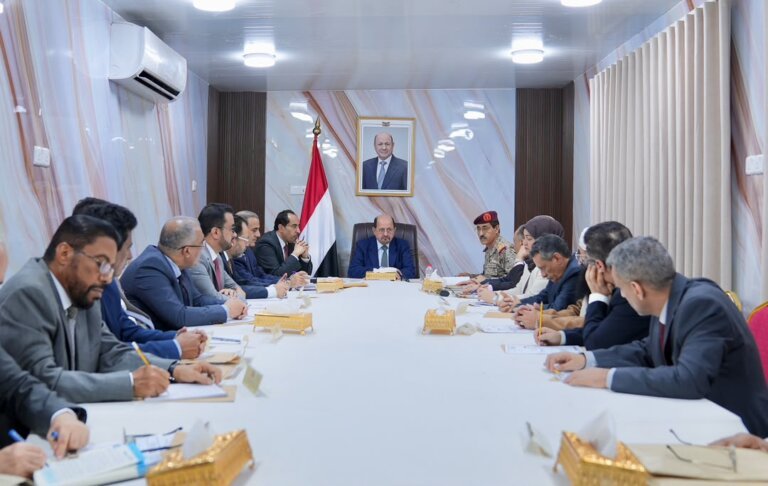
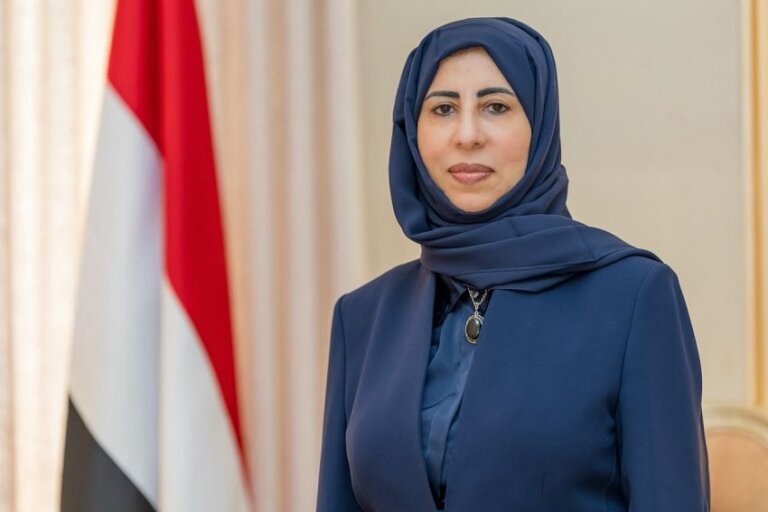
Yemen’s Minister of Public Health and Population, Dr Qasem Buhaibeh, has chaired a review meeting with senior ministry officials and representatives of UNICEF on a project to sustain primary healthcare services in Taiz governorate, one of the areas worst affected by more than a decade of conflict.
According to the ministry, the meeting examined how far implementation has progressed, the logistical obstacles the project has run into, and the activities planned for the next phase. Participants focused on tightening coordination between the ministry, the agency and the health office in Taiz so that the work already funded actually reaches facilities rather than stalling in administration.
Buhaibeh said health programmes supported by partners must be aligned with the National Health Strategy covering 2026 to 2030, which sets out the government’s intention to rebuild a functioning primary healthcare network as the foundation of the health system and as the route towards broader coverage. That insistence on alignment is a recurring theme in the ministry’s dealings with donors. Yemen’s health sector has for years been kept alive by a patchwork of externally funded projects, each with its own reporting requirements, geographic focus and timeline, and the ministry has argued that this fragmentation makes long-term planning close to impossible.
The minister also stressed the role of communities in keeping services running. He argued that outcomes depend not only on funding but on local involvement in planning, delivery and monitoring, and that facilities with genuine community ownership are more likely to survive gaps between funding cycles. In practice this means district health committees, community health volunteers and locally recruited midwives — the layer of the system that continues operating when international staff withdraw or budgets lapse.
The engagement with UNICEF sits within a wider relationship. Buhaibeh has met the agency’s representative in Yemen to discuss expanding support for the health sector, with both sides emphasising a shift towards measurable performance indicators covering service quality, financial management and the development of health information systems. The ministry has framed this as an effort to move from emergency response towards something closer to system-building, while acknowledging that emergency needs have not receded.
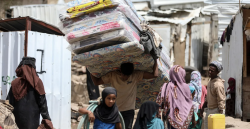
Taiz is a demanding place to attempt that. Yemen’s third city and its surrounding governorate have been divided by front lines for years, with parts of the city under government control and access routes contested. Hospitals have been damaged, staff have left, and residents have at times faced long detours to reach facilities that were once a short distance away. The governorate hosts a large displaced population alongside residents coping with conflict injuries, chronic disease and the ordinary healthcare needs that do not pause for war.
Primary healthcare is the layer the ministry has prioritised because it is the cheapest and broadest point of contact with the population. Routine immunisation, antenatal and delivery care, nutrition screening, treatment of diarrhoeal disease and respiratory infection, and the detection of outbreaks all happen at that level. When primary facilities close, the consequences appear later and more expensively in hospitals — as untreated infections, obstructed labour and severe malnutrition arriving too late for simple intervention.
The national picture explains the pressure on any single project. The United Nations estimates that more than 22 million people in Yemen will need humanitarian assistance and protection during 2026, including 5.2 million internally displaced people, 329,000 migrants and 63,000 refugees and asylum seekers. Some 18.3 million people are acutely food insecure, and the most recent food security analysis points to further deterioration, with some districts moving from crisis to emergency levels. More than 2.2 million children under five are acutely malnourished, including over 516,000 with severe acute malnutrition — a condition that requires therapeutic feeding and that sharply raises the risk of death from otherwise survivable infections.
Communicable disease adds to the load. Cumulative suspected cholera cases reached 93,496 with 248 recorded deaths as of December 2025, spread across all governorates. Cholera is a disease of damaged water and sanitation systems as much as of clinical failure, which is why primary healthcare, water supply and community outreach tend to be discussed together in Yemen rather than as separate sectors.
Money remains the binding constraint. The United Nations and its partners have appealed for $2.16 billion to reach 12 million people in 2026, with 9.4 million prioritised for targeted assistance based on severity of need. Recent Yemen appeals have closed substantially underfunded, and agencies have repeatedly had to suspend or scale back programmes mid-year. That history is part of why the ministry has pressed for support tied to national strategy and delivered through government systems: projects designed to strengthen existing facilities are more likely to leave something behind when the funding stops than parallel structures are.
Whether the Taiz project delivers on that logic will depend on unglamorous factors — whether salaries and incentives reach health workers reliably, whether supply chains hold, whether the ministry and the agency can agree on data that both trust. The ministry says it intends to continue reviewing progress with UNICEF and to extend the same approach to other governorates. For the families who depend on a functioning clinic within reach, the measure of success is narrower and more immediate: whether the doors are open, whether there is a qualified person inside, and whether the medicines on the shelf are the ones needed.
About the Author