Sanaa Explosion Causes Panic in Yemen’s Capital
 Yemen Herald News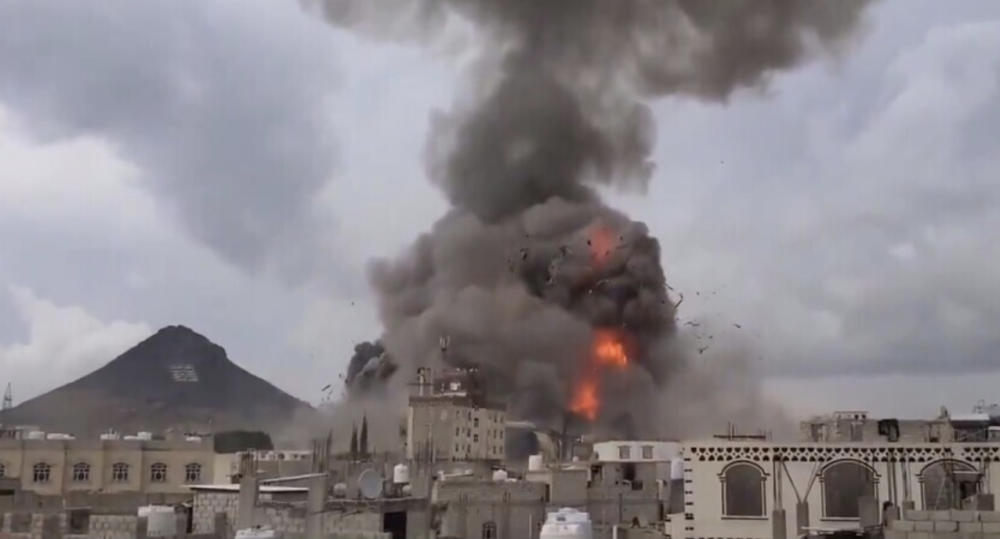
Yemen has been engulfed in a brutal civil conflict since 2015, a war that has drawn in external powers and precipitated a devastating humanitarian crisis. The conflict primarily pits the Houthi movement, which controls large parts of northern Yemen, including the capital, Sanaa, against the internationally recognized government based in Aden, supported by a Saudi-led coalition. This coalition includes several regional powers and has been actively involved in military operations against Houthi forces. The ongoing strife has resulted in a devastating impact on civilians, with over 18 million people in need of humanitarian assistance and more than 4.5 million internally displaced.
Sanaa, the capital, has been largely under Houthi control since late 2014, serving as both a strategic stronghold and a focal point for various military operations. The Houthis have established themselves as a significant force in northern Yemen, receiving backing from Iran, which has led to accusations of proxy warfare by regional actors. The unstable environment has given rise to a myriad of challenges, including recurrent outbreaks of diseases such as cholera and measles, exacerbating the existing humanitarian crises.
Houthi Control in Sanaa
Amidst this turmoil, the military dynamics in the region are constantly evolving, with both ground and air operations impacting the civilian population and the geopolitical landscape. The Red Sea region, including the Bab al-Mandab Strait, remains a navigational lifeline for global trade, adding to the complexities of the conflict. The strategic importance of these waterways has drawn significant international attention, further complicating local power dynamics and the prospects for peace.
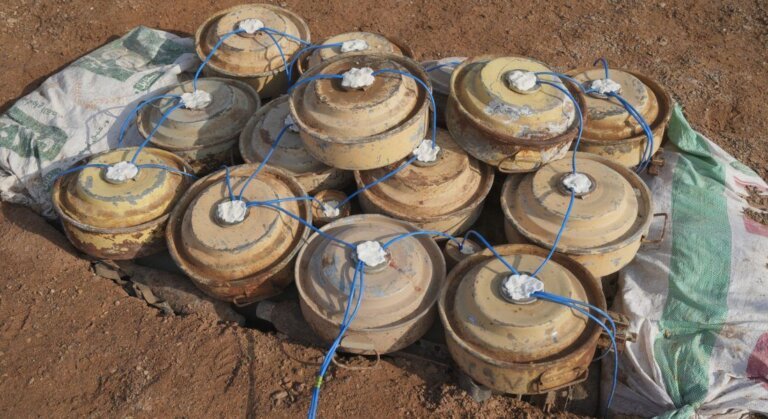
Late on Saturday night, a powerful explosion rocked Sanaa, generating panic among the city’s residents. Witnesses reported that the blast emanated from the western district of the capital, where thick plumes of smoke could be seen rising from the affected area. Initial assessments suggest that the origin of the explosion may have been an accident at a Houthi-run facility that stores weapons and missiles in the Jabal Attan region.
Residents described the explosion as particularly intense, with many experiencing fear and uncertainty in its aftermath. The immediate impact on the surrounding community remains unclear, as local reports vary on the extent of any damage or casualties that may have resulted. As of the latest information, there has been no official response or statement from the Houthi authorities regarding the incident, leaving many questions unanswered.
Impact on Local Residents
The uncertainty over the cause of the explosion has rekindled tensions in Sanaa, a city already beleaguered by ongoing conflict and instability. Observers anticipate further clarification as investigations into the incident proceed, particularly given the potential implications for safety and security within the city as well as wider regional dynamics.
The primary stakeholders involved in this incident include the Houthi movement, local residents of Sanaa, and international observers watching the situation closely. The Houthis, who have maintained a military presence in the capital throughout the conflict, face increasing scrutiny regarding the safety protocols and management of their munitions storage facilities. An incident of this nature not only raises questions about their operational capacity but also their accountability in ensuring the safety of the civilian population.
Residents of Sanaa have been under prolonged Duress due to the ongoing conflict, and a significant explosion only adds to their fears. The psychological toll of living in a war-torn city is compounded by incidents like this one, which threaten their safety and well-being. The local population is caught between the realities of armed conflict and the daily challenges necessary for survival, such as access to food, water, and medical care.
On the international stage, the explosion has drawn the attention of various humanitarian organizations and foreign governments concerned about the ongoing humanitarian crisis in Yemen. The continued instability in the region complicates the efforts of NGOs and aid agencies trying to alleviate the suffering of millions. The incident raises significant implications for peace negotiations between the warring factions and may alter the international community’s approach to the conflict moving forward.
International Concerns
The explosion in Sanaa has the potential to exacerbate tensions not just within Yemen but also in the broader Middle East. The conflict in Yemen is deeply intertwined with regional rivalries, primarily between Iran and Saudi Arabia, which have both exerted influence in the country. An incident like this could be interpreted as reflective of the broader power struggle in the region, highlighting the volatile situation that continues to unfold.
Geopolitically, the stability of Yemen is crucial for maritime security, particularly in the Red Sea and Bab al-Mandab Strait, through which a significant portion of global trade transits. An escalation of conflict in Yemen may prompt heightened security measures in shipping lanes, potentially impacting international trade routes and leading to economic ripple effects well beyond the region. Should the incident prompt increased military responses from involved parties, there could be a significant escalation in hostilities, affecting not just Yemen but neighboring nations as well.
Geopolitical Implications
In light of the ongoing humanitarian crisis, there are concerns that such incidents can disrupt humanitarian operations and access for aid workers. The explosion, alongside the recurrent conflict, places additional stress on already stretched humanitarian resources, leading to a cycle of suffering that continues to spiral out of control. The international community’s response to Yemen’s humanitarian catastrophe could be significantly influenced by how this incident unfolds, especially if it leads to increased military activity in the region.
The explosion in Sanaa underscores the underlying vulnerabilities present in a city caught in the crossfire of a protracted conflict. In a country where safety infrastructure is severely compromised due to ongoing war, such incidents reveal the potential for extensive damage not only to buildings and storage depots but also to civilian lives. This situation necessitates a closer examination of how military actors, particularly non-state players like the Houthis, manage their assets and maintain safety protocols.
Furthermore, this event could play a role in shaping public perception of the Houthis among the local population. A critical examination of their operational safety could lead to diminishing support if local residents perceive their leaders as neglectful of civilian safety. This points to a crucial intersection between military reliability and governance, where the failures in one aspect can lead to detrimental consequences in another.
The incident may also provide a surface for both domestic and international narratives around the conflict, serving as either a catalyst for increased military engagement by the Saudi-led coalition or a prompt for renewed calls for peace negotiations. With both local and foreign stakeholders paying close attention, the path forward will be determined by how effectively the ensuing actions take place in response to the explosion and the broader implications it may have on the conflict trajectory.
Moving forward, it will be essential for local authorities and the Houthis to address the incident transparently to reassure residents and the international community. Clarifying the nature of the explosion and the safety measures in place will be paramount for maintaining a semblance of stability in Sanaa. The goal will be to mitigate fear among the populace and prevent the erosion of any remaining support for the Houthis movement, which relies on the goodwill of the people to maintain its strength.
Need for Transparency
Investigations into the explosion may reveal significant insights into the operational practices of the Houthis regarding the management of military assets. Depending on the findings, there may be domestic repercussions for Houthi leadership if negligence is found to have contributed to the situation. The international community will be closely monitoring these developments as the implications extend beyond Yemen’s borders.
Furthermore, the fallout from this incident may play a role in shaping future peace negotiations. Should the explosion lead to an uptick in military action from the Saudi-led coalition, this could further complicate diplomatic talks and obstruct humanitarian efforts aimed at alleviating the suffering of millions. Conversely, a measured response might invite renewed negotiations as parties try to navigate the complex web of conflict.
In conclusion, the recent explosion in Sanaa stands as a stark reminder of the fragility of Yemen’s ongoing conflict and the potential for incidents to shift the delicate balance that exists. As stakeholders respond and process the implications of this tragic event, the need for a comprehensive approach to Yemen’s multifaceted crises has never been greater.
About the Author