UNICEF Reports 3.2 Million Children in Yemen Remain Out of School
 Yemen Herald News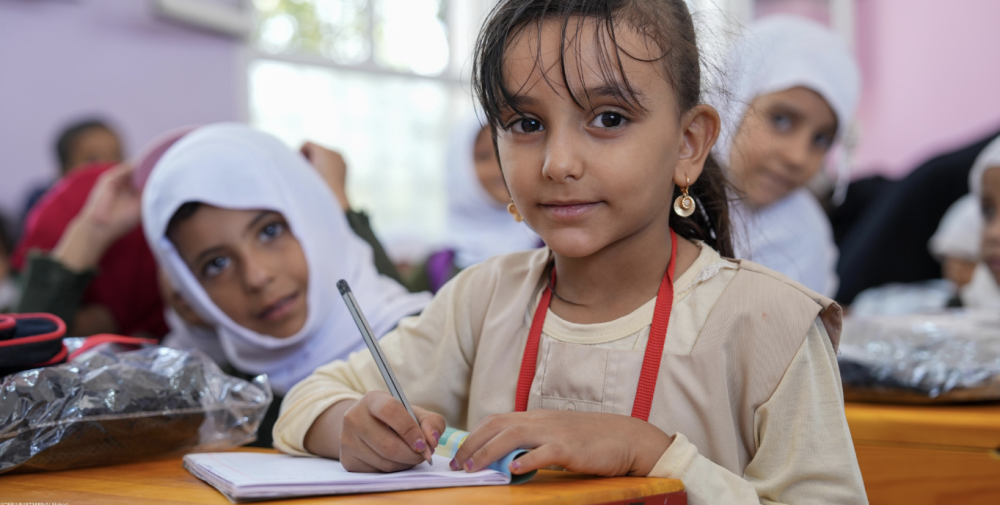
UNICEF reports that almost 3.2 million Yemeni children are still out of the education system due to cumulative crises. This staggering number highlights the urgent need for tailored interventions that can effectively address the barriers preventing children from accessing education. The organization has laid out a strategic plan targeting the years leading up to 2026, with the intent to reintegrate over 172,000 out-of-school children back into educational institutions, thereby reducing dropout rates and fostering a supportive learning environment.
To aid these efforts, UNICEF is implementing various initiatives, which include the distribution of school supplies and learning kits to more than 316,000 students. These materials are designed to meet basic educational needs and improve student engagement in the learning process. Additionally, vocational training programs aimed at approximately 1,200 teachers are part of the strategy to elevate teaching standards and improve educational quality in the region. Preparing teachers with better skills is essential not just for current educational needs but also for the long-term development of the Yemen education sector.
UNICEF's Initiatives
Despite the myriad challenges posed by the ongoing conflict, UNICEF is committed to expanding these educational efforts. The organization recognizes that the right to education must be preserved and promoted, even in the face of adversity. Acknowledging the current difficulties, their continued investment in educational programs demonstrates an understanding of the long-term implications this crisis has on the future of Yemen’s youth and society as a whole.
A variety of stakeholders play integral roles in addressing Yemen’s educational crisis. Among the primary actors is UNICEF, which is spearheading initiatives to restore children’s access to education amidst ongoing unrest. The organization collaborates with local and international partners, drawing on resources and expertise to facilitate efficient program implementation and maximize impact. Their commitment to improving educational outcomes for children is a highlighted focus amid the chaos surrounding the conflict.
Stakeholder Involvement
The Yemeni government, particularly those regions under the control of the Presidential Leadership Council, also has a stake in restoring educational services. As the internationally recognized ruling body, they face immense pressure to improve public welfare in areas they govern. Balancing the restoration of education with security concerns presents intricate challenges, but it is imperative for any long-term recovery in Yemen. Engaging with local communities and fostering trust is essential for the government’s credibility and effectiveness in addressing educational needs.
Local communities and parents are vital stakeholders as well, as they bear the primary responsibilities for their children’s well-being. Many families have been deeply affected by the conflict, suffering from displacement and economic hardships. Their involvement in educational programs and decisions is crucial for ensuring that initiatives respond well to the community’s needs. Community buy-in can help improve students’ attendance and commitment to education, reinforcing the belief that schooling is essential for their future prospects.
Additionally, international donors and NGOs play an essential part in financing and supporting educational interventions in Yemen. Their financial contributions and expertise enable organizations like UNICEF to design and implement impactful projects. Striking the right partnerships among these varied stakeholders is key to overcoming the barriers children face in accessing education and achieving a more prosperous future for all Yemenis.
The instability in Yemen has far-reaching consequences for the broader region, particularly regarding the educational challenges that arise from the ongoing conflict. Millions of displaced people and children without schooling contribute to a cycle of poverty and instability that could affect neighboring countries. This has implications for regional stability, as uneducated or undereducated youth may be more vulnerable to recruitment by extremist groups or engaging in criminal activities. The potential for unrest could eventually spill over into bordering nations, further complicating an already volatile geopolitical environment.
Regional Implications
Furthermore, the crisis in Yemen has attracted the attention of global humanitarian organizations and foreign governments, which recognize that the well-being of Yemeni children is tied to the region’s security and stability. Without addressing the educational crises, options for peace remain limited. Investment in education is not only an immediate concern for Yemen but also a strategic imperative that can alleviate some of the pressures on regional stability.
In addition to humanitarian implications, the geopolitical context cannot be overlooked. The conflict in Yemen has been characterized by the influence of regional powers such as Iran and Saudi Arabia, each supporting different factions in the overarching struggle. The condition of education, particularly how youth are trained and socialized, plays a critical role in shaping the future political landscape of the region. As educational initiatives aim to instill values of peace and cooperation, they may serve as counterweights to extremist ideologies and attempts to manipulate vulnerable populations.
Overall, the deteriorating educational environment in Yemen is emblematic of the needs and aspirations of a generation caught in the crossfire of geopolitical ambitions and local power struggles. Addressing these educational challenges remains essential, not just for the well-being of Yemeni youth, but for the stability and peace of the entire region.
The ongoing educational crisis in Yemen underscores a broader humanitarian catastrophe that requires urgent and comprehensive responses. The staggering number of children out of school—nearly 3.2 million—reflects profound systemic failures that have resulted from years of war and instability. The interplay of conflict, economic struggle, and disrupted services has severely limited educational access, but it also points to an essential opportunity for rebuilding and reintegrating children into a system that can nurture hope and offer a path toward recovery.
UNICEF’s plan to reintegrate over 172,000 children into education signifies a commitment to reversing negative trends in dropout rates and educational disenfranchisement. However, simply bringing children back into classrooms is not enough; educational quality must also be enhanced. By equipping teachers with the skills needed to address the complexities of teaching in a conflict environment, the path toward a stronger educational system is paved. Investments in teacher training and resources can lead to more effective teaching practices, fostering an environment conducive to learning amidst chaos.
Community Engagement
Moreover, the role of community and parental involvement cannot be overstated in ensuring program success. Engaging families and local communities in the educational process promotes ownership and responsibility for children’s schooling. Such collaborative efforts can improve attendance, motivate students, and build societal support for education, even in challenging circumstances. Long-term change in the educational landscape necessitates the active participation of parents and the community, who play pivotal roles in advocating for and supporting educational initiatives.
As the humanitarian and educational crises converge, addressing one without the other is unlikely to yield sustainable results. A synergistic approach that combines educational recovery with broader humanitarian responses—such as food security and healthcare—can help build a more holistic framework for recovery. In essence, investing in education while also attending to the immediate needs of families can catalyze meaningful progress and contribute to long-term stability and growth in Yemen.
Looking ahead, the coming years will be critical for Yemen’s education system as recovery efforts ramp up and international focus remains on the region. UNICEF’s proactive strategies, aiming to reintegrate over 172,000 children into schooling by 2026, lay out a necessary framework for addressing current gaps. However, particular attention to diversifying educational opportunities to meet the unique needs of children in conflict-affected areas is vital. This includes not only primary and secondary education but also vocational training programs that equip older youth with essential skills for the workforce.
Additionally, the importance of securing sustainable funding for educational initiatives cannot be understated. As international donors assess the situation in Yemen, continued financial support will be essential to ensure that programs can be fully realized and maintained over time. Engaging local private sector stakeholders could also yield new opportunities for partnerships and funding models that lift the educational system and empower communities.
The potential for recovery hinges on the commitment of all stakeholders involved. While the challenges are considerable, the dedication shown by organizations like UNICEF and the support of local communities can help steer Yemen toward a more hopeful future through education. Considerably, a focus on educational empowerment can intersect with broader efforts to promote peace and reconciliation, laying the groundwork for societal healing after years of discord.
As Yemen navigates these transformative years, attention to both the immediate and long-term needs of education will be paramount. A comprehensive approach that aligns educational recovery with humanitarian assistance and community engagement holds the promise of reshaping the Yemeni landscape for future generations, instilling resilience, hope, and potential in those affected by conflict.
About the Author