Safer Company CEO discussed challenges and cooperation opportunities in the energy sector.
 Yemen Herald News
Yemen has been embroiled in a civil conflict since 2015, deeply affecting its economy and energy sector. The war, predominantly characterized by the Houthi movement against the internationally recognized government, has resulted in a severe humanitarian crisis. The consequences are dire: over 18 million people now require humanitarian aid, and more than 4.5 million Yemenis are displaced within their own country. The ongoing conflict has led to extensive destruction of infrastructure, exacerbating the challenges faced by essential industries, particularly oil and gas.
The Safer Exploration and Production Operations Company plays a critical role in Yemen’s oil and gas sector. Despite the formidable hurdles presented by the war, Safer strives to maintain operational continuity. The company’s efforts are vital as the oil and gas sector remains one of the largest contributors to the national revenue, significantly influencing the broader economic landscape. However, with disruptions in production and exports, the economic implications are severe, threatening the stability of both the company and the state.
Efforts to stabilize and revitalize the energy sector are essential in addressing the ongoing crisis. International cooperation and expertise are needed to facilitate the development of renewable energy, which could offer a sustainable alternative amid the ongoing turmoil. The country faces not only the immediate impacts of warfare but also the long-term challenges of transitioning toward cleaner energy solutions while ensuring the continued availability of traditional energy resources.
As Yemen navigates this complex situation, engagements with foreign diplomats, like the recent meeting with the German Ambassador, highlight a strategic focus on international partnerships that can bring technical knowledge, investment, and innovation to revitalizing the energy sector.
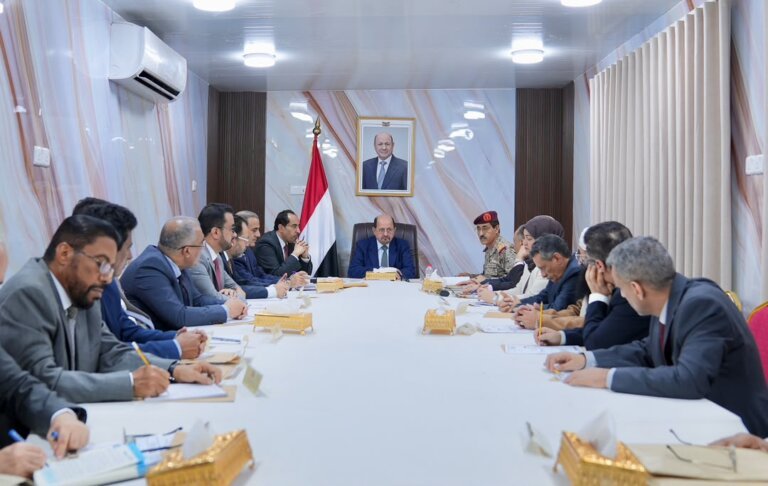
The recent meeting in Marib between the Executive Director of Safer Exploration and Production Operations Company, Eng. Salem Kaaiti, and the German Ambassador to Yemen, Thomas Schneider, addressed significant issues affecting Yemen’s energy sector. This gathering emphasized the critical state of operations within the oil and gas industry, especially considering the challenges stemming from halted petroleum exports. Eng. Kaaiti underscored the pressing need for support in overcoming barriers to operational efficiency and development initiatives.
The oil and gas industry is currently experiencing unprecedented challenges, including disruptions in the export of petroleum products and liquefied natural gas (LNG). These limitations have severe repercussions on Yemen’s overall economy. The negative impacts extend beyond immediate financial losses; they compromise future development plans, maintenance activities, and the preservation of vital energy infrastructure. Safer Company, while dedicated to maintaining continuity in operations, faces immense pressure as the ongoing situation imposes burdens on its resources.
Eng. Kaaiti pointed out that the oil and gas sector serves as a foundational pillar for Yemen’s economy, providing crucial public revenue that sustains government functions and services. In light of the escalating difficulties, it has become imperative to unify local and international efforts to stabilize the energy sector to fulfill its economic and developmental potential.
The discussions also explored potential avenues for collaboration with German enterprises in the renewable energy sphere. Engaging with Germany’s expertise offers a pathway toward technical cooperation, knowledge transfer, and capacity building, which can play a significant role in advancing Yemen’s energy landscape toward sustainability and innovation.
The key stakeholders in Yemen’s energy sector include the Safer Exploration and Production Operations Company, international partners, and the Yemeni government. The Safer Company is central to the discussion, as its activities significantly contribute to the national energy supply. Eng. Salem Kaaiti, in his role as Executive Director, is an architect of the company’s strategy to navigate the current difficulties. His engagement with international figures, such as the German Ambassador, reflects the company’s commitment to securing external support for its initiatives.
On the international front, the German government, represented by Ambassador Thomas Schneider and Deputy Ambassador Sophia Hertzberg, holds significant diplomatic leverage. Germany’s interest in Yemen’s energy sector and its commitment to fostering development can provide crucial assistance in enhancing the capabilities of local companies. By sharing technical expertise and resources, Germany could help Yemen improve its energy infrastructure and move towards more sustainable practices.
Additionally, the Yemeni government, particularly entities like the Yemen Gas Company, plays a vital role in facilitating discussions and policies that influence the energy sector. Their cooperation with international partners and private companies is essential for implementing development strategies that can address Yemen’s pressing energy challenges.
The interconnection among these stakeholders highlights the importance of collaboration in revitalizing Yemen’s energy sector. This cooperation can facilitate sustainable development efforts that not only bolster the energy industry but also contribute to broader economic recovery goals in a country desperately seeking stability.
The impact of Yemen’s energy sector challenges extends beyond its borders, especially considering the geopolitical dynamics in the Red Sea region and the strategic Bab al-Mandab Strait. As a critical maritime passage for global oil transportation, stability in Yemen directly influences regional shipping routes and, by extension, the global oil market. Disruptions in Yemen’s energy exports can lead to increased oil prices and alter supply chains, affecting economies far beyond its territorial waters.
The current instability in Yemen, primarily fueled by the civil war, has posed a threat to regional security and economic activities. Neighboring countries and international stakeholders have a vested interest in resolving the conflict and restoring order to ensure the free flow of trade and energy resources. This regional dimension highlights the interconnectedness of Yemen’s energy challenges with broader geopolitical interests, making international cooperation not only beneficial but necessary.
Moreover, as Yemen seeks to transition towards renewable energy solutions, the potential for collaboration with countries like Germany offers a glimpse of hope for sustainable practices that align with global environmental goals. As more countries shift their focus toward clean energy sources, Yemen could position itself as a participant in this global movement, offering its geographical and resource advantages while benefiting from international support.
In this context, the dialogue between Yemen and international partners, especially within the framework of energy cooperation, holds the promise of enhancing both security and prosperity in the region. With the right support, Yemen could emerge from its current turmoil with a revitalized energy sector that plays a significant role in regional stability and economic recovery.
The discussions surrounding Yemen’s energy sector encapsulate the urgent need for national resilience amid ongoing conflict. The role of companies like Safer is critical as they navigate the complexities of maintaining operational continuity while facing significant external and internal pressures. A focus on enhancing technological capabilities, particularly in renewable energy, may provide pathways for future growth, as conventional oil and gas resources become increasingly constrained.
Yemen’s reliance on oil and gas for economic viability underscores a pressing necessity for diversification within its energy portfolio. The commitment shown by the German government to assist in this transition represents a crucial opportunity for Yemen to leverage external expertise and resources. Tackling the myriad issues facing the energy sector requires not just immediate solutions but also long-term strategic planning that encompasses sustainability and modernization.
Moreover, fostering a collaborative framework between local entities and international partners can promote stability and growth in Yemen’s energy sector. Such cooperation would not only enhance operational efficiencies but could also lead to new investment opportunities that prioritize renewable sources of energy. As global priorities shift toward climate change mitigation, Yemen’s energy strategy could align with these goals, positioning the country favorably for international support.
In conclusion, the situation surrounding Yemen’s energy sector is multifaceted, involving economic, environmental, and geopolitical dimensions. Tackling these challenges necessitates an integrated approach that brings together stakeholders from various sectors, stressing the need for sustained dialogue and partnership.
The future of Yemen’s energy sector will largely depend on the ability of stakeholders to implement collaborative strategies that address the pressing issues outlined in recent discussions. Eng. Kaaiti’s meeting with the German Ambassador marks a significant step toward forging international partnerships aimed at revitalizing the sector. However, successfully navigating the complexities of Yemen’s civil conflict will require sustained commitment from both local authorities and foreign partners.
In the immediate term, priority should be given to reestablishing operational capacity within the oil and gas sector, ensuring that production and export activities resume to stable levels. This effort must be supported by coordinated international assistance that focuses on stabilizing the economic environment and enhancing local capabilities. As Safer Company continues to advocate for increased support, the international community’s response will be pivotal in shaping the sector’s trajectory.
Looking further ahead, Yemen’s energy landscape could benefit immensely from modern technologies and the integration of renewable energy sources. As partnerships with countries like Germany develop, Yemen may uncover avenues for innovation that not only improve efficiency but also align its energy strategy with global sustainability trends. This shift could attract more investments into the sector, facilitating a broader economic recovery.
Ultimately, the path forward for Yemen’s energy sector lies in resilience, innovation, and strategic collaboration. If these elements are effectively utilized, there is potential for the sector to emerge stronger, playing a crucial role in Yemen’s recovery and contributing positively to the regional socio-economic landscape.
About the Author