Aid coordination for recovery efforts in Yemen gains momentum with U.N. support.
 Yemen Herald News
The ongoing civil conflict in Yemen, which began in 2015, has led to a catastrophic humanitarian crisis compounded by political instability. The war erupted when the Houthi movement, a Shiite rebel group, overthrew the internationally recognized government of President Abd-Rabbu Mansour Hadi. This triggered intervention from a Saudi-led coalition, intending to restore the Hadi government. As the conflict has persisted, regions like Aden have emerged as focal points of governance for the Presidential Leadership Council, which was established to unify various factions of the Yemeni government and coordinate efforts for recovery and stability.
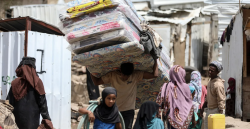
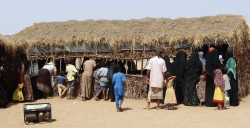
Yemen’s humanitarian crisis has reached alarming levels, with over 18 million people requiring assistance. The country has witnessed one of the world’s most severe humanitarian emergencies, characterized by widespread famine, displacement, and frequent outbreaks of diseases like cholera and measles. By 2023, over 4.5 million individuals were classified as internally displaced persons (IDPs), struggling to access basic services. The complexities of the situation are further exacerbated by geopolitical tensions in the region, including the strategic waterways of the Red Sea and the Bab al-Mandab strait, which are critical to international shipping and trade.
Given this intricate backdrop, international organizations, particularly the United Nations, have been actively involved in humanitarian efforts, striving to provide aid and support recovery initiatives. However, the coordination between the Yemeni government and UN bodies has encountered significant challenges that need to be effectively addressed to enhance the outcome of aid and development strategies. The recent discussions between Yemeni officials and the UN represent a renewed commitment to strengthening partnerships that could pave the way for more effective interventions amidst the ongoing crisis.
Recently, Dr. Afrah al-Zouba, the Yemeni Minister of Planning and International Cooperation, engaged in discussions with Laurent Bukera, the UN Resident Coordinator and Acting Humanitarian Coordinator in Yemen. Their meeting aimed to amplify the collaboration mechanisms between the Yemeni government and UN bodies, focusing on aligning development and recovery priorities. This coordination is crucial as Yemen navigates various challenges related to humanitarian responses and the implementation of development programs.
A critical aspect of the discussions was the preparation for the upcoming United Nations Sustainable Development Cooperation Framework. Dr. al-Zouba emphasized the need for this framework to reflect Yemen’s national priorities and government strategies, fostering a sense of national ownership of development initiatives. There is a strong emphasis on collaboration across governmental entities to ensure that the country’s unique context informs the international development agenda.
Another vital point addressed in the meeting was the integration and improvement of data-sharing mechanisms to enhance coordination in planning efforts. The current lack of efficient communication channels has been a significant barrier to the effective execution of humanitarian and development projects. The Yemeni government is making strides to prepare the National Development Plan, a medium-term strategy that will outline priorities for economic recovery and development alignment with international support.
A multitude of stakeholders are involved in Yemen’s recovery efforts, each having unique roles in the ongoing processes. The Yemeni government, represented by officials such as Dr. Afrah al-Zouba, is at the forefront of planning and implementing development strategies. The government’s ongoing commitment to partner closely with UN agencies highlights its recognition of the critical role international assistance plays in rebuilding the country. This cooperation is essential for harmonizing local and international priorities, ultimately focusing aid where it is needed most.
The United Nations serves as a vital player, providing essential humanitarian aid and facilitating development programs across the country. As the acting humanitarian coordinator, Laurent Bukera has been instrumental in coordinating UN operations in Yemen, ensuring that relief efforts are effectively aligned with the needs of the population. This role includes assessing humanitarian needs, mobilizing resources, and working with various UN agencies to implement assistance programs in coordination with the Yemeni authorities.
Other significant stakeholders include various international NGOs, community organizations, and local charities, all of which contribute to the on-the-ground response to the humanitarian crisis. These organizations often fill the gaps left by governmental efforts, delivering specialized services such as healthcare, education, and food security programs. Their grassroots knowledge and experience can provide critical insights into the most pressing needs faced by the population, making them essential partners in the recovery process.
The stability of Yemen holds significant geopolitical importance in the Middle East, particularly due to its location near vital shipping routes in the Red Sea and the Bab al-Mandab Strait. The ongoing conflict has not only led to humanitarian disasters but has also created conditions that can impact regional security and trade. The involvement of various regional powers, including Saudi Arabia and Iran, as they support opposing factions in Yemen, adds layers of complexity to the situation.
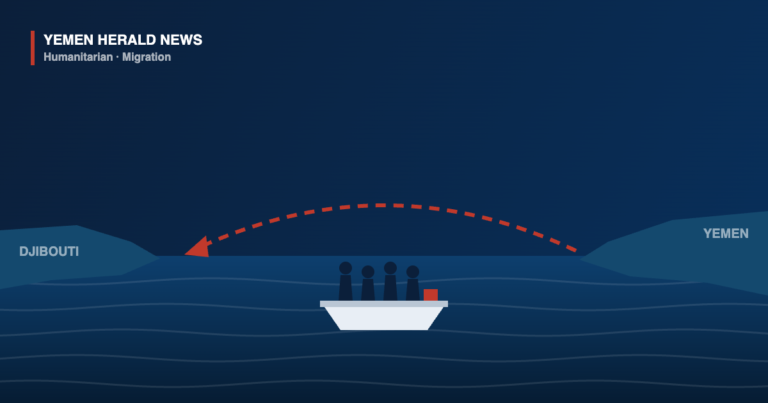
The refugee crisis stemming from the Yemen conflict has also had repercussions on neighboring countries, straining resources and prompting political responses that seek to address the influx of displaced individuals. Countries within the Gulf Cooperation Council (GCC) are particularly affected, as they are in proximity to Yemen and face potential security challenges brought on by instability and violence spilling across borders.
Moreover, climate change poses additional threats to Yemen, heightening the urgency for climate adaptation initiatives. Dr. al-Zouba’s call for establishing a national early warning system for climate-related disasters underscores the need for the Yemeni government and international partners to work together in addressing environmental vulnerabilities. The repercussions of climate change are likely to exacerbate existing humanitarian concerns, further compounding the crises faced by millions of Yemenis.
The recent discussions between the Yemeni government and the United Nations signal a renewed commitment to addressing the multifaceted challenges faced in Yemen. The emphasis on a collaborative approach to humanitarian and development programs reflects an understanding that the effective reconstruction of Yemen will require synchronized efforts from both local and international players. This holistic perspective is crucial for developing strategies that are not only responsive to immediate humanitarian needs but also supportive of long-term recovery and stability.
Furthermore, prioritizing the establishment of mechanisms for improved data sharing can enhance transparency and efficiency in program implementation. By facilitating better communication among various stakeholders, the Yemeni government can align aid with the most pressing needs of its citizens while ensuring accountability for resources allocated to recovery efforts. This may also help to rebuild trust between the government and the populace, which is vital for fostering a stable socio-political environment.
The upcoming United Nations Sustainable Development Cooperation Framework represents a critical opportunity for the Yemeni government to assert its priorities on the international stage. For meaningful progress, however, it is essential that this framework not only aligns with national objectives but also actively involves local communities in the planning and implementation processes. Engaging the population can empower citizens and build resilience against future crises, thus fostering a sense of ownership over development initiatives.
As the Yemeni government and the United Nations move towards the development of the new Cooperation Framework, it will be crucial to maintain momentum in coordination and partnership activities. Both parties must prioritize holding expanded meetings that encompass all relevant stakeholders, allowing for comprehensive discussions about cooperation priorities moving forward. These meetings will be instrumental in ensuring that the framework comprehensively addresses the urgent needs of Yemen while aligning with national development strategies.
Moreover, the emphasis on establishing an early warning system for climate-related disasters should prompt immediate action. Yemen faces numerous climate challenges that threaten its already tenuous humanitarian situation. Facilitating cross-sector collaboration to implement these systems will not only help mitigate the impacts of climate change but also improve resilience among the most vulnerable communities.
In the upcoming months, keen attention will be directed toward the formation and execution of the National Development Plan. This plan needs to define strategic priorities clearly, enabling the Yemeni government to guide recovery efforts effectively. Through continuous engagement with international partners and local stakeholders, Yemen can work toward not only recovering from the current crisis but also laying the foundation for a more resilient and prosperous future. The pathway ahead will require diligence, innovation, and a collective commitment to rebuilding Yemen, necessitating robust collaboration among all involved parties.
About the Author