José Mourinho’s return as Real Madrid manager was confirmed after 13 years.
 Yemen Herald News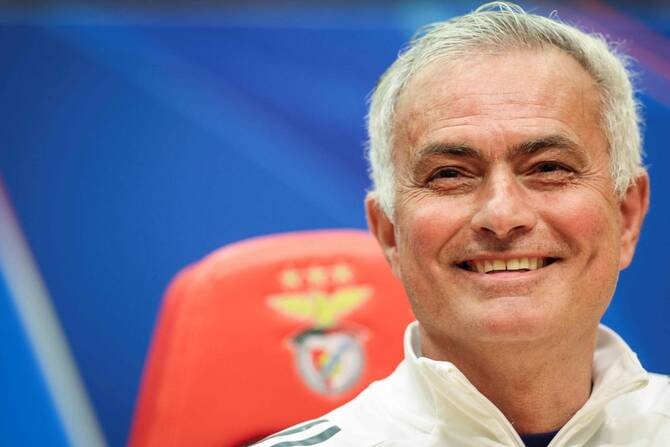
The return of José Mourinho to Real Madrid has been officially announced, marking a significant chapter in the storied history of one of football’s most illustrious clubs. The 63-year-old Portuguese manager, who previously led Madrid from 2010 to 2013, has signed a three-year deal after a spell at Benfica. His arrival comes in the wake of a disappointing season for Real Madrid, which saw them underperform in both domestic and European competitions. Following the mid-season dismissal of coach Xabi Alonso due to player discontent and a string of poor results, the club has turned to Mourinho in hopes of restoring stability and success.
Mourinho’s tenure at Real Madrid was marked by notable achievements, including a La Liga title in the 2011-2012 season and a Copa del Rey victory the year prior. His managerial prowess has been evident throughout his career, where he has clinched major titles with clubs such as Porto, Inter Milan, Chelsea, and Manchester United. After his time at Madrid, he took on roles in various European leagues, including a successful stint at Roma, where he won the UEFA Europa Conference League. Now, as he returns to the Santiago Bernabéu, expectations are high for him to replicate his past successes.
The backdrop to Mourinho’s return is a tumultuous period for Real Madrid. The club’s recent season was riddled with issues, including a disjointed squad and a first-round exit from the Champions League at the hands of Bayern Munich. The atmosphere in the locker room was reportedly tense, with incidents of player discord leading to serious confrontations. The appointment of Mourinho is seen as a crucial step for the club’s president, Florentino Pérez, who has committed to restoring order and revitalizing the team’s competitive edge.
José Mourinho has officially taken the reins at Real Madrid, signing a three-year contract after parting ways with Benfica, where he had returned to begin his managerial career. His return is seen as a strategic move to mend the fractures within the squad and to rejuvenate the club’s performance on the field. The timing of his appointment is particularly critical, as Real Madrid gears up for pre-season training starting on July 13.
Mourinho’s previous accomplishments at Real Madrid included winning La Liga and the Copa del Rey, showcasing his ability to thrive in high-pressure environments. His managerial resume is further decorated with triumphs in the UEFA Champions League, having secured the prestigious title with both Porto and Inter Milan, as well as multiple league championships in England. His return to Madrid is underscored by a need for a strong leader capable of navigating through the challenges posed by the current squad’s dynamics.
In light of Mourinho’s appointment, Benfica will receive a compensation fee of approximately €15 million. The Portuguese club has already announced Marco Silva as Mourinho’s successor on a two-year deal, with the option to extend for an additional season. Silva, who recently departed Fulham after five years, brings his own set of experiences and expectations as he steps into the role at Benfica.
Real Madrid’s current squad boasts a mix of seasoned veterans and emerging talents, yet the recent season has highlighted significant discord within the team. The departure of Xabi Alonso was largely influenced by discontent among players, leading to a lack of cohesion on and off the pitch. Mourinho’s return is viewed as an opportunity to mend these relationships and create a more harmonious environment conducive to success.
Key players such as Fede Valverde and Aurélien Tchouaméni have been at the center of recent controversies, underscoring the need for a unifying figure like Mourinho. His authoritative management style is expected to instill discipline and a renewed focus among the players. Additionally, with a strong tactical acumen and a history of revitalizing underperforming squads, Mourinho will need to quickly assess the strengths and weaknesses of his players to implement his strategies effectively.
Furthermore, the club’s leadership under Florentino Pérez is pivotal. Pérez’s re-election as president reflects a commitment to long-term stability and success for Real Madrid. By placing Mourinho at the helm, Pérez aims to combine the manager’s experience with his own vision for the club’s future. The focus will be on not only winning titles but also restoring the club’s reputation as a dominant force in both domestic and European football.
Mourinho’s tactical approach has always been multifaceted, often adapting to the specific challenges posed by opponents while emphasizing defensive solidity. His return to Real Madrid is likely to see a shift in tactics aimed at addressing the defensive frailties that were evident in the previous season. Known for his strategic mind, Mourinho may implement a more pragmatic style of play that emphasizes organization and discipline, particularly in high-stakes matches.
Moreover, Mourinho’s history of successfully managing star-studded squads suggests that he will need to find ways to maximize the potential of his current players. This includes working closely with key figures in the squad to ensure that their talents are harnessed effectively. For Real Madrid, this could mean a return to a more traditional formation that allows for both defensive stability and attacking prowess, potentially reigniting the club’s attacking flair that has been somewhat missing in recent seasons.
The competitive landscape of La Liga, coupled with the challenges of European competitions, will require Mourinho to instill a winning mentality throughout the squad. His experience in managing high-pressure situations will be crucial as Real Madrid seeks to reclaim its position at the top of both domestic and European football. The rivalry with Barcelona, now more fierce than ever, will also demand a tactical readiness that can withstand the intense scrutiny and expectations that come with leading such a prestigious club.
The decision to reappoint José Mourinho has sparked a mix of reactions among fans and analysts alike. On one hand, there is excitement surrounding his return, given his previous successes and charismatic personality. On the other hand, there are concerns regarding the potential for clashes with players, particularly those who may not respond well to his demanding style. The key will be whether Mourinho can adapt his approach to the evolving dynamics of the modern game, which increasingly requires flexibility and collaboration.
His previous stint at Real Madrid was marked by both triumph and controversy. While he achieved considerable success, there were also instances of conflict that overshadowed his accomplishments. This time around, Mourinho faces the challenge of not only winning titles but also fostering a positive team environment. If he can balance these elements effectively, there is a strong possibility that he will succeed in restoring Real Madrid to its former glory.
Additionally, Mourinho’s return raises questions about the broader strategy of Real Madrid’s management. The reliance on established figures like Mourinho suggests a certain level of conservatism in the club’s approach to leadership. While experience is invaluable, the club must also consider the integration of fresh ideas and innovative tactics that can keep pace with the evolution of football. The blend of Mourinho’s experience with new methodologies could prove to be a winning combination for the club.
Looking ahead, Mourinho’s primary focus will be on the upcoming pre-season, as he begins to implement his vision for the squad. The initial weeks will be critical for assessing player fitness, integrating new tactics, and establishing a cohesive team unit. The pressure will be on him to hit the ground running, particularly with the opening matches of the new season fast approaching.
Real Madrid will need to address its squad depth and potential transfer targets to strengthen key areas. The transfer window presents an opportunity for Mourinho to shape the team according to his tactical preferences, and fans will be eagerly watching for any new signings that could bolster the squad. The club’s management will likely back Mourinho in the market, given the significant investment in his reappointment.
Moreover, the expectations for immediate success will be immense. Mourinho will have to navigate the challenges of ambitious rivals while also managing the pressures of the Real Madrid job, which is notoriously unforgiving. Success in the domestic league and a strong showing in the UEFA Champions League will be paramount for Mourinho to solidify his position and regain the trust of the fans, players, and club hierarchy.
In conclusion, José Mourinho’s return to Real Madrid marks a pivotal moment for the club. With a storied history and a reputation to uphold, the challenges ahead will require skill, determination, and a strategic approach. As the new season approaches, all eyes will be on Mourinho to see if he can rekindle the magic that once saw Real Madrid dominate both domestically and in Europe.
About the Author