A study reveals a 40% increase in violent attacks on schools and students globally.
 Yemen Herald News
Over the past few years, the global landscape for education has become increasingly perilous. The onset of armed conflicts and political instability in numerous regions has led to a notable rise in attacks on educational institutions. This rise is not merely a symptom of isolated violence; rather, it reflects a broader trend where education is frequently targeted as part of military and strategic objectives. Educational facilities, once considered safe havens for learning and growth, are now often entrenched in the crosshairs of conflict, making the act of attending school a harrowing experience for many students worldwide.
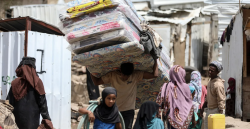
The persistent violence exacerbated by conflicts—such as the ongoing civil war in Yemen—shows a grim correlation with deteriorating educational environments. Since 2015, Yemen has suffered under the strain of civil war characterized by Houthi military engagement against a Saudi-led coalition. This prolonged conflict has devastated the educational infrastructure, displacing millions and hindering access to basic schooling. The loss of educational opportunities, especially in conflict zones, threatens the future of a generation that must contend with trauma and instability.
Reports highlight that not only are students and educators endangered in these settings, but the principles that safeguard education are faltering. There is an increasing normalization of violence against schools, with implications reaching beyond immediate harm, as they undermine trust in educational systems and disrupt the social fabric. The current turmoil renders numerous children unable to pursue their right to an education, escalating into a humanitarian crisis that the international community continues to grapple with amid ongoing instability.
Recent findings have indicated a staggering increase in violent incidents against educational settings worldwide. In two years, over 8,556 attacks were reported, resulting in more than 10,600 individuals—students and education staff alike—being killed, injured, abducted, or otherwise harmed. This marks a 40% uptick compared to previous years, revealing how the targeting of education has surged alarmingly across the globe.
Incidents were reported from 83 different countries, with Colombia, the Democratic Republic of the Congo, Ethiopia, Haiti, Palestine, and Ukraine noted as the most severely impacted regions. For example, Ukraine counted approximately 900 assaults on educational institutions, while Palestine faced at least 2,400 attacks affecting both personnel and students. The extreme escalation of violence is alarming, particularly in a year marked by extensive conflict-related casualties.
One particularly disturbing trend highlighted in the recent studies is the near doubling of military forces or armed groups occupying educational facilities, with recorded instances soaring to 1,912. Such occupations compromise the sanctity of learning environments, forcing schools to close or operate under distressing conditions, often leading to educational abandonment. This dangerous shift raises alarms about the safety and security of students, emphasizing a pressing need for urgent intervention at national and international levels.
The ramifications of these attacks extend to diverse groups, impacting not only students and educators but also communities reliant on educational institutions. Governments, non-governmental organizations, and advocacy groups play vital roles in responding to the escalating crisis. The emphasis must be on creating protective measures and advocating for fundamental changes in policy related to armed conflict and education.
Organizations like the Global Coalition to Protect Education from Attack have emerged as significant stakeholders in this arena, drawing attention to the urgent need for intervention and protection for schools. This coalition aims to mobilize resources, influence policymakers, and raise awareness within global forums about the critical intersection of education and security. The voices within these organizations advocate for robust legal frameworks to safeguard educational settings, emphasizing preventive measures to avert further deterioration of the situation.
Among the most affected groups are girls and young women, who are frequently targeted due to their gender within conflict zones. Reports indicate a distressing pattern where attacks are specifically directed at girls’ educational institutions, raising significant concerns about gender-based violence and access to education for women. Similarly, students with disabilities face even harsher realities, as their already limited access to education is further strained during conflict. This multifaceted impact necessitates a comprehensive approach to education that addresses the unique challenges faced by marginalized groups, ensuring equitable access for all.
In regions deeply entrenched in conflict, the ramifications of attacks on education extend beyond immediate violence. In nations like Yemen and Nigeria, a staggering loss of educational infrastructure has led to a humanitarian crisis, leaving millions of children without access to schools. In Yemen, the civil war has resulted in schools becoming battlegrounds or being destroyed, with significant segments of the population suffering under the weight of such systemic disruption.
The situation is particularly dire in Nigeria, where educational establishments often become targets for armed groups. Numerous instances of kidnapping—particularly of female students—highlight the perilous environment for educational endeavors. Such attacks have not only a physical impact but also a psychological one, instilling a culture of fear that deters families from sending their children to school. The long-term implications of disrupted education systems in these regions can create a cycle of poverty, extremism, and social instability.
Moreover, the scenario in Ukraine encapsulates a broader geopolitical struggle impacting the education of millions. The ongoing conflict has led to relentless assaults on schools, with missiles and drones frequently used as weapons against educational sites. The resultant loss of life and infrastructural damage has ramifications that ripple across society, causing an escalation in dislocation, trauma, and challenges to recovering educational normalcy. As the conflict continues, the potential for an entire generation to be left uneducated looms large, threatening future national development.
The findings of the recent report align with broader trends seen over the last decade, where an increasing number of children are living in conflict-affected scenarios. The stark reality of violence against education signals a systemic issue rather than sporadic episodes, highlighting that attacks are not only opportunistic but also strategically aimed to undermine societal structures. Each attack diminishes the faith in education as a secure domain for the youth, breeding a generation disillusioned with the idea of schooling.
The rise in documented violence against educational institutions underscores a declining adherence to international humanitarian laws, with impunity seemingly growing for those who perpetrate such acts. States appear to be operating without sufficient apprehension of consequences, thus perpetuating cycles of violence against civilians and educational settings. The implications of such actions contribute to a culture of instability, where educational systems are dismantled, and the hope for peace and progress dims.
This concerning trend reflects broader sociopolitical dynamics whereby the venues for education become battlegrounds amid conflicts. The destruction of educational infrastructure has grave consequences on social development, economic growth, and the psychological well-being of generations. With millions already displaced, further attacks on education only exacerbate the humanitarian crisis, placing additional burdens on already strained healthcare and social services across communities.
To address these alarming trends, immediate action at both national and international levels is crucial. Stakeholders are tasked with creating protective measures to safeguard educational facilities and ensure that students can learn in a safe environment. Nations must proactively engage in dialogue to create frameworks that prohibit military use of educational spaces, thus fortifying legal protections for schools and enhancing accountability for those who violate these norms.
Investment in monitoring and reporting systems is essential to alert communities and authorities to threats of violence against education. The implementation of early warning systems could serve as a deterrent against potential attacks, fostering an environment where education can be prioritized and protected. Efforts should also include addressing gender-based violence in education, improving accessibility for students with disabilities, and ensuring support for frontline education staff who are often vulnerable in conflict zones.
Additionally, the international community needs to rethink humanitarian aid strategies, focusing on bolstering educational programs as part of broader recovery efforts post-conflict. By facilitating funding dedicated to rebuilding educational infrastructure and supporting displaced populations, affected countries can be steered toward recovery and healing. The future of education in conflict-affected regions hangs in the balance, necessitating urgent commitments and actions to safeguard this fundamental right and investment in human potential.
About the Author