Discussions on National Fisheries Strategy Procedures Held by UNDP and the Agriculture Ministry
 Yemen Herald News
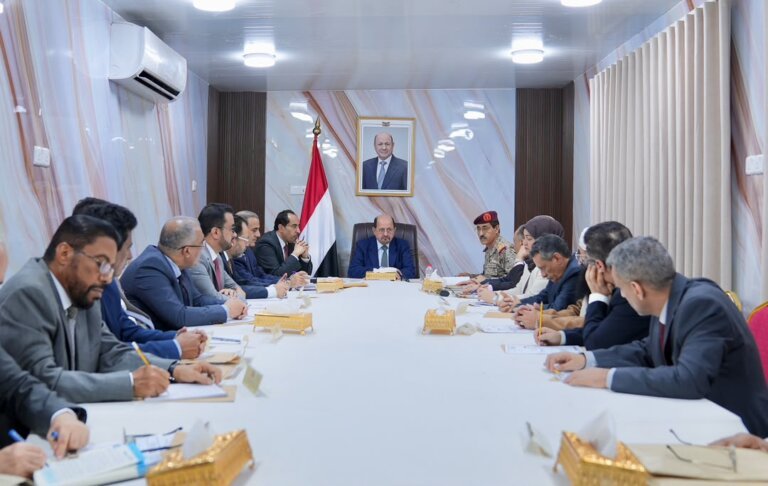
On a recent Monday, a coordination meeting was held in Aden, bringing together officials from the Yemeni Ministry of Agriculture and Fisheries and representatives from the United Nations Development Programme (UNDP). The primary aim of this gathering was to initiate discussions on formulating a National Fisheries Strategy aimed at covering the period from 2026 to 2036. This strategy is critical in mitigating the effects of the ongoing conflict on the fisheries sector and ensuring sustainable practices in the future.
The meeting was marked by the participation of Ghazi Lahmar, the Undersecretary of the Ministry, who highlighted the intention to develop a comprehensive draft strategy. The focus centered on utilizing existing data and navigating the challenges present within the fisheries sector. By reviewing available information, stakeholders aim to better understand the significant hurdles that need addressing, from overfishing to environmental sustainability.
One of the most pertinent outcomes of the meeting was the acknowledgment of the need for enhanced coordination among various relevant authorities. There is a strong consensus that collaboration is essential to effectively implement the strategy. This collective effort is envisioned to bolster the fisheries sector’s contributions to the national economy, positioning it as a cornerstone for sustainable development in the context of Yemen’s broader recovery efforts.
Several key stakeholders play an integral role in the development and implementation of the National Fisheries Strategy. The Yemeni Ministry of Agriculture and Fisheries is at the forefront, tasked with leading initiatives to stabilize the fisheries sector and promote sustainable practices. Their commitment to this cause is evident in their proactive approach to capacity building and fostering partnerships with international organizations.
The United Nations Development Programme is another critical player, bringing international expertise and support to the table. The UNDP’s involvement emphasizes not only the urgency of the fisheries sector’s revitalization but also the importance of international cooperation in addressing logistical and resource-related challenges. Their role as facilitators can help bridge gaps between governmental agencies and local communities reliant on fishing for their livelihoods.
Local communities and fishermen are perhaps the most vital stakeholders in this initiative. These individuals are directly affected by the outcomes of the National Fisheries Strategy, as their daily practices and incomes are intrinsically linked to the health of the sector. Engaging these stakeholders in the development process is crucial for ensuring that their perspectives and needs are adequately represented, ultimately leading to more effective and sustainable outcomes.
Moreover, environmental experts and NGOs focused on marine conservation are also crucial to the discussion. Their insights can guide the strategy towards practices that not only boost yields but also protect Yemen’s marine ecosystems from degradation, providing a balance between economic growth and environmental stewardship.
The revitalization of the fisheries sector in Yemen could have far-reaching implications not just domestically but also within the broader region. Yemen’s location along the Red Sea and at the gateway to the Bab al-Mandab Strait positions it as a pivotal area for maritime trade and fisheries. Strengthening the fisheries sector could enhance Yemen’s role in regional food security, which is particularly critical given ongoing conflicts in nearby nations affecting their own food production.
Implementing a sustainable fisheries strategy has the potential to stabilize local economies and increase food availability, which is crucial amid regional issues like drought and fluctuating prices for essential goods. As Yemen rebuilds its economy post-conflict, reinvigorating this sector could also open up new trade opportunities with neighboring countries looking for seafood supplies, thus enhancing economic ties and cooperation in the region.
However, challenges remain from geopolitical tensions that could inhibit progress. The interplay between various regional powers, including Iran’s influence through the Houthis, complicates the establishment of a unified approach to fisheries management. Additionally, the history of conflict could lead to mistrust among stakeholders, necessitating a careful, inclusive strategy that prioritizes community engagement and transparency.
As the national strategy is developed, regional dynamics must remain a consideration. The implications of Yemen’s fisheries policies could potentially reverberate across territorial waters, making collaboration or competition with neighboring nations a significant aspect of future discussions. The ability to navigate these complexities will be critical for ensuring a successful outcome.
The ongoing conflict in Yemen has rendered traditional economic structures fragile, leaving the fisheries sector in dire need of comprehensive strategic reform. The meeting in Aden marks a pivotal moment for the sector, with the potential to pave the way for recovery and resilience. By outlining a strategy that accounts for the unique challenges posed by the civil war, stakeholders can make substantial strides toward revitalizing a crucial industry.
Future success hinges on a few key factors. Firstly, the importance of data utilization cannot be overstated. An effective strategy must be evidence-based, taking into account current conditions, challenges faced by local fishermen, and environmental impacts. The comprehensive gathering and analysis of data are imperative for identifying sustainable fishing practices that ensure economic viability while protecting marine resources.
Coordination among stakeholders presents both an opportunity and a challenge. Efforts to enhance partnerships and collaboration must be maintained throughout the strategy’s implementation. Fostering trust between governmental bodies, international partners, and local communities will be vital to overcoming obstacles posed by the historical context of Yemen’s conflict. Ensuring representation and input from those directly affected will build resilience and encourage community support.
Finally, the environmental component of the fisheries strategy is paramount. As climate change and human activities threaten marine ecosystems, prioritizing sustainable practices is essential not only in the context of fish catch but also for the overall health of the marine environment. The balance between economic development and conservation will be necessary for long-term sustainability, benefitting both current and future generations of Yemenis.
The immediate next steps involve refining the national draft strategy for the fisheries sector in collaboration with all stakeholders. This process includes gathering more detailed data to inform decision-making and ensure that the unique challenges of the sector are well understood. Stakeholder consultations will become a recurring theme as the strategy evolves, allowing for adaptability and responsiveness to emerging issues.
Following the completion of the draft strategy, discussions will shift towards concrete implementation plans. This will likely involve setting specific targets for fisheries output, monitoring practices, and assessing the environmental impacts of fishing activities. Additionally, training and capacity-building initiatives will be essential to equip local fishermen with the knowledge and tools necessary for sustainable practices.
Collaboration with international agencies such as the UNDP will continue to play a crucial role in providing the needed expertise and resources. Funds and programs aimed at supporting fisheries may be sought from various global partners, identifying opportunities for investment in Yemen’s fisheries infrastructure.
Finally, ongoing evaluation will be necessary to track progress and maintain accountability among stakeholders. Regular assessments of the strategy’s impact will help identify areas for improvement and reinforce the commitment to sustainable fishing practices and marine conservation. As Yemen forges ahead, the fisheries sector represents a beacon of hope for economic revitalization, food security, and regional cooperation, but the path will require unwavering dedication.
About the Author