The fifth cardiac surgery camp is launched by the Health Minister at Aden Charitable Heart Center.
 Yemen Herald News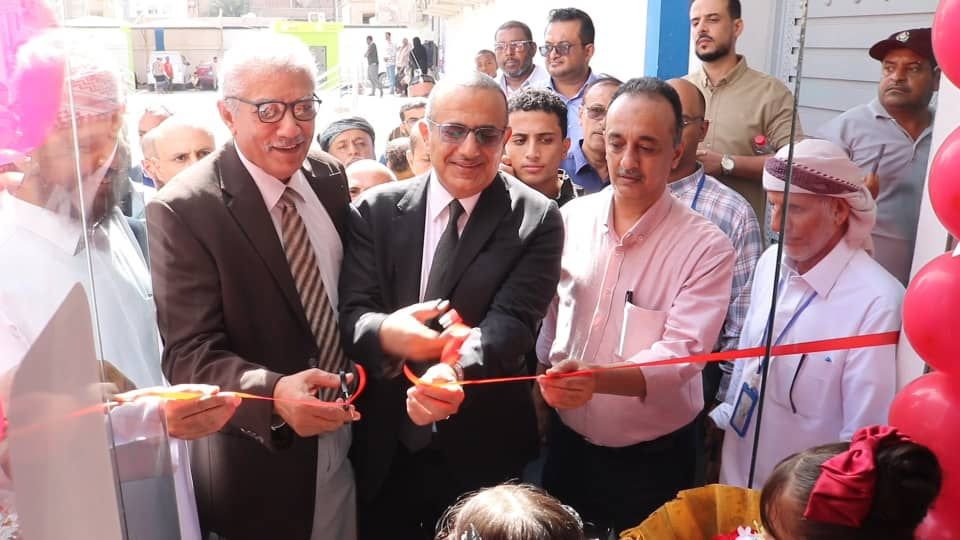
In this challenging context, advancements in specialized medical care are vital. The persistent lack of medical resources, alongside recurrent outbreaks of diseases such as cholera and measles, highlights the urgent need for improved healthcare facilities and services. Amid these immense challenges, charitable organizations and efforts have emerged as pivotal actors in providing relief and enhancing healthcare across Yemen. The recent inauguration of the Aden Charitable Heart Center represents a significant step in addressing the urgent needs of patients suffering from cardiac diseases.
The heart center, launched alongside the fifth cardiac surgery and interventional catheterization camp, signifies a collaborative approach involving government entities, private sectors, and charitable foundations. This facility aims not just to provide immediate medical care but also to contribute to the long-term sustainability of Yemen’s health system. As Yemen continues to grapple with the consequences of the ongoing war, the establishment of such institutions is crucial for both immediate care and future health sector recovery.
As the international community grapples with the complexity of Yemen’s situation, the role of localized solutions in healthcare cannot be overstated. Initiatives like the Aden Charitable Heart Center highlight the potential for localized responses to significantly impact community health, especially if they are expanded and supported effectively in the long run.
The newly inaugurated Aden Charitable Heart Center has been designed to offer specialized treatment for cardiac conditions, a pressing need within the population, given the current health crisis. The center includes 22 beds and is outfitted with state-of-the-art medical technology to facilitate the diagnosis and treatment of heart diseases. This represents a significant investment in Yemen’s healthcare infrastructure, which has been under severe strain due to years of conflict and neglect.
One of the key components of this initiative is the fifth cardiac surgery and interventional catheterization camp, which aims to conduct 500 procedures for diagnostic and therapeutic care. This campaign is geared towards expanding access to critical cardiac services for patients across Yemen, allowing those who may have previously been unable to receive such care to benefit from these specialized medical procedures. It seeks to cater to a fragmented healthcare system where services are limited and patients often have to travel long distances to reach facilities capable of administering care.
The heart center not only enhances the physical capacity of healthcare in Yemen but also aims to improve the quality of care offered to patients. Modern equipment and operational plans have been put in place to optimize the patient experience and treatment efficacy. As the center becomes operational, the expectation is that it will inspire further investments in similar healthcare initiatives across the country.
Furthermore, the Aden Charitable Heart Center serves as a pivotal model of cooperation within Yemen’s fragmented healthcare system. By uniting government agencies, charitable organizations, and private investors, this facility exemplifies a forward-thinking approach to healthcare in a country facing unprecedented challenges.
The establishment of the Aden Charitable Heart Center involved various stakeholders, reflecting a multi-sectoral approach to healthcare delivery in Yemen. At the forefront is the Ministry of Public Health and Population, represented by Minister Dr. Qassem Buhaibeh, who emphasized the importance of such initiatives in revitalizing the country’s healthcare services. The Ministry is committed to enhancing the availability of specialized medical centers and advancing the overall recovery of the health sector after years of underdevelopment due to the ongoing conflict.
The Gulf and Aden Charity Foundation has played a crucial role in the establishment and operation of the heart center. Chairman Fahd Al-Bari highlighted the organization’s mission to provide free medical services to vulnerable populations in Yemen, showcasing the foundation’s commitment to addressing public health challenges amidst the backdrop of crisis. Such charitable entities are vital in supplementing governmental efforts, especially when resources are severely limited.
Additionally, the involvement of medical professionals and experts underscores the importance of local knowledge and expertise in the successful operation of the facility. The Higher Medical Council has been directed to designate the center as a specialized training ground, aiming to enhance the skill set of Yemeni medical staff in the fields of cardiology and cardiac surgery. This initiative focuses on building local capacities, ensuring that advanced medical care can be delivered domestically, thus reducing reliance on foreign treatments.
This collaborative effort between government, charities, and local health professionals stands as a testament to what can be achieved through partnerships. Such a model is essential not only for the heart center but could pave the way for future healthcare initiatives across Yemen.
The establishment of the Aden Charitable Heart Center is expected to have a significant regional impact on healthcare provision in Yemen. With the center’s advanced capabilities, patients from various governorates will have increased access to essential cardiac care, which could ultimately lead to better health outcomes for communities that have suffered from health disparities exacerbated by the ongoing war. The ability to perform 500 cardiac procedures during the camp signifies a proactive approach to address acute health needs, showcasing how targeted initiatives can mobilize resources effectively.
Moreover, the heart center’s advanced technology and diagnostic facilities open avenues for collaboration with international medical organizations and potential investments in Yemen’s health sector. As the center gains recognition for its quality of care and innovation, it could attract partnerships that bring additional resources and expertise into the region. This not only enhances local healthcare services but also fosters an environment where knowledge-sharing can flourish, benefitting healthcare professionals and patients alike.
In a broader context, the heart center could serve as a model for other regions within Yemen, demonstrating how collaborative efforts can lead to rapid advancements in healthcare delivery. The center embodies a key aspect of national recovery, signaling that despite the challenges posed by the ongoing conflict, progress can be made through determined action and cooperative efforts.
Furthermore, as the center begins to demonstrate successful treatment outcomes, it may also have catalytic effects on other sectors, helping to instill a sense of hope within the communities it serves. In a nation where the healthcare system has faced extensive disruptions, the heart center stands as a beacon of potential recovery and resilience.
Analyzing the establishment of the Aden Charitable Heart Center within the context of Yemen’s ongoing crisis reveals critical insights into the challenges and opportunities faced by the healthcare sector. Firstly, the center highlights the pressing need for specialized medical facilities in a country where heart diseases and other chronic conditions often go untreated due to a lack of resources. By prioritizing cardiac care, the initiative addresses an urgent gap in the healthcare system, which has suffered from years of neglect.
Secondly, the successful launch of the center and the surgical camp indicates a shift towards more sustainable healthcare models that leverage local partnerships. This collaboration between government entities, charitable organizations, and local healthcare professionals marks a significant step in rebuilding trust within the healthcare system, fostering community engagement, and enhancing patient care. As such initiatives gain momentum, they can inspire similar projects that focus on other areas of medical care, ultimately striving to create a more comprehensive health infrastructure.
However, challenges remain. The operational sustainability of the heart center will depend heavily on continued funding and support from various stakeholders. The current humanitarian crisis poses risks, with ongoing security threats and economic instability potentially hindering the center’s future operations. Effective management and strategic planning will be essential to navigate these uncertainties.
Moreover, the commitment to training and localizing medical expertise is vital. Without investment in the human resources aspect of healthcare, even the state-of-the-art facilities may fall short of their potential. The focus on professional development indicates a positive trend toward creating a self-sufficient healthcare workforce, which is essential for the long-term viability of any health initiative in Yemen
In the wake of the inauguration of the Aden Charitable Heart Center, several critical actions can be anticipated to shape the future of healthcare in Yemen. First and foremost, the operational success of the center will need to be closely monitored. Evaluating the effectiveness and efficiency of the cardiac procedures performed during the surgical camp will provide valuable insights that can inform future healthcare initiatives across various specialties.
The partnership between the Ministry of Health and the Gulf and Aden Charity Foundation will likely deepen as both recognize the mutual benefits of collaborative healthcare delivery. As the heart center proves itself capable of delivering groundbreaking treatment and training opportunities, expectations may rise for similar initiatives targeting other urgent health issues in Yemen. This could lead to the emergence of a network of specialized facilities dedicated to treating a range of diseases that have been neglected during the conflict.
Additionally, further integration of training programs for medical professionals will be critical. By enhancing local expertise in high-demand areas, Yemen can work towards reducing its reliance on foreign medical treatment. As more individuals gain training in advanced procedures, the goal of providing comprehensive healthcare domestically may become more feasible and sustainable.
Moreover, sustained advocacy for healthcare funding, both locally and internationally, will be essential. The need for humanitarian support will likely remain high, and efforts to secure resources for ongoing healthcare projects must continue. Raising awareness regarding the importance of accessible and quality healthcare in Yemen will be crucial in rallying support from various sectors, including non-governmental organizations, international bodies, and private investors.
Emphasizing the importance of partnerships, continuous development, and community engagement will be key to fostering a more resilient health system in Yemen as the nation strives towards recovery and stability in a challenging post-conflict context.
About the Author