Yemen Participates in Indian Ocean Rim Association Senior Officials Meeting
 Yemen Herald News
Located along critical maritime routes, especially the Red Sea and the Bab al-Mandab Strait, Yemen’s strategic position elevates its significance in regional geopolitics. The country’s location makes it a focal point in the competition for influence between Iran and Saudi Arabia, heightening tensions that resonate across the Arabian Peninsula. As the ongoing war endures, Yemen’s crisis has attracted international attention, with various governments and organizations attempting to mediate and propose solutions.
Simultaneously, the Indian Ocean Rim Association (IORA) has emerged as a platform for regional collaboration among states bordering the Indian Ocean. The organization focuses on fostering economic growth and cultural exchange, positioning member states to address their shared challenges collectively. Yemen’s ongoing involvement in these regional initiatives demonstrates its desire to reestablish connections and play a constructive role despite the significant internal challenges it faces.
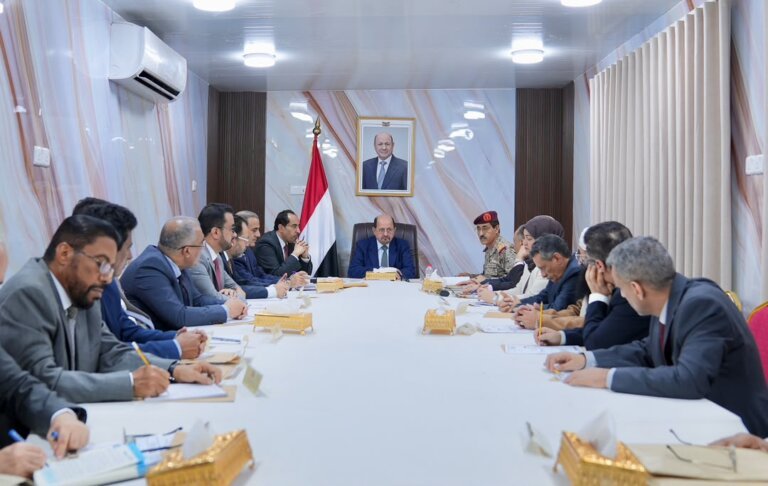
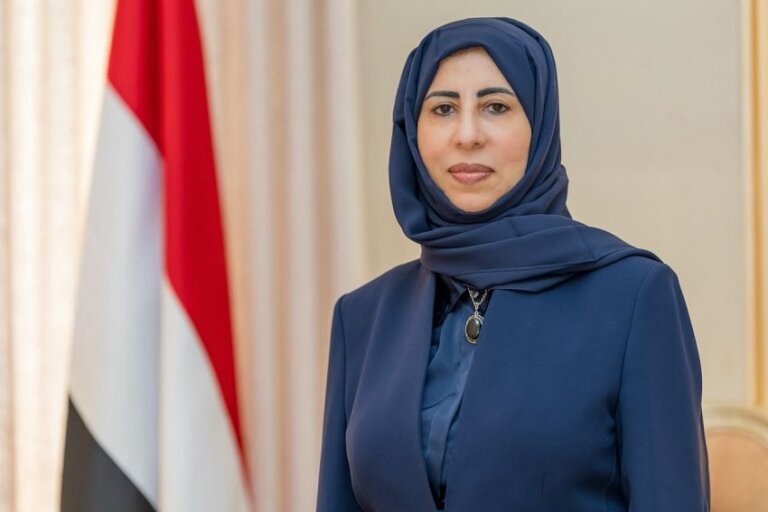
Recently, Yemen participated in the 28th Meeting of the Senior Officials’ Committee of the Indian Ocean Rim Association, which took place in New Delhi. The Yemeni delegation was led by Ousan Al-Awd, the Deputy Foreign Ministry Undersecretary for Financial and Administrative Affairs. This two-day event provided a platform for member states to review the progress of ongoing programs and initiatives while setting new priorities for regional cooperation.
The overarching theme for this meeting was “Innovation, Openness, Resilience and Adaptability.” This focus highlights the importance of not only economic advancement but also the necessity for member states to remain adaptable in the face of regional challenges. Key discussions revolved around enhancing economic development through collaborative projects that could foster stability and growth across participating nations.
During the two-day conference, officials addressed the mechanisms required to implement and monitor joint initiatives effectively. These discussions emphasized the importance of fostering a cooperative spirit among member states to cultivate shared interests and collaborative solutions. Yemen’s engagement reflects its resolve to actively participate in IORA’s framework and to seek out productive partnerships that could contribute positively to its development and recovery.
The primary stakeholders in this initiative are the member states of IORA, which include countries from Africa, the Middle East, and South Asia. Each state has a vested interest in the regional cooperation framework, as economic interdependence is crucial for sustainable development. Yemen’s presence underscores its commitment to these cooperative efforts, even as it navigates its ongoing internal strife.
The Yemeni government, now organized under the Presidential Leadership Council, is seeking avenues to engage with other nations for assistance and support. This diplomatic engagement is essential for Yemen to secure international support and resources needed for rebuilding efforts. The participation of Ousan Al-Awd at IORA signifies the government’s determination to reintegrate into regional discussions, seeking collaborations that could facilitate stability and economic recovery.
Additionally, regional powers, including Saudi Arabia and Iran, play a critical role in Yemen’s geopolitical context. Their involvement in the Yemeni civil war has ramifications beyond national borders, influencing the security and stability of the Indian Ocean region. The deliberations at IORA may also reflect underlying rivalries, as member states try to navigate these complexities while working toward common goals.
International organizations and humanitarian agencies are also key stakeholders, as Yemen’s crisis has attracted global attention. Their engagement is essential in addressing humanitarian needs and leveraging resources effectively. Ensuring that economic initiatives are aligned with humanitarian objectives can lead to long-term stability, which is a significant challenge that stakeholders must confront.
Yemen’s participation in the IORA meeting signifies an important step in fostering regional ties that are crucial for addressing shared challenges. By engaging with other Indian Ocean states, Yemen seeks to shift focus away from its internal conflicts and towards collective solutions. This could have far-reaching implications not only for Yemen but for the broader Indian Ocean region.
As nations address issues like trade, education, and infrastructure development, the cooperative framework may provide an avenue for economic empowerment across the region. Enhanced economic collaboration could mitigate the economic impacts of individual conflicts, promoting a sense of unity and mutual benefit among member states. In turn, successful collaborative initiatives could help alleviate the humanitarian crisis plaguing Yemen and result in more comprehensive regional stability.
Moreover, such engagement may influence geopolitical dynamics in the Indian Ocean. Established countries might bolster their influence by contributing to aid and development projects while simultaneously navigating the interests of regional powers, particularly in light of the ongoing tensions between Saudi Arabia and Iran. Yemen’s involvement could thus serve as a litmus test for the cooperation of larger powers in a region marked by competition and discord.
Ultimately, if IORA member states are able to implement effective collaborations and demonstrate tangible results, it could serve as a model for resolving other crises in the region. However, the complexities of the Yemeni conflict, including the myriad of stakeholders and evolving geopolitical stakes, pose significant challenges to this potential.
Yemen’s participation in the 28th Meeting of the Senior Officials’ Committee of IORA is emblematic of its strategic shift towards greater regional engagement. While this diplomatic foray comes amid an ongoing civil war, the Yemeni delegation’s presence underscores the importance of international collaboration in overcoming domestic challenges. Truly, an effective and sustained effort to rebuild Yemen’s economy and infrastructure hinges on meaningful partnerships with fellow IORA member states.
The meeting’s emphasis on innovation and resilience becomes increasingly relevant as Yemen navigates the dual challenges of civil strife and humanitarian catastrophe. Regional cooperation may provide Yemen with much-needed access to resources, technological advancements, and best practices, which are vital for economic recovery. Focusing on adaptability ensures that Yemen can pivot in response to shifting circumstances, an essential attribute for tackling the complexities of its ongoing conflict.
It is also critical to recognize the broader implications of regional cooperation in this context. As member states engage in discourse about collaborative frameworks, the underlying geopolitical tensions between Iran and Saudi Arabia loom large. The outcomes of Yemen’s initiatives within IORA may influence these dynamics, potentially creating openings for dialogue that transcend national conflicts.
However, the pathway to successful engagement remains fraught with challenges. Yemen’s internal divisions and the ongoing humanitarian crisis necessitate that deliberations and initiatives address not just economic concerns but also immediate humanitarian needs. Balancing these demands will prove essential for any meaningful long-term progress.
In the aftermath of the IORA meeting, Yemen’s government will likely pursue further discussions with its regional counterparts to solidify collaborative initiatives. The ongoing dialogues will be crucial in determining how Yemen can leverage its participation for tangible benefits that enhance its recovery efforts. Building upon mutual interests, Yemen might seek to secure commitments for joint projects that could create jobs and stimulate economic growth.
Efforts to bolster diplomatic ties and expand Yemen’s role within IORA may also pave the way for engaging with international organizations seeking to assist in the recovery process. Through active participation, Yemen could provide a platform for discussing humanitarian crises alongside developmental initiatives, promoting a comprehensive approach to rebuilding its social and economic fabric.
Moreover, in light of the regional geopolitical complexities that affect Yemen, ongoing dialogues will require careful navigation of external influences from regional players such as Saudi Arabia and Iran. Yemen’s ability to maintain neutrality and focus on cooperation that serves shared regional aspirations could lead to a more stable Indian Ocean region.
As Yemen continues on this path, its commitment to innovation, cooperation, and resilience may serve as crucial elements in redefining its role in the Indian Ocean region. The challenges ahead are formidable, but through strategic engagement, Yemen has the opportunity to reshape its future and contribute positively to a collaborative regional framework aimed at addressing collective concerns.
About the Author