After attending an Arab League meeting, Zindani has returned to Aden.
 Yemen Herald News
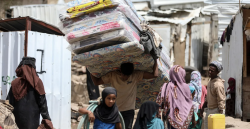
The ongoing civil war in Yemen, which has persisted since 2015, continues to shape the country’s complex political landscape. The conflict largely involves the internationally recognized government, supported by a Saudi-led coalition, and the Houthis, which control significant territory, including the capital, Sana’a. This war has led to one of the most severe humanitarian crises globally, with over 18 million people in need of assistance. Additionally, there are approximately 4.5 million internally displaced persons (IDPs) within Yemen, with recurring health emergencies exacerbating their plight, including cholera and measles outbreaks.
Yemen’s geopolitical significance is underscored by its strategic location along crucial maritime routes such as the Red Sea and the Bab al-Mandab Strait, a vital passage for global shipping and energy transportation. The country’s geographical position has brought it into the center of a broader regional power struggle involving Iran, which supports the Houthis movement, and various Arab states aligned against it. The dynamics of this conflict are further complicated by the interests and interventions of external powers, drawing Yemen into a wider regional contest for influence.
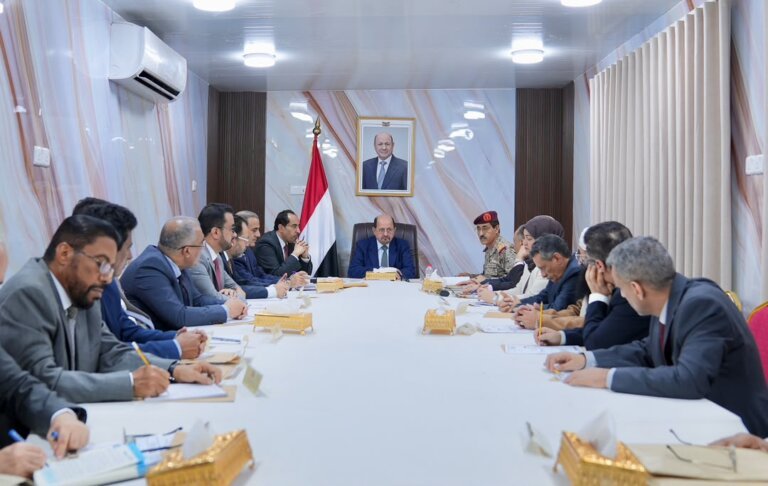
In the midst of this turmoil, the Presidential Leadership Council (PLC), formed in April 2022, has emerged as a central figure in the pursuit of governance and stability. This council represents various factions within the internationally recognized government, aiming to create a unified front to tackle the challenges posed by the conflict. Efforts by the PLC to stabilize the situation have been met with both support and skepticism, as the viability of the Yemeni government is continually challenged by domestic strife and external pressures.
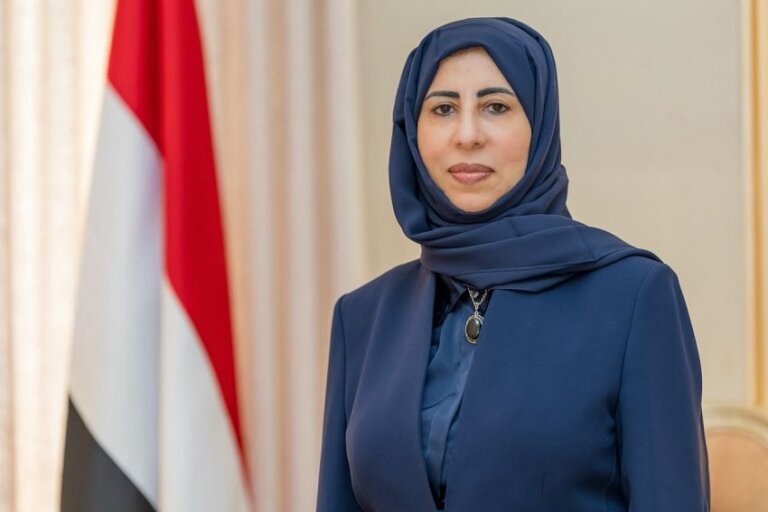
Prime Minister and Foreign Minister Dr. Shaya Zindani recently returned to Aden after participating in a significant meeting of Arab foreign ministers in Amman. This gathering, which was part of the Arab League’s 165th ordinary session, concentrated on addressing regional security issues and promoting greater cooperation among Arab nations. Ministerial discussions highlighted the importance of collective action to ensure stability in a region facing numerous external challenges.
During the meeting, a critical decision was made regarding leadership within the Arab League. Nabil Fahmy was appointed as Secretary-General for a five-year term set to commence on July 1. This decision reflects the Arab League’s ongoing efforts to strengthen its institutional framework and enhance regional diplomacy. Dr. Zindani emphasized the necessity for a unified Arab stance against external interferences that jeopardize the security of member states, as well as the protection of strategic maritime routes.
The Amman meeting addressed several significant developments in the region, including ongoing conflicts, security threats, and economic challenges that require cooperative solutions from member nations. By focusing on coordination, the Arab ministers reinforced their commitment to working together in the face of these pressing issues. The emphasis on collective security signifies the urgent need for collaboration among Arab nations to confront shared adversities.
Several key players are involved in the broader narrative of Arab cooperation and Yemen’s political landscape. The Arab League itself serves as an umbrella organization that brings together 22 Arab countries, all of which face unique challenges that require collaborative responses. Member states vary in their political stability, security concerns, and economic conditions, making it imperative that they work together in addressing common threats.
Dr. Shaya Zindani, as Yemen’s Prime Minister and Foreign Minister, represents the interests of the internationally recognized government, which is striving to maintain sovereignty and stability amidst ongoing conflict. His participation in the Arab League meetings underscores Yemen’s positioning within the broader Arab context and highlights the government’s role in pursuing regional alliances to bolster its status and resources.
Additionally, the Houthi movement, supported by Iran, plays a critical role as an opposing force within Yemen. The Houthis continue to contest the legitimacy of the internationally recognized government and have made significant territorial gains, which have led to increased tensions with neighboring countries, particularly Saudi Arabia. This rivalry complicates efforts for peace and stability as external support for various factions further entrenches the divisions within Yemen.
The involvement of external powers, including the United States, Russia, and European nations, cannot be overlooked. These countries interact with various parties in Yemen, often prioritizing their strategic interests in the region. Their influence adds another layer of complexity to the ongoing civil conflict, ideally necessitating comprehensive diplomacy to navigate the intricate web of allegiances and hostilities.
The repercussions of the meeting in Amman could have long-term effects on the stability of both Yemen and the broader Arab region. As Arab nations express commitment to a unified approach to security and strategic interests, this may lead to stronger collaborative frameworks that can effectively address regional crises. This is particularly vital for Yemen, where the support of its Arab neighbors could help the legitimate government regain control and provide aid to millions in need.
The appointment of Nabil Fahmy as the Secretary-General of the Arab League comes at a crucial time when numerous Arab nations face significant threats, both internal and external. Fahmy’s leadership could herald a new approach towards addressing the security challenges confronting the Arab world, fostering a more cohesive response among member states. Collective security initiatives may ultimately create a stronger front against external influences that complicate efforts of governance and humanitarian aid throughout the region.
Moreover, Yemen’s geographical importance in controlling maritime corridors cannot be understated. By promoting stability in Yemen, Arab states may enhance their control over the Red Sea and Bab al-Mandab routes, which are critical to international trade and energy supplies. A secure Yemen is likely to contribute not just to domestic peace but also to the economic stability of neighboring countries that rely on these maritime passages.
While the efforts made in Amman are promising, challenges remain. Conflicting interests among Arab states and ongoing hostilities within Yemen could pose significant hurdles to achieving substantive progress. The success of diplomatic efforts hinges on the ability of the involved parties to navigate these complexities and foster an environment conducive to peace.
The recent gathering of Arab foreign ministers in Amman underscores the urgent need for a consolidated approach to address the myriad of challenges facing the region. Dr. Zindani’s call for increased coordination among Arab countries reflects a growing recognition that bilateral and multilateral efforts are essential for tackling external interference and regional instability. The unity displayed at this meeting may serve as a foundation for more robust regional cooperation, although historical rivalries and political divisions persist as obstacles to progress.
The conflict in Yemen itself provides a stark example of how fragmented political dynamics can lead to prolonged instability. The deep-seated divisions between the Houthi movement and the internationally recognized government underline the challenges in forming a cohesive response to governance and reconciliation. The recognition of these complexities by Arab leaders may facilitate discussions towards a more nuanced understanding of Yemen’s situation and promote tailored solutions that reflect the unique circumstances on the ground.
Furthermore, the broader geopolitical landscape influences the outcomes of such meetings. The involvement of external powers in Yemen continues to mold the strategies and priorities of Arab states. Diplomatic dialogues among Arab nations must consider these international dimensions, recognizing that external interventions impact security and stability in the region. Collaborative efforts, therefore, need to account for not just internal dynamics but also the roles played by foreign actors, taking a comprehensive perspective on the situation.
Additionally, as humanitarian needs in Yemen escalated due to years of conflict, it has become imperative for regional cooperation to extend to humanitarian aid and reconstruction efforts. With millions facing starvation and outbreaks of preventable diseases, the Arab League’s ability to mobilize resources and support for Yemen’s recovery will be a key measure of its effectiveness as a regional body moving forward.
In the immediate aftermath of the foreign ministers’ meeting in Amman, the focus will likely shift towards implementing strategies discussed during these discussions. Arab leaders are expected to convene further to establish clear action plans with set objectives aimed at enhancing cooperation on security issues and addressing humanitarian crises in Yemen. The appointment of Nabil Fahmy to lead the Arab League also suggests that there could be new momentum in fostering dialogue and initiatives aimed at stabilizing the region.
Subsequent meetings and discussions will be pivotal in translating the momentum built in Amman into tangible outcomes. Engaging with both the Yemeni government and the Houthis could unveil potential negotiation paths that allow for diplomatic resolutions to ongoing tensions. However, achieving consensus among diverse parties remains a formidable challenge, and it will require persistent engagement and compromise.
As the global landscape continues to change, with shifting alliances and new foreign policies emerging, regional responses to Yemen’s situation will likely need to adapt. Ongoing instability and humanitarian crises call for sustained attention, and it is crucial for the Arab League and its member nations to develop flexible strategies that can respond effectively to evolving circumstances in Yemen and the surrounding regions.
Finally, the humanitarian impact of these strategic and political maneuvers will be continually scrutinized. The international community will watch closely to see if increased cooperation among Arab states will translate into better conditions for the people of Yemen, who have suffered immensely through years of conflict. A concerted effort to address humanitarian needs may not only improve the situation on the ground but also help build a framework for long-term stability and recovery in Yemen.
About the Author