Bilateral cooperation and partnership with the Chinese Chargé d’Affaires were discussed by INF
 Yemen Herald News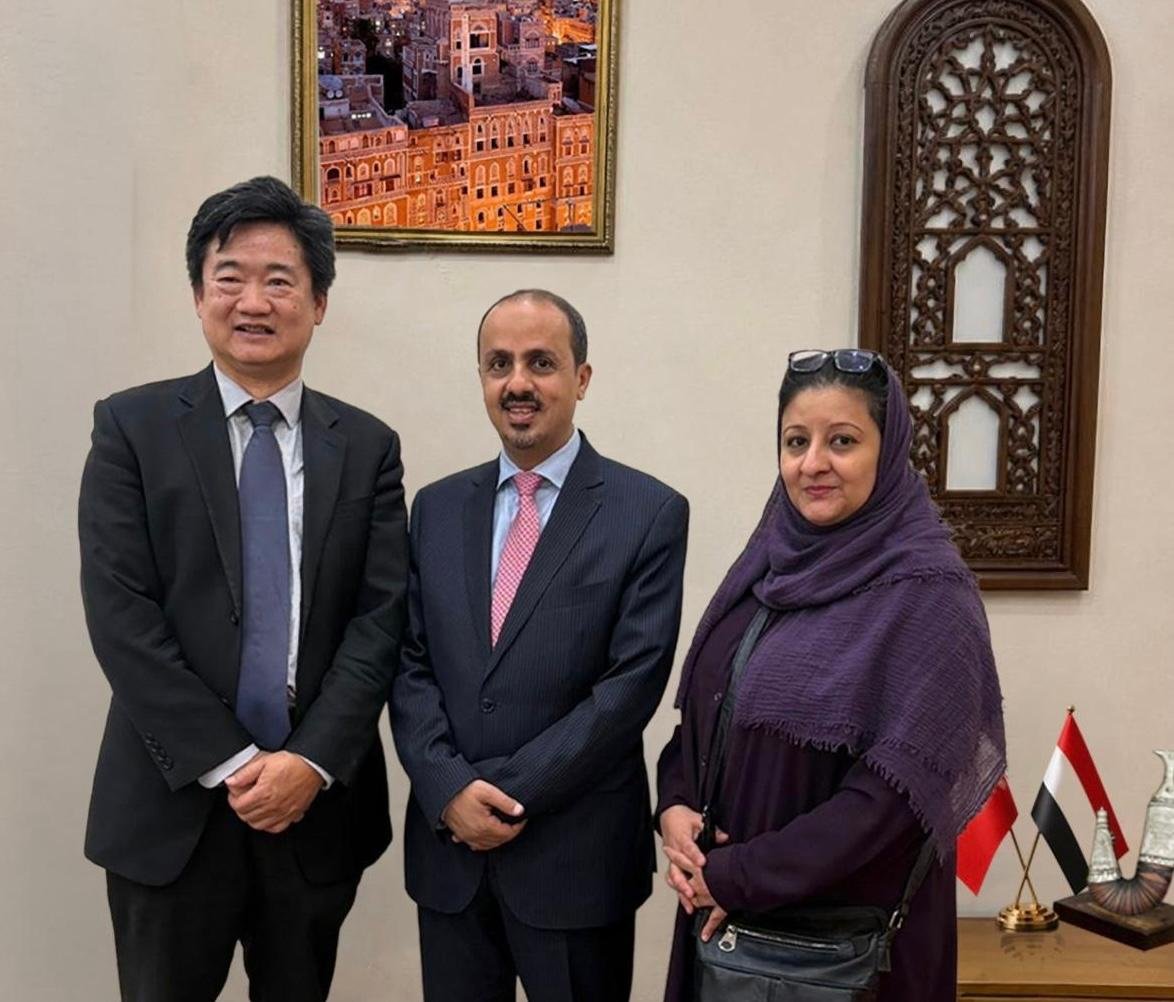
Within this complex landscape, the Presidential Leadership Council, formed in April 2022, serves to unify members of the Yemeni government and coordinate efforts to establish peace and stability in the region. The council’s establishment marked a significant step towards addressing internal divisions and fostering a more cohesive response to the ongoing challenges facing Yemen. Unfortunately, progress remains slow as the humanitarian crisis continues to deepen, with recurring outbreaks of diseases such as cholera and measles being frequently reported.
Geopolitically, Yemen plays a crucial role in maritime logistics, particularly due to its position near strategic chokepoints like the Red Sea and the Bab al-Mandab Strait. This strategic location has made the nation a focal point for international powers, as control over these waterways is essential for global trade and security. As such, foreign involvement, especially from regional players like Saudi Arabia and Iran, complicates Yemen’s quest for stability.
On a recent occasion, Yemen’s Minister of Information, Muammar al-Eryani, engaged in discussions with Shao Zheng, the Chargé d’Affaires of the Chinese Embassy in Yemen. They focused on enhancing bilateral relations and cooperative efforts between Yemen and China, two nations with longstanding ties that date back several decades. Al-Eryani emphasized the importance of a stable Yemen, not just for the nation itself but for global trade and maritime navigation as well.
During their meeting, the minister underscored the detrimental repercussions of attacks on international maritime routes, stating that such actions adversely affect not just Yemen but also have broader implications for international trade flows and global supply chains. This concern reflects a recognition of the interconnectedness of national security and economic stability, suggesting that issues in Yemen resonate well beyond its borders.
Al-Eryani also highlighted the government’s ongoing economic reform initiatives aimed at enhancing transparency and combating corruption, which are critical to restoring public trust and promoting sustainable development. He noted that these reforms are being enacted under the leadership of Prime Minister Dr. Shaya Zindani, alongside coordinated efforts with the Presidential Leadership Council, indicating a structured and unified approach to governance amidst ongoing conflict.
The Yemeni government has expressed its gratitude for the continued support received from Saudi Arabia, which is viewed as a significant pillar in helping Yemen maintain its economic and social infrastructure. Al-Eryani described Saudi assistance as reflective of the deep-rooted and historical relationships between the two nations, which continue to evolve in the face of adversity.
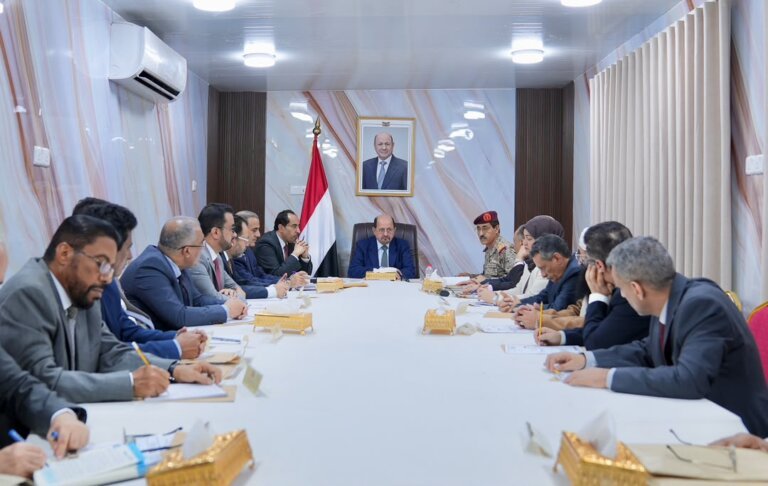
Within the context of Yemen’s ongoing conflict, several key stakeholders play critical roles in shaping the country’s future. First and foremost is the Yemeni government, represented by the Presidential Leadership Council, which aims to unify various factions of governance and push for policies that promote peace and stability. This leadership is responsible for developing strategies that address economic challenges, manage foreign relations, and engage in humanitarian efforts.
Against this backdrop, Saudi Arabia remains a significant external stakeholder, providing essential assistance to Yemen. The Kingdom has been deeply involved in the conflict, leading a military coalition aimed at restoring the Yemeni government while also supplying humanitarian and economic support. This assistance has been crucial in preventing Yemen from deteriorating further amidst the conflict and is often framed as a marker of the strong historical relations between the two nations.
China is evolving as an important player as well, particularly in light of recent discussions aimed at strengthening bilateral cooperation. The Chinese government has expressed its support for Yemen’s sovereignty and stability, indicating a willingness to engage with the Yemeni government on multiple fronts, including infrastructure development and economic initiatives. This partnership could play a strategic role in fostering long-term stability in Yemen, especially as it approaches key milestones in its foreign relations.
Additionally, the Houthi movement stands as a pivotal actor in Yemen’s conflict dynamics. Backed by Iran, the Houthis control significant portions of territory, especially in northern Yemen, making their position crucial in any discussions regarding peace and stability. Their involvement complicates negotiations, as any resolution will necessitate addressing their demands and concerns, highlighting the multifaceted nature of stakeholder interests in the region.
The implications of the Yemeni conflict extend far beyond its borders, with significant consequences for the broader region. Attacks on maritime navigation, especially in the Red Sea and Bab al-Mandab Strait, pose substantial risks to international shipping routes. Such disruptions can lead to increased shipping costs, higher fuel prices, and delays in global supply chains that could further strain economies worldwide, showcasing the interconnected nature of modern trade.
Saudi Arabia’s involvement in the conflict illustrates a strategic calculus aimed at countering Iranian influence in the region, particularly through its support of the Houthis. This geopolitical rivalry has led to a precarious balance of power, with both nations maneuvering to enhance their respective positions in Yemen and beyond. The ongoing conflict risks exacerbating tensions not only in the Arabian Peninsula but also in key areas of the Middle East.
Furthermore, the humanitarian crisis in Yemen has prompted international concern, with neighboring Gulf states and global powers called upon to contribute to alleviating the suffering of the Yemeni people. The potential for migration and refugee flows from Yemen, coupled with the tremendous healthcare needs amid outbreaks of diseases, has implications for regional security and stability, as countries grapple with the challenges posed by mass displacement.
China’s involvement in Yemen may also have wider regional ramifications. By positioning itself as a supportive partner in Yemen, Beijing could strengthen its presence in the Middle East and expand its influence as a mediator and cooperative partner. This shift might encourage other nations to reassess their strategies and partnerships in the region, leading to a transformation in geopolitical alignments.
The continued engagement between Yemen and China signals a pivotal moment in Yemen’s foreign relations and potentially a shift in the balance of support between major powers. As Yemen prepares to celebrate the 70th anniversary of diplomatic relations with China, both nations are looking to capitalize on this milestone to deepen their cooperative endeavors. This partnership could manifest in various forms, ranging from infrastructural investments to economic aid, fundamentally altering Yemen’s ability to respond to its ongoing crises.
Meanwhile, Yemen’s relationship with Saudi Arabia remains fundamental to its stability. The Minister of Information’s remarks on the supportive role of the Kingdom underscore the intertwined destinies shaped by historical ties and shared challenges. Saudi Arabia’s influence may be a double-edged sword, providing crucial support while also complicating Yemen’s quest for truly independent governance, particularly in the face of persistent conflicts and external pressures.
Furthermore, the ongoing economic reform efforts led by the Yemeni government under the Presidential Leadership Council represent a critical step towards fostering stability and rebuilding trust in governance. However, the success of these reforms hinges on overcoming deep-rooted corruption and fostering meaningful engagement with the local population, which has suffered immense trauma throughout the conflict. The government must demonstrate concrete progress in improving living conditions to reinforce its legitimacy and garner greater support from the populace.
As the dynamics of the conflict continue to unfold, it is clear that the challenges faced by Yemen are multifaceted. The interplay of local actors such as the Houthis, external influences from regional players, and the implications of international relations converge in shaping Yemen’s immediate future and broader regional stability.
Going forward, the trajectory of Yemen’s recovery will depend on several factors. The upcoming 70th anniversary of diplomatic relations with China may provide a platform for both nations to solidify their commitments to cooperation and tangible actions. Increased Chinese investments in infrastructure and economic development could play a pivotal role in rejuvenating Yemen’s economy, which remains battered by years of conflict.
On the other hand, the Yemeni government must maintain momentum in its reform initiatives to address corruption and galvanize public trust. Successfully navigating these reforms will not only strengthen the government’s legitimacy but also create an environment conducive to foreign investment and assistance from international partners.
Furthermore, the resolution of the ongoing conflict hinges significantly on the relationships between various Yemeni factions, including the Houthis. Initiatives to engage in peace negotiations could determine the potential for a ceasefire and ultimately a lasting resolution. However, achieving consensus among all stakeholders will be fraught with challenges, and any new agreements must be built on trust and genuine compromise.
Finally, the international community must continue to keep Yemen on its radar. The humanitarian crisis is dire, and sustained efforts to provide assistance and promote dialogue are crucial for alleviating the suffering of millions. The resulting international focus could help ameliorate tensions and create a conducive atmosphere for peace negotiations.
In conclusion, the upcoming months will be critical for Yemen as it navigates its complex challenges amid ongoing geopolitical shifts and humanitarian needs. The outcomes of diplomatic engagements, internal reforms, and external assistance will collectively shape the future of the nation.
About the Author