Humanitarian response and development transition discussed by a UN official with PM Zindani.
 Yemen Herald News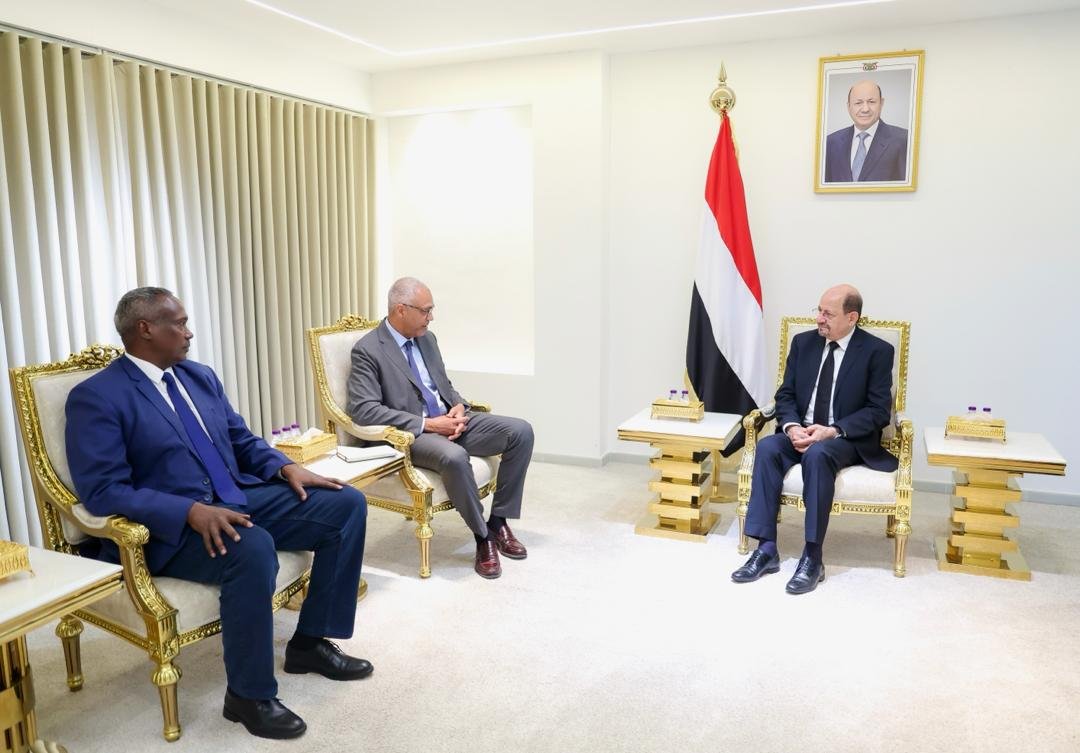
In a recent meeting, Prime Minister and Foreign Minister Dr. Shaya Zindani held discussions with Laurent Bukera, the Acting United Nations Resident Coordinator and Humanitarian Coordinator in Yemen. Their conversation focused on expanding cooperation between the Yemeni government and various UN agencies while evaluating the implementation of current humanitarian response strategies. They delved into mechanisms for moving from immediate humanitarian relief to sustainable development frameworks, recognizing the need for a comprehensive approach to aid.
During the meeting, both leaders acknowledged the need for a strong partnership to facilitate the work of international organizations and ensure that the intended beneficiaries receive the essential aid. There was a significant emphasis on the challenges posed by the Houthi militia, which has reportedly obstructed humanitarian efforts and detained UN personnel. This situation has hindered the effectiveness of aid distribution and raised concerns regarding the safety and capabilities of international staff currently working in Yemen.
Zindani reiterated the Yemeni government’s unwavering commitment to reinforcing its strategic partnership with the UN, aligning humanitarian efforts with national priorities and the needs of the civilian population. He stressed that advancing the government’s economic, administrative, and financial reform agenda requires additional support from the UN and the international community. This collaborative approach is essential for building institutional resilience and enhancing state capacity to serve the Yemeni populace better.
The primary stakeholders in this ongoing humanitarian landscape include the Yemeni government, represented by the Presidential Leadership Council and Prime Minister Zindani, along with various UN agencies and international organizations working on the ground. The government’s stabilizing role is crucial, especially as it seeks to maintain its legitimacy and effectiveness in Aden, the operational heart for humanitarian operations. The pressures of war and economic instability mean that the government must prioritize its partnership with international stakeholders to secure aid and development assistance.
The United Nations, particularly through its humanitarian programs, plays a vital role in coordinating relief efforts and addressing funding shortfalls. Agencies like the World Food Programme and UNICEF are pivotal in providing food, healthcare, and emergency assistance. Additionally, the UN has called for greater international support to ensure that humanitarian interventions align with Yemen’s broader economic recovery goals. This cooperation seeks to integrate short-term relief with long-term development strategies.
On the opposing side, the Houthi movement remains a significant actor, posing challenges to both aid distribution and the government’s legitimacy. Their actions, including the hindering of humanitarian operations and the detention of UN personnel, highlight the complexities of operating in a conflict zone. This dynamic complicates efforts from stakeholders to effectively respond to the humanitarian crisis and restore order.
The conflict in Yemen has broader regional implications, as it involves multiple stakeholders, including neighboring countries and international powers. The Saudi-led coalition’s intervention aimed to restore the Hadi government but has exacerbated the humanitarian crisis, raising concerns about the ongoing destabilization of the Arabian Peninsula. Moreover, the conflict is intertwined with Iran’s support for the Houthi movement, marking Yemen as a pivotal battleground in the larger geopolitical struggle between Saudi Arabia and Iran.
The Red Sea, including the strategically vital Bab al-Mandab strait, serves as a crucial maritime route connecting Europe and Asia. The ongoing conflict poses risks to shipping lanes and international trade. Any escalation in hostilities could disrupt these vital economic corridors, further drawing in regional powers and potentially altering shipping routes globally. This scenario makes the stability of Yemen a national security concern not just for its immediate neighbors but also for global trade partners.
Humanitarian responses to the crisis thus far have not only focused on immediate needs but also the necessity of fostering stability in the region. Initiatives to engage in dialogue and longer-term development projects are crucial, as they offer a path toward peace and reconstruction. The acknowledgment of the economic recovery’s importance underscores the need for a coordinated approach that accounts for regional dynamics, ensuring that interventions do not induce further conflict or instability.
The recent discussions between Prime Minister Zindani and Bunera reflect a crucial turning point in Yemen’s humanitarian and developmental strategies. By emphasizing the need to transition from emergency aid to sustainable development, both leaders recognize the importance of addressing not just the immediate needs of the population but also the structural challenges Yemen faces. The international community’s support in facilitating these efforts is essential, given the government’s ambition to implement comprehensive reforms that can restore stability and foster economic growth.
However, the persistent obstruction from the Houthis complicates these efforts. Their actions not only impede humanitarian access but also contribute to an environment of mistrust, making collaboration between the Yemeni government and international organizations more challenging. Addressing these violations and ensuring safe passage for aid personnel are necessary steps that will allow for more effective humanitarian intervention.
Additionally, the capacity of the Yemeni government to undertake significant reforms hinges on international support. There is a delicate balance to be struck between immediate humanitarian relief and the establishment of systems capable of sustaining development in the long run. Institutions must be strengthened, and capacity-building initiatives must be prioritized, all while ensuring that aid is distributed equitably to those in need.
As the humanitarian situation in Yemen continues to evolve, the immediate focus will likely remain on addressing the pressing needs of the population, particularly in light of the government’s reform agenda. International partners will probably intensify their efforts to secure funding and resources to support both emergency response and longer-term development initiatives. This approach is aimed at shifting the paradigm from short-term relief efforts to building resilience and capacity within local institutions.
Moving forward, the Yemeni government and the United Nations will need to strengthen their partnership to ensure that humanitarian efforts align with recovery priorities. This collaboration will be vital in addressing funding gaps and ensuring that aid reaches those most affected by the conflict. Continuous dialogue will be essential to navigate the shifting dynamics on the ground, especially with the ongoing threat posed by the Houthi militia.
Ultimately, the path to stability and recovery in Yemen is intricate and will require sustained commitment from both the Yemeni government and the international community. As the challenges mount, it will be crucial for all stakeholders involved to not only respond to immediate crises but also to invest in long-lasting solutions that prioritize the welfare of the Yemeni people and forge a pathway toward peace.
About the Author