First impressions of the World Cup: Guardian writers on Ronaldo-mania and stadiums.
 Yemen Herald News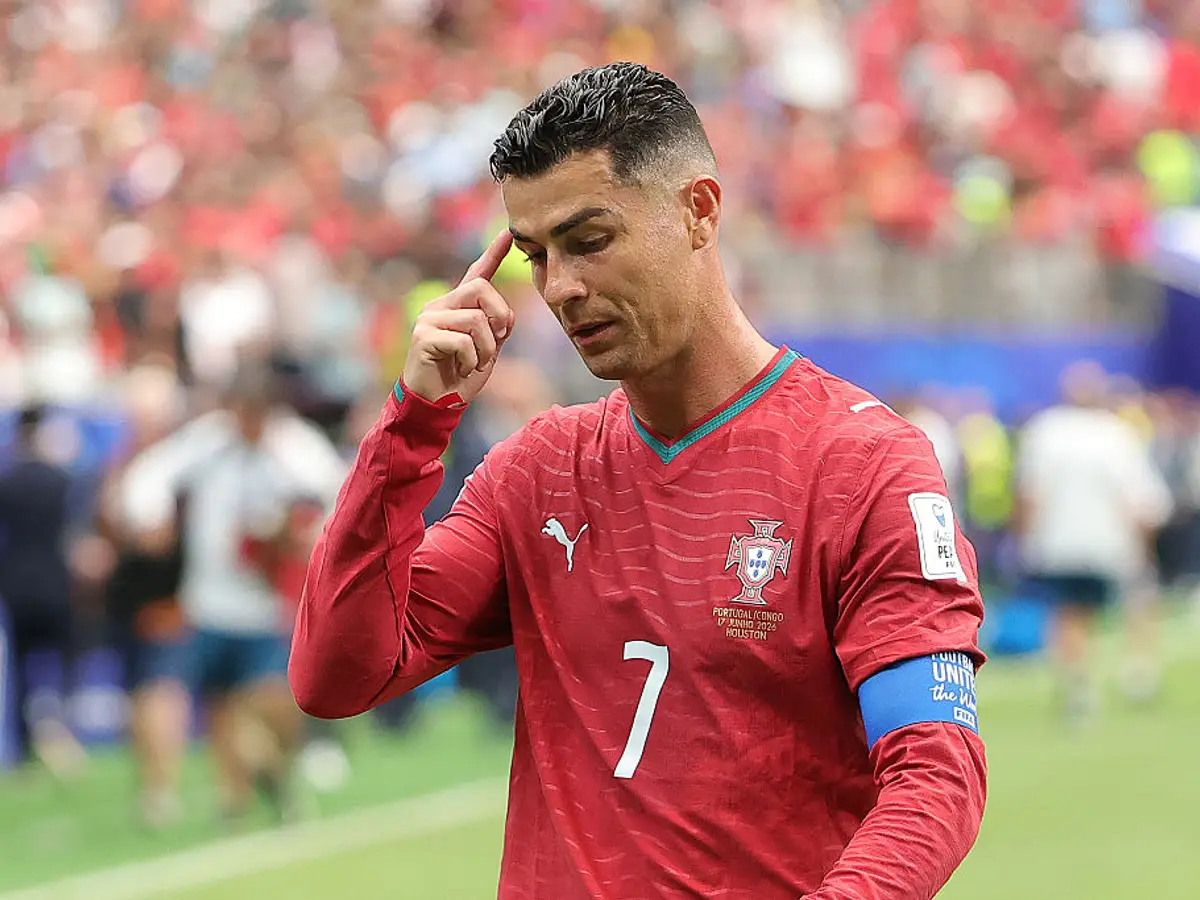
The opening stages of the 2026 FIFA World Cup have created a vibrant tapestry of excitement and drama across the United States. As the tournament kicked off, the nation transitioned from a period dominated by other sports to a newfound appreciation for football. Major cities, which have historically prioritized American sports, are now buzzing with discussions over matches, players, and strategies, marking a significant cultural shift. The contrast between the bustling streets of New York following the Knicks’ recent NBA victory and the humble charm of Kansas City encapsulates the diverse experience of this World Cup.
Matchday one set the tone for thrilling encounters, as teams from around the globe showcased their talents in front of passionate crowds. The results have been electrifying, with memorable games already marking the early rounds. The fervor for football has spilled into local bars and communities, where conversations about the tournament have become common, creating an atmosphere that many supporters have longed for. The opening week, filled with unexpected results and standout performances, has left fans eager for more action.
Similarly, while some regions have embraced this football frenzy, others remain largely indifferent. Reports from various locales reveal stark contrasts in engagement levels, with some areas teeming with enthusiastic supporters, while others appear oblivious to the tournament’s significance. This patchwork of interest reflects the complexities of American culture and the challenge of integrating football into a sports landscape traditionally dominated by other games. As the tournament progresses, it will be interesting to see how these dynamics evolve.
The 2026 World Cup is notable for its expanded format, featuring 48 teams competing across multiple cities in the U.S., Canada, and Mexico. This marks a significant increase from the previous 32-team format, which has sparked discussions about the implications for the tournament’s competitive integrity. The sheer scale of the event has overwhelmed some regions while igniting enthusiasm in others, showcasing the diverse football culture present across North America.
Stadiums across the country have been lauded for their state-of-the-art designs, with venues like SoFi Stadium in Los Angeles garnering particular acclaim. This massive facility, with its innovative architecture and impressive amenities, stands as a testament to the U.S.’s capability to host world-class sporting events. Yet, despite the grandeur of the venues, the organizational challenges of managing such a large-scale tournament have also come to light, with logistical issues surfacing that highlight the complexities of hosting.
In terms of gameplay, the tournament has already produced several surprises, with lesser-known teams holding their own against more established football nations. The rising standard of international football is evident, as teams previously considered underdogs demonstrate impressive tactical discipline and physical preparation. This shift indicates that no match can be taken for granted, adding an extra layer of intrigue to the tournament.
As the World Cup progresses, star players have begun to emerge, capturing the spotlight with their performances. Established icons like Lionel Messi and emerging talents such as Kylian Mbappe and Erling Haaland are showcasing their skills on the grand stage, contributing to the tournament’s allure. The combination of seasoned athletes and new talent illustrates the depth of quality within the competition and the potential for thrilling encounters.
The teams participating in this World Cup each bring their unique stories and histories, enriching the narrative of the tournament. Traditional powerhouses like Brazil and Germany face challenges from rising nations that have made significant strides in recent years. The dynamic among teams reflects a shift in the global football landscape, where established hierarchies are being tested by lower-ranked nations that are increasingly able to compete at the highest levels.
Additionally, the presence of passionate fan bases from various countries adds to the tournament’s atmosphere. For instance, the turnout of Ecuadorian fans in Philadelphia demonstrated the deep connections that supporters have with their national teams. This engagement underscores the importance of national pride and community spirit in the context of the World Cup, as fans rally behind their teams in a shared celebration of football.
The tactical landscape of this World Cup has been fascinating, with teams employing diverse strategies to gain an advantage. The style of play has varied widely, from aggressive pressing to more conservative approaches focused on counter-attacking football. This blend of tactics has resulted in a captivating array of matches, where teams adapt to their opponents and the unique conditions of each venue.
As the tournament unfolds, the implications of the expanded format also come into play. The ability for more teams to progress to the knockout stages alters the competitive dynamics, as teams may adopt different strategies knowing that a single misstep does not necessarily eliminate them. This could lead to a more open style of play, with teams taking calculated risks to secure points in the group stage.
Moreover, the physical demands of the tournament have become apparent as players navigate intense match schedules in various climatic conditions. Teams with depth in their squads are likely to fare better as fatigue sets in, highlighting the importance of effective rotation and squad management. As the tournament progresses into the knockout rounds, the impact of these tactical decisions will become increasingly critical.
The early stages of the World Cup have revealed a complex tapestry of emotions, cultures, and footballing prowess. The stark contrasts between regions, from the fervent enthusiasm in some cities to the indifference in others, illustrate the challenges of promoting football in a nation where other sports dominate. This duality raises questions about the future of football in the U.S. and the potential for greater integration into the national sports culture.
The gameplay itself has been both exhilarating and unpredictable, with the standard of football rising across the board. The emergence of unexpected results emphasizes the level of preparation and talent present in lower-ranked teams, challenging the traditional narratives surrounding international football. As the tournament progresses, fans and analysts alike will be watching closely to see if this trend continues, potentially reshaping perceptions of the global game.
Furthermore, the organizational aspects of hosting such a vast event have come under scrutiny. While many stadiums are impressive, logistical hurdles have surfaced, highlighting the complexities of managing a multi-city tournament. The U.S. has the infrastructure to support an event of this magnitude, but the need for seamless coordination remains paramount for ensuring a successful World Cup experience for players and fans alike.
Looking ahead, the remainder of the World Cup promises to deliver even more excitement and drama. As teams vie for a place in the knockout rounds, the stakes will rise, leading to intensified competition and potentially shocking outcomes. Analysts will be keenly observing how teams adjust their strategies as they approach the critical final matches of the group stage.
Moreover, the role of star players will become increasingly pivotal as the tournament progresses. Their ability to influence games and inspire their teammates could prove decisive in the high-pressure environment of knockout football. Fans will be eager to see how these players rise to the occasion, further enhancing the spectacle of the World Cup.
As the tournament continues, the cultural impact of football in the U.S. will be a focal point. The growing interest in the sport may lead to lasting changes in how football is perceived and celebrated across the nation. With each passing match, the narrative of the World Cup unfolds, highlighting the beauty of the game and its power to unite diverse communities around a shared passion. The next few weeks will undoubtedly shape the future of football in America and beyond.
About the Author