Yemen and Iraq Discuss Judicial Cooperation and Transfer of Yemeni Prisoners in Baghdad Talks
 Yemen Herald News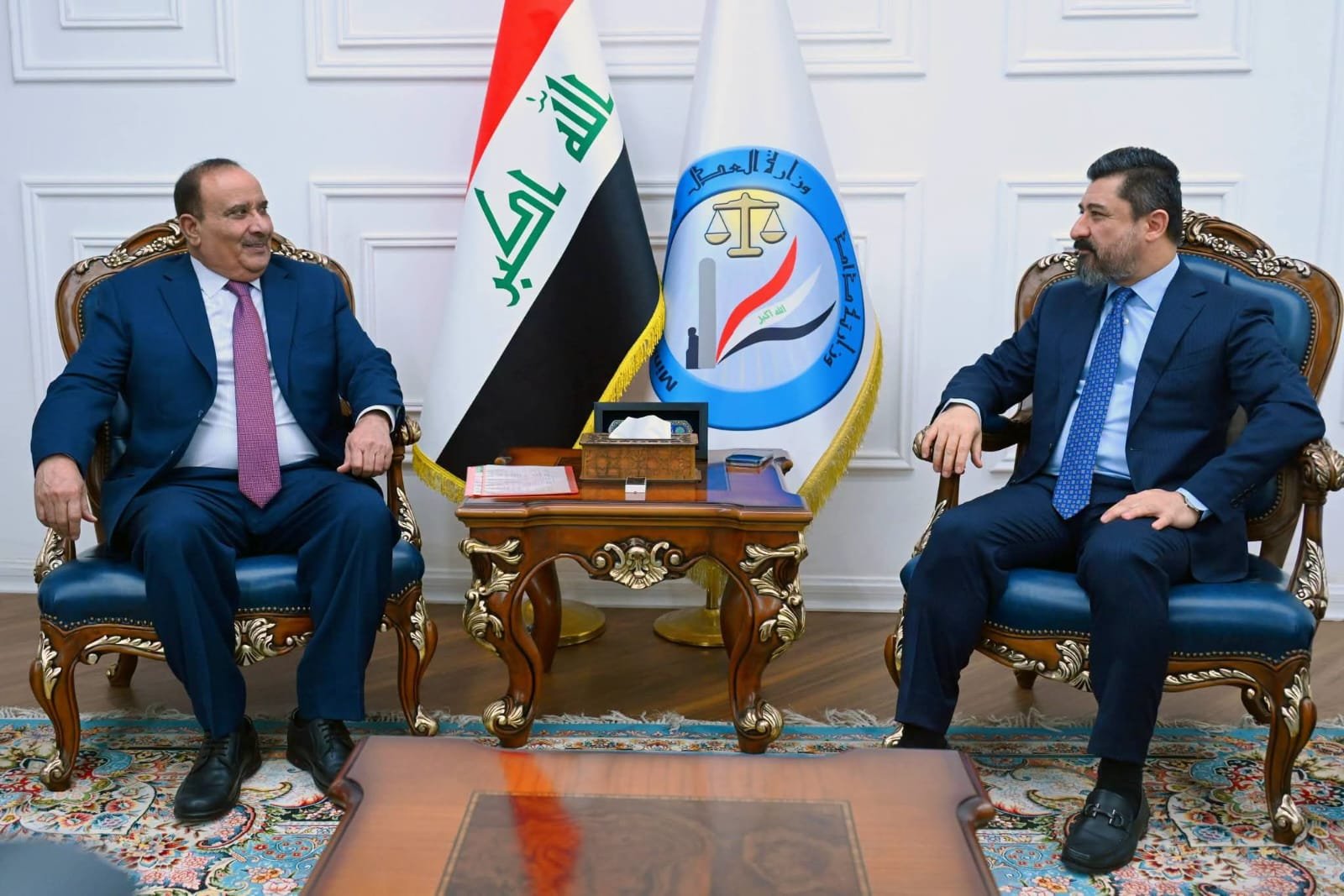
Yemen’s Ambassador to Iraq, al-Khader Ahmed Marmash, has met Iraqi Justice Minister Dr. Khaled Shawani in Baghdad to discuss strengthening judicial and legal cooperation between the two countries. The talks centred on activating shared legal files and building closer coordination between the Yemeni and Iraqi justice ministries, part of a broader effort to deepen ties between the two Arab states at a time of continuing upheaval across the region.
A central item on the agenda was the situation of Yemeni prisoners held in Iraqi facilities. The two sides examined the possibility of transferring convicted Yemenis back to their home country, a process that would proceed in line with existing agreements and the legal frameworks of both states. Officials framed the exchange of convicts as both a legal and a humanitarian matter, one that speaks to the welfare of Yemeni citizens abroad against the backdrop of the crisis at home.
According to accounts of the meeting, Shawani affirmed that Iraq’s Justice Ministry was ready to offer support and to coordinate with its Yemeni counterpart, including through the exchange of expertise aimed at improving institutional performance in the courts. Marmash, for his part, praised the ministry’s work in developing Iraq’s judicial departments and expressed Yemen’s readiness to cooperate across legal and judicial fields. The exchange suggested a practical, technical dimension to the relationship, extending beyond diplomatic courtesies.
The engagement takes on added significance against the scale of Yemen’s humanitarian emergency. Years of war have left an estimated 18 million people in need of assistance and millions displaced from their homes, straining the country’s institutions and its capacity to protect citizens both inside and outside its borders. In that context, arrangements that allow Yemeni nationals imprisoned abroad to serve their sentences closer to home carry a weight beyond the strictly legal.
Prisoner-transfer arrangements of this kind are a common feature of bilateral relations, allowing convicted foreign nationals to complete their sentences in their own country, closer to family and in a familiar language and legal environment. For a government stretched by war, ensuring that its citizens detained overseas are not forgotten is also a question of consular responsibility and national dignity. By raising the issue directly with Iraq’s justice minister, the Yemeni embassy signalled that the welfare of its nationals abroad remains a priority even as the state grapples with overwhelming demands at home.
Regional politics form an unavoidable backdrop to any such cooperation. Yemen’s war has been shaped in part by outside involvement, with the Houthi movement continuing to receive backing from Iran, while a Saudi-led coalition has supported the internationally recognised government. Iraq, which maintains its own complex relationships with regional powers, has sought to position itself as a bridge between rival camps. Judicial cooperation offers a relatively low-friction avenue through which Baghdad and the Yemeni government can build ties without wading directly into the region’s sharper disputes.
The humanitarian situation in Yemen lends further urgency to the dialogue. The country has endured repeated waves of waterborne and preventable disease, including one of the largest cholera outbreaks in modern history and a resurgence of measles as vaccination coverage faltered during the conflict. Cooperation focused on shared humanitarian goals, officials suggested, could set a precedent for future collaboration and help both governments address needs that spill across borders.
While the immediate focus was on legal matters, both sides indicated that the relationship could widen into other areas over time. Establishing dependable legal frameworks can smooth commercial dealings, and officials pointed to trade, investment and economic development as fields where closer ties might eventually bear fruit. Resolving the status of Yemeni prisoners, in this reading, could serve as an early step toward a more substantial partnership that delivers tangible benefits to citizens of both countries.
For Yemen, cultivating relationships with fellow Arab states is part of a wider diplomatic strategy to reinforce the legitimacy of its internationally recognised government and to secure support wherever it can be found. Each such meeting adds to a network of contacts that Sanaa’s diplomats hope will translate into political backing and practical assistance. Iraq, with its own experience of conflict, reconstruction and the challenge of rebuilding state institutions, is in some respects a natural interlocutor.
Analysts are likely to view the Baghdad talks as a modest but meaningful step, the kind of incremental engagement that rarely makes headlines yet gradually thickens the ties between states. The intertwining interests of major regional players, among them Iran and Saudi Arabia, will continue to shape the environment in which such cooperation unfolds, and both governments will need to weigh those dynamics as they proceed. Keeping the focus on concrete issues such as prisoner transfers offers a way to make progress without becoming entangled in wider rivalries.
Ultimately, the discussions between Marmash and Shawani laid groundwork that could yield both diplomatic and humanitarian dividends. By prioritising judicial cooperation and the welfare of prisoners, Yemen and Iraq signalled a willingness to turn cordial relations into working arrangements. Whether that intent produces lasting results will depend on follow-through and on the broader trajectory of a region still contending with conflict, but the meeting marked a step toward closer collaboration between the two states.
About the Author